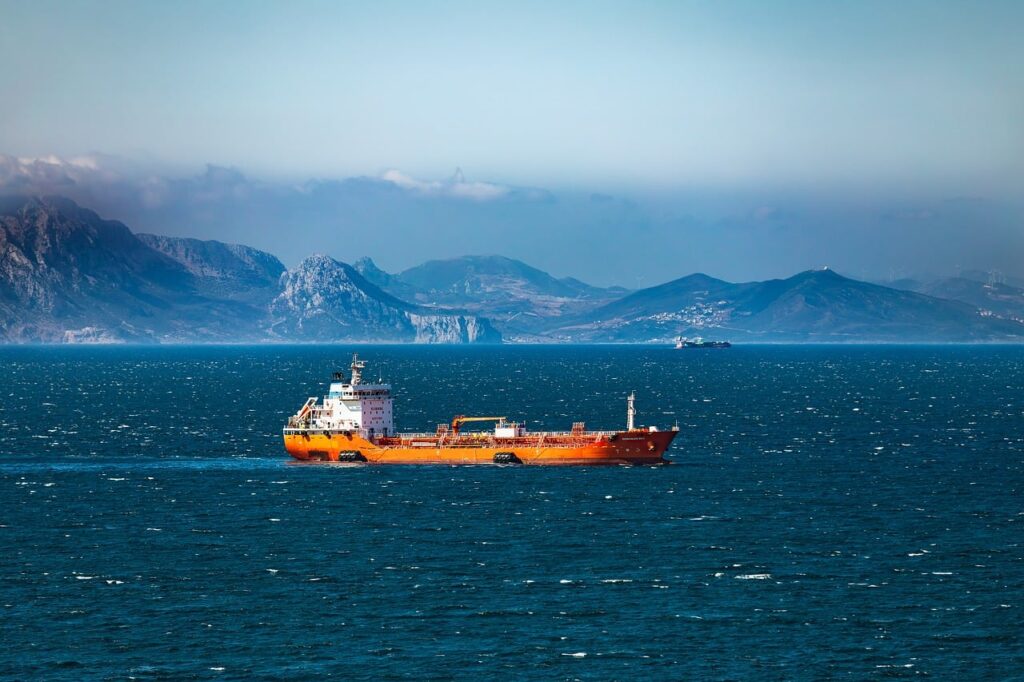

India has issued a stern condemnation of the escalating attacks on commercial vessels near the strategic Strait of Hormuz, labeling the situation “deeply concerning” during a high-level session at the United Nations Security Council (UNSC). Speaking at an open debate focused on the volatile situation in the Middle East, India’s Permanent Representative to the UN, Ambassador Parvathaneni Harish, emphasized the urgent need for a return to diplomatic channels.
The Ambassador noted that the recent surge in maritime hostilities follows a brief period of relative calm in the region’s waters. This resurgence of violence poses a significant threat to international maritime security and the stability of global supply chains. India urged all parties to exercise maximum restraint and avoid actions that could lead to a broader regional conflagration.
Strategic Significance of the Strait of Hormuz
The Strait of Hormuz serves as one of the world’s most vital maritime chokepoints, through which approximately one-fifth of the world’s total oil consumption passes daily. Located between Oman and Iran, it connects the Persian Gulf with the Gulf of Oman and the Arabian Sea, making it a critical artery for the global economy.
Any disruption in this narrow waterway has immediate and far-reaching consequences for global energy prices and economic stability. According to official reports, the region has seen a series of drone and missile attacks targeting merchant ships over the past several months, many of which have been linked to broader regional conflicts. The shift from a brief lull to renewed aggression has alarmed international observers and maritime authorities alike.
India, as a major global economy and a primary consumer of energy from the Middle East, maintains a high stake in ensuring the freedom of navigation and the safety of commercial sea lanes. The Indian Navy has previously deployed vessels in the region to provide security to Indian-flagged ships under specialized maritime operations, underscoring New Delhi’s commitment to protecting its interests.
Escalation Following a Brief Lull
The recent remarks by Ambassador Harish point to a worrying trend where diplomatic efforts appear to be losing ground to military escalation. After a short period where attacks seemed to subside, the intensity and frequency of incidents have reportedly increased, drawing international ire and complicating humanitarian efforts.
Official data shows that these attacks often involve sophisticated weaponry, including unmanned aerial vehicles (UAVs) and anti-ship missiles. These actions not only endanger the lives of seafarers but also risk catastrophic environmental damage in the event of a tanker breach. The ambassador’s statement at the UNSC highlights that these incidents are not isolated but part of a larger, more complex security challenge.
During the UNSC debate, India reiterated that the path forward must be paved with dialogue rather than confrontation. The Ambassador urged all involved parties to prioritize the safety of innocent civilian crews who often find themselves caught in the middle of geopolitical disputes. The call for a return to diplomacy is seen as an effort to prevent the maritime domain from becoming a permanent battlefield.
Impact on Global Trade and the Indian Economy
The maritime industry is currently grappling with rising insurance premiums and increased operational costs due to the necessity of rerouting vessels or implementing enhanced security measures. For India, these developments are particularly impactful given the large number of Indian nationals serving in the global merchant navy. The safety and security of these seafarers remain a top priority for the government in New Delhi.
Industry analysts suggest that prolonged instability in the Strait of Hormuz could lead to a significant spike in freight rates and fuel surcharges. This, in turn, contributes to inflationary pressures on essential commodities, affecting consumers worldwide. The interconnected nature of modern trade means that a conflict in the Middle East waters can lead to price hikes on grocery shelves thousands of miles away.
Furthermore, the risk of miscalculation in such a high-traffic area is immense. According to reports, the Indian government is closely monitoring the situation to ensure that its energy security is not compromised. The diplomatic intervention at the UN serves as a proactive measure to protect both economic interests and human lives.
What to Watch Next
The international community will be closely watching for any signs of a coordinated maritime protection task force being expanded or modified in response to these threats. The role of the UNSC in mediating these tensions will also be under scrutiny as member states seek a consensus on how to deter future attacks without triggering a larger war.
Market observers are monitoring oil price fluctuations, which often serve as a barometer for the perceived risk in the Strait of Hormuz. Any further escalation is likely to trigger immediate reactions in the global energy markets, potentially leading to increased volatility. The behavior of regional actors in the coming weeks will determine if the “brief lull” can be restored.
Additionally, the diplomatic maneuvers of major powers in the region will be crucial. Whether the call for dialogue issued by India and other nations is heeded depends heavily on the willingness of regional actors to engage in de-escalatory measures. For now, the world remains on high alert as the situation in the Middle East continues to evolve rapidly.
Disclaimer: This article is published for general news and informational purposes only. While every effort has been made to ensure accuracy, readers are advised to verify important information from official sources. The publisher shall not be responsible for any loss or inconvenience arising from reliance on the information published.