
Rhode Island Governor Dan McKee is facing a critical political crossroads as he enters the final month of a high-stakes primary campaign. Recent polling indicates the incumbent trails his challenger, Helena Foulkes, by as much as 20 points, placing him at risk of becoming the first sitting U.S. governor to lose a primary in eight years.
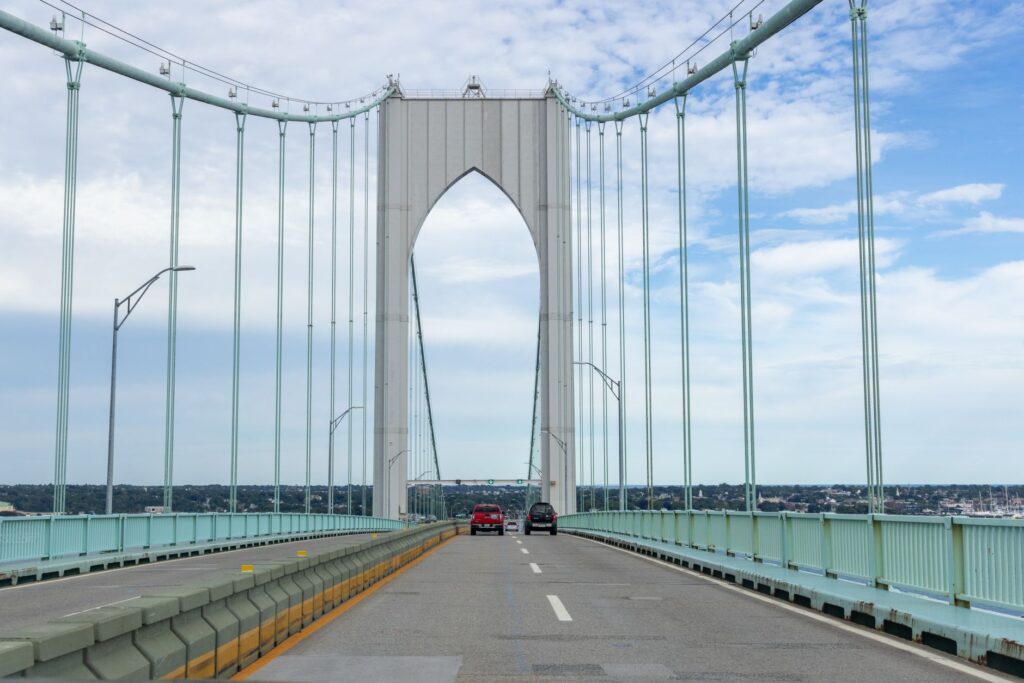
The race centers on the ongoing partial closure of the Washington Bridge, a vital transit artery connecting Providence and East Providence. Since emergency safety concerns forced a shutdown in late 2023, the resulting traffic gridlock has become a potent symbol of voter frustration with the state government.
While the contest is a rematch of the 2022 primary, the political climate has shifted significantly. Voters in the nation’s smallest state are expressing deep dissatisfaction with the cost of living, housing affordability, and infrastructure management.
The Bridge as a Political Flashpoint
The Washington Bridge crisis has transcended local infrastructure concerns to become the defining issue of the gubernatorial race. Signs posted near the construction site thanking drivers for their patience have reportedly backfired, fueling resentment among commuters facing daily delays.
According to reports, Foulkes has successfully tapped into this anger, framing the bridge’s failure as an indictment of the current administration’s competence. She has criticized the pace of the rebuilding efforts and questioned the leadership within the state Department of Transportation.
Governor McKee has defended his record, asserting that he prioritized public safety by closing the bridge after previous administrations ignored long-standing maintenance issues. He maintains that his team is working urgently to restore full service while ensuring the structural integrity of the span.
Economic Pressures and Policy Proposals
Beyond infrastructure, the candidates are clashing over Rhode Island’s economic future. Residents are currently navigating some of the highest electricity rates in the United States and a housing market that remains largely inaccessible to many working-class families.
Foulkes, a former executive at CVS, has proposed a millionaires tax to fund the creation of 20,000 new housing units. She argues that the state needs a sense of urgency and corporate-style efficiency to break the current status quo.
McKee, meanwhile, highlights his efforts to expand SNAP benefits, invest in offshore wind energy, and improve the state’s educational and hospital systems. He frames his platform as a populist effort to protect working-class residents from the influence of the corporate elite.
A Fractured Labor Base
Governor McKee’s traditional base of support in organized labor is showing signs of strain. While he has secured endorsements from teachers, firefighters, and building trades unions, other major groups have distanced themselves from his campaign.
The Rhode Island SEIU State Council has thrown its support behind Foulkes, a move that surprised many political observers. Furthermore, the state AFL-CIO and the state Democratic Party have opted not to endorse either candidate, signaling a deep divide within the party’s core constituencies.
Local leadership is also split, with several Democratic city committees and municipal leaders, including Cumberland Mayor Jeff Mutter, backing Foulkes. These defections suggest that the usual advantages of incumbency may be neutralized by the prevailing anti-establishment sentiment.
Aggressive Campaign Tactics
As the primary date nears, the rhetoric between the two camps has sharpened. McKee has launched negative advertisements targeting Foulkes’ tenure at CVS, accusing her of prioritizing profits over public health and failing to address the burgeoning opioid crisis during her executive career.
Foulkes has dismissed these attacks as desperate attempts to distract from the governor’s own record. Her campaign maintains a significant financial advantage, reporting five times more cash on hand than the McKee campaign as of late July.
The GOP primary is also reflecting this outsider energy, with Elaine Pelino leading the Republican field. The broader political landscape in Rhode Island suggests a wider trend of voters seeking alternatives to established political figures across multiple offices, including the lieutenant governor’s seat and the Providence mayoralty.
What to Watch Next
The coming weeks will determine if McKee can mobilize his remaining union allies to close the polling gap. His campaign is banking on a ground game fueled by labor volunteers to offset Foulkes’ media dominance and financial lead.
Observers will be watching for any further developments regarding the Washington Bridge repairs, as any setbacks could further erode the governor’s standing. Conversely, a clear timeline for the bridge’s reopening could provide McKee with the momentum needed for a late-stage comeback.
Ultimately, the primary will serve as a litmus test for whether a sitting governor can survive a crisis of infrastructure in an era of heightened voter volatility. The results will likely resonate beyond Rhode Island as a signal of the strength of anti-incumbent sentiment heading into the general election cycle.
Disclaimer: This article is published for general news and informational purposes only. While every effort has been made to ensure accuracy, readers are advised to verify important information from official sources. The publisher shall not be responsible for any loss or inconvenience arising from reliance on the information published.