
Global energy markets experienced a sharp uptick in volatility on Monday as crude oil prices surged following a weekend of stalled diplomatic negotiations. International equity markets simultaneously retreated as investors processed the implications of continued tension in the Middle East.
The shift comes after high-stakes discussions regarding the Strait of Hormuz failed to yield a breakthrough. Diplomatic observers had hoped the weekend would bring a de-escalation agreement, but official reports now indicate that parties remain at a significant impasse.
Market participants are closely monitoring the situation in the Persian Gulf, where the threat of maritime disruptions has historically triggered rapid price adjustments. The lack of a clear resolution has reintroduced a risk premium into energy commodities that many had hoped would subside.
Strategic Importance of the Strait of Hormuz
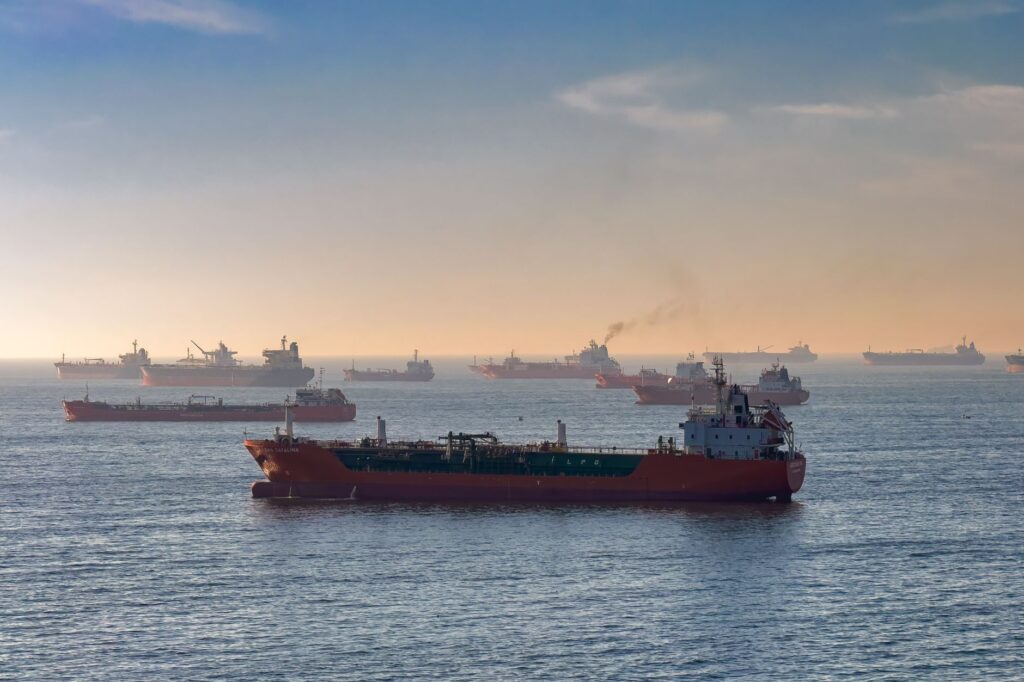
The Strait of Hormuz serves as the world’s most vital oil transit chokepoint, linking Middle Eastern producers to major markets across the globe. According to data from the U.S. Energy Information Administration, approximately one-fifth of the world’s total oil consumption passes through this narrow waterway daily.
The waterway is the only sea passage from the Persian Gulf to the open ocean, making it a critical artery for the global economy. Any perceived threat to the stability of this route creates immediate ripple effects across shipping, insurance, and energy sectors.
Geopolitical friction in this region has historically led to heightened naval presence and increased operational costs for commercial vessels. The current stalemate reinforces fears that a prolonged period of uncertainty could lead to physical disruptions in supply chains.
Details of the Weekend Diplomatic Impasse
Reports from the weekend suggest that mediators were unable to bridge the gap between conflicting demands regarding regional security and maritime protocols. While specific details of the proposals remain confidential, official sources indicate that the core issues of sovereignty and transit rights remain unresolved.
The failure to reach a consensus has dashed the optimism that briefly buoyed markets late last week. Analysts noted that the expectation of a deal had been partially priced into the market, leading to a sharp correction when the stalemate was confirmed.
In response to the diplomatic deadlock, several nations have reportedly reviewed their maritime security postures. This increased military awareness adds another layer of complexity to an already fragile geopolitical landscape.
Impact on Global Energy Benchmarks
Brent crude, the international benchmark, rose significantly in early trading, pushing past key resistance levels. West Texas Intermediate (WTI) followed a similar trajectory, reflecting broader concerns over the availability of light, sweet crude in the event of a regional escalation.
Energy analysts suggest that the price hike is driven more by fear of potential future shortages than by any current physical deficit. However, the psychological impact of a stalemate often leads to speculative buying, which further inflates prices at the pump for consumers.
Official data shows that energy stocks were among the few gainers in an otherwise bearish market. Large-scale producers saw their valuations rise as higher oil prices typically translate to increased revenue margins for the sector.
Equities and the Broader Economic Fallout
While energy prices climbed, major stock indices across Europe and the United States faced downward pressure. The S&P 500 and the FTSE 100 both opened lower, as investors moved capital away from riskier assets and toward safe-haven investments like gold and government bonds.
The decline in equity markets reflects broader anxieties regarding inflation. Higher energy costs act as a tax on both businesses and consumers, potentially slowing economic growth and complicating the efforts of central banks to manage interest rates.
Transportation and manufacturing sectors have been particularly hard hit by the news. Airlines and logistics companies, which are highly sensitive to fuel costs, saw their share prices dip as the prospect of higher operational expenses became more likely.
Industry Perspectives and Supply Chain Risks
Industry experts warn that a prolonged stalemate could lead to higher insurance premiums for shipping companies operating in the region. These costs are often passed down the supply chain, ultimately contributing to the rising cost of goods globally.
Maritime security firms have noted an increase in inquiries from commercial operators seeking protective measures. This shift highlights the growing concern that the diplomatic deadlock could transition into more direct forms of interference with commercial shipping.
According to reports from trade organizations, some shipping companies are already considering alternative routes. However, bypassing the Strait of Hormuz is often logistically difficult and significantly more expensive, adding days to transit times.
What to Watch Next
The international community is now looking toward the next round of emergency meetings scheduled at the United Nations. Diplomatic efforts are expected to continue, though expectations for a rapid resolution have been significantly tempered by recent events.
Investors will also be watching for any official statements from OPEC+ regarding production levels. If prices continue to climb, there may be pressure on member nations to increase output to stabilize the global market.
The behavior of retail consumers will also be a key indicator of economic resilience. If energy prices remain elevated, a shift in consumer spending habits could signal a broader economic slowdown in the coming quarters.
Disclaimer: This article is published for general news and informational purposes only. While every effort has been made to ensure accuracy, readers are advised to verify important information from official sources. The publisher shall not be responsible for any loss or inconvenience arising from reliance on the information published.