
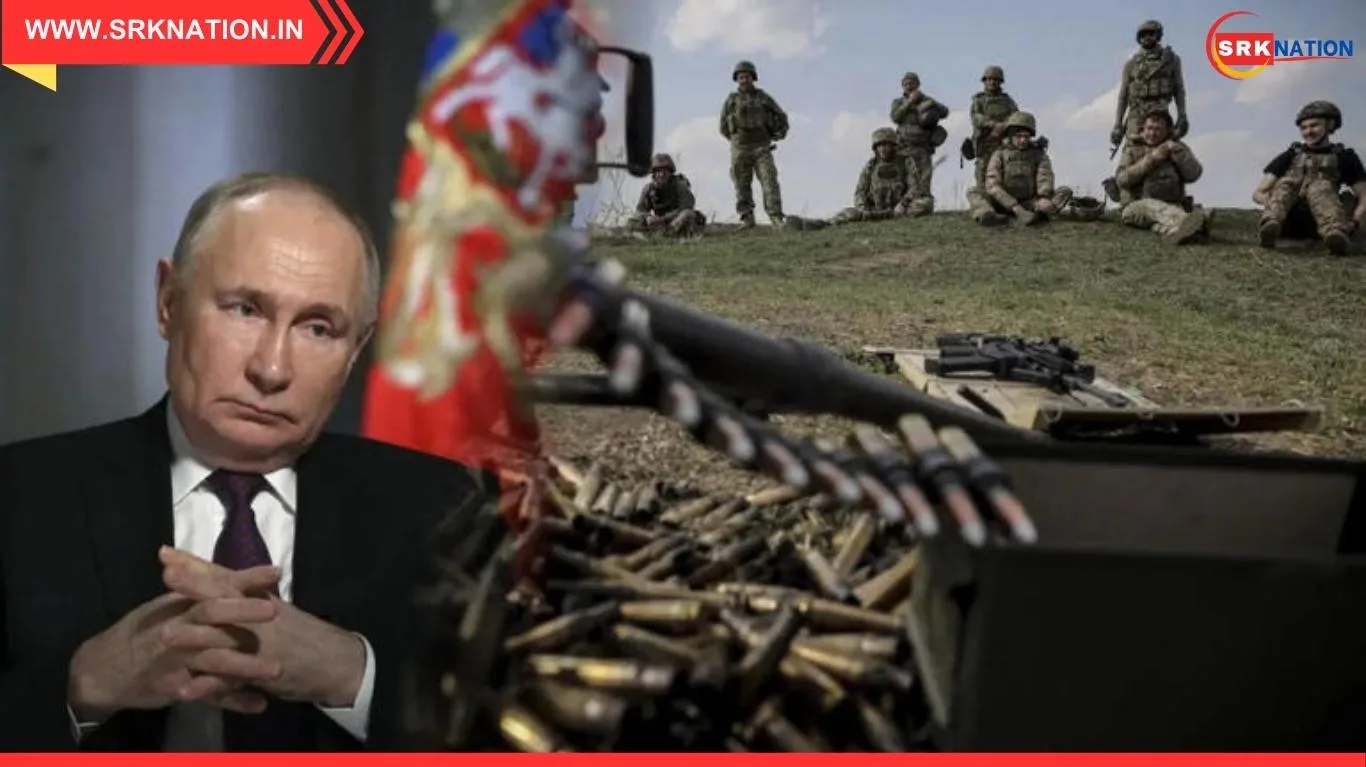
Global tensions escalated sharply after Russian President Vladimir Putin issued a stern warning to Europe, declaring that any war involving Russia would result in “total defeat” for the continent. Putin further emphasized that in such a scenario, Russia would have “no one left to negotiate with”, signaling the gravity of Moscow’s stance amid ongoing geopolitical disputes. His remarks have sparked widespread debate across diplomatic circles, raising concerns about the future of European security, NATO’s role, and the fragile balance of global peace.
Rising Geopolitical Tensions
- Russia-Europe Relations: Relations between Russia and Europe have been strained due to conflicts, sanctions, and NATO’s expansion.
- Putin’s Warning: The statement underscores Russia’s readiness to respond decisively if provoked.
- Global Context: With wars and conflicts already destabilizing regions, Putin’s remarks add to fears of escalation.
- Diplomatic Fallout: European leaders are expected to respond cautiously, balancing deterrence with dialogue.
Key Highlights Of Putin’s Warning
| Aspect | Details | Impact |
|---|---|---|
| Speaker | Vladimir Putin | Russian President |
| Audience | Europe | Target of warning |
| Statement | “Total defeat” if war breaks out | Raises alarm |
| Negotiation | “No one left to negotiate with” | Signals finality |
| Global Impact | Heightened tensions | Sparks diplomatic debate |
Why Putin’s Remarks Matter
- Security Concerns: Europe faces heightened risks of military escalation.
- Diplomatic Fallout: The warning complicates ongoing negotiations and peace efforts.
- Global Stability: Any conflict involving Russia would have worldwide repercussions.
- Energy Dependence: Europe’s reliance on Russian energy adds economic vulnerability.
- NATO’s Role: The alliance must reassess strategies in light of Russia’s aggressive rhetoric.
Potential Consequences Of Escalation
| Consequence | Europe | Russia | Global Impact |
|---|---|---|---|
| Military Conflict | Risk of destruction | Heavy retaliation | Global instability |
| Economic Fallout | Energy crisis | Sanctions pressure | Trade disruptions |
| Diplomatic Breakdown | Loss of dialogue | Isolation | Weakening of global institutions |
| Civilian Impact | Humanitarian crisis | Domestic strain | Refugee flows |
| Global Security | NATO involvement | Strategic escalation | Risk of world war |
Industry And Political Reaction
- European Leaders: Express concern, calling for restraint and dialogue.
- NATO Officials: Stress readiness to defend member states.
- Global Analysts: Warn that rhetoric could spiral into miscalculation.
- Citizens: Fear the impact of war on daily life, energy prices, and security.
Strategic Importance
- Military Balance: Russia’s military capabilities remain formidable, making threats credible.
- Diplomatic Channels: Dialogue is essential to prevent escalation.
- Economic Stakes: Europe’s energy and trade ties with Russia complicate responses.
- Global Peace: Stability depends on avoiding direct confrontation.
Expert Opinions
- Security Analysts: Stress that Putin’s warning is both a deterrent and a signal of frustration.
- Economists: Highlight the potential economic fallout of conflict.
- Political Commentators: Suggest Europe must balance firmness with diplomacy.
- Global Observers: Note that Russia’s rhetoric reflects broader geopolitical shifts.
Public Sentiment
- European Citizens: Concerned about security and economic stability.
- Russian Citizens: Divided between support for strong leadership and fear of isolation.
- Global Public: Alarmed by the possibility of escalation into global conflict.
- Social Media: Flooded with debates, memes, and calls for peace.
Challenges Ahead
- Diplomatic Breakdown: Risk of losing dialogue channels between Russia and Europe.
- Military Escalation: Potential for miscalculation leading to conflict.
- Economic Vulnerability: Europe’s dependence on Russian energy remains a challenge.
- Global Security: Ensuring stability amid rising tensions is critical.
Future Outlook
- Short-Term: Diplomatic efforts likely to intensify to defuse tensions.
- Medium-Term: Europe may diversify energy sources and strengthen defense.
- Long-Term: Global institutions must adapt to prevent large-scale conflicts.
- Global Impact: The warning underscores the fragility of peace in a multipolar world.
Conclusion
The warning by Vladimir Putin that Europe would face “total defeat” if war breaks out, with Russia having “no one left to negotiate with”, marks a significant escalation in rhetoric. It reflects the deepening divide between Russia and Europe, raising concerns about security, diplomacy, and global stability.
For Europe, it is a reminder of the urgent need to balance deterrence with dialogue. For Russia, it signals a willingness to assert dominance. And for the world, it is a stark warning that peace remains fragile and must be safeguarded through diplomacy and cooperation.
Disclaimer: This article is based on publicly available geopolitical updates, expert commentary, and media analysis. Readers are advised to follow official government statements and verified sources for detailed information.