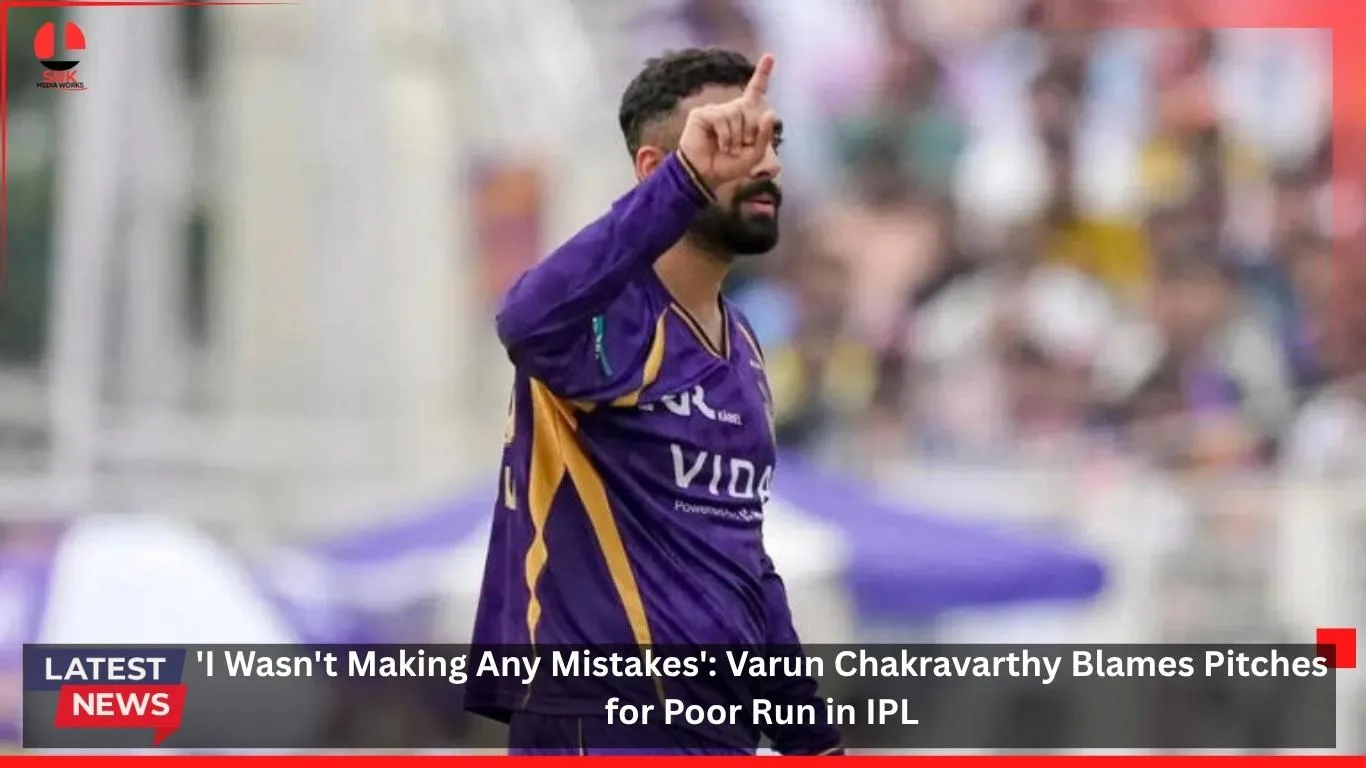






The ICC has penalised Indian fast bowler Arshdeep Singh for an on-field incident during the T20 World Cup final between India and New Zealand, where he threw the ball in frustration towards Kiwi batter Daryl Mitchell. The disciplinary action has sparked debates in cricketing circles about player conduct, sportsmanship, and the pressures of high-stakes matches.
The Incident
During a tense phase of the final, Arshdeep Singh, visibly frustrated after a misfield and a boundary conceded, threw the ball in Mitchell’s direction. Though no physical harm was caused, the act was deemed unsporting by the match officials. The ICC match referee imposed a penalty under the Code of Conduct for Players and Player Support Personnel, citing inappropriate behavior.
ICC’s Decision
The ICC clarified that the penalty was aimed at maintaining discipline and ensuring respect between players. While acknowledging the intensity of the final, the governing body stressed that such actions cannot be overlooked. Arshdeep Singh accepted the sanction without contest, signaling his commitment to fair play.
Comparative Analysis of ICC Player Penalties
| Player | Incident | Penalty Imposed | Tournament Year |
|---|---|---|---|
| Arshdeep Singh | Threw ball at Daryl Mitchell | Match fee deduction, warning | 2026 |
| Virat Kohli | Excessive celebration | Fine, official warning | 2019 |
| Ben Stokes | Verbal altercation with umpire | Fine, demerit points | 2021 |
| David Warner | Aggressive send-off | Match fee deduction | 2017 |
This table shows how ICC has consistently acted against unsporting behavior, regardless of the player’s stature.
Reactions from Players and Fans
- Indian Camp: Team management acknowledged the penalty and emphasized the importance of maintaining composure in high-pressure matches.
- New Zealand Camp: Mitchell downplayed the incident, stating that such moments are part of competitive cricket.
- Fans: Social media saw mixed reactions—some criticized Arshdeep for losing his cool, while others defended him, citing the intensity of a World Cup final.
Analytical Perspective
From an analytical standpoint, the incident reflects the psychological strain players face in finals. Arshdeep Singh, known for his calm demeanor, momentarily lost composure under pressure. The ICC’s swift action reinforces the importance of discipline, while the player’s acceptance of the penalty demonstrates accountability.
Key Themes Emerging
| Theme | Explanation |
|---|---|
| Sportsmanship | ICC emphasizes respect and fair play on the field. |
| Pressure in Finals | High-stakes matches often test players’ temperament. |
| Accountability | Arshdeep’s acceptance of penalty shows maturity. |
| Fan Engagement | Incident sparked debates on social media, reflecting cricket’s popularity. |
Broader Implications
The penalty serves as a reminder that cricket, despite being competitive, must uphold values of respect and sportsmanship. It also highlights the role of governing bodies in setting standards for player behavior. For young cricketers, the incident is a lesson in maintaining composure under pressure.
Conclusion
Arshdeep Singh’s penalty for throwing the ball at Daryl Mitchell during the T20 World Cup final underscores the fine line between passion and discipline in cricket. While the incident was minor, the ICC’s action reinforces the importance of sportsmanship. As India and New Zealand continue to inspire fans with their performances, the episode will be remembered as a lesson in composure and accountability on the global stage.
Disclaimer
This article is a journalistic analysis based on publicly available information and official ICC statements. It is intended for informational purposes only and does not represent endorsement of any player or team. Readers should interpret the content as part of ongoing sports discourse rather than a definitive judgment.