








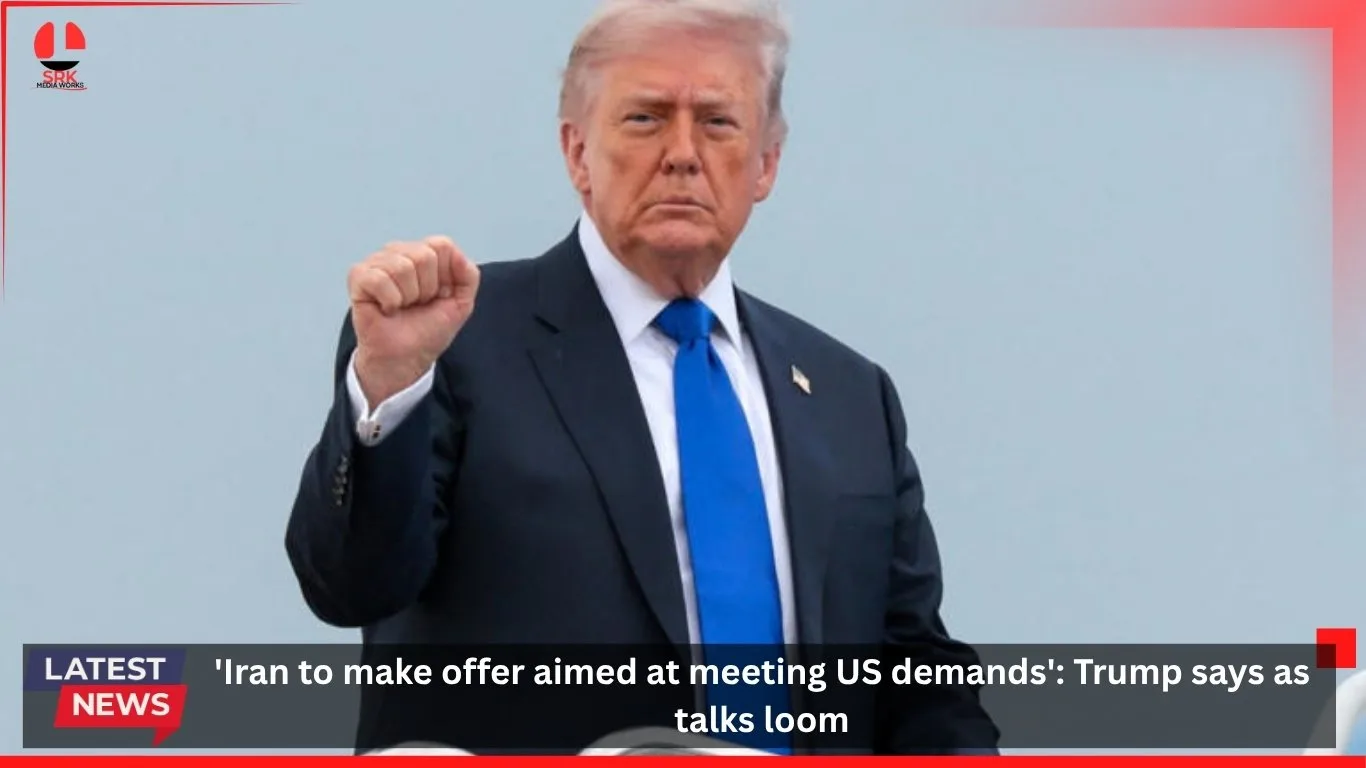
President Donald Trump has stated that Iran is preparing to make an offer aimed at meeting U.S. demands, as fresh negotiations loom between Washington and Tehran. The announcement has sparked global attention, with analysts debating whether this signals a potential breakthrough in the long-standing tensions between the two nations or simply another tactical move in a complex geopolitical chessboard.
Trump’s Statement
Trump emphasized that Iran is expected to present a proposal that aligns with U.S. conditions, particularly on issues related to nuclear development, regional influence, and sanctions relief. He described the anticipated offer as a “step in the right direction,” while cautioning that the U.S. would only accept terms that ensure American interests and regional stability.
Key Highlights:
- Trump claims Iran will make an offer to meet U.S. demands.
- Talks are expected to focus on nuclear restrictions, sanctions, and regional security.
- Analysts remain divided on whether this marks genuine progress.
Iran’s Position
Iran has consistently demanded relief from economic sanctions as a prerequisite for any meaningful agreement. While Tehran has not officially confirmed Trump’s statement, Iranian officials have previously signaled willingness to negotiate if sanctions are eased and sovereignty is respected.
Iran’s Objectives:
- Secure sanctions relief to stabilize its economy.
- Maintain regional influence while avoiding direct confrontation.
- Ensure recognition of its sovereignty in negotiations.
U.S. Position
The U.S. has insisted that Iran must curb its nuclear ambitions and reduce support for proxy groups in the Middle East. Trump’s statement suggests that Washington is open to dialogue but remains firm on its conditions.
U.S. Objectives:
- Prevent Iran from acquiring nuclear weapons.
- Limit Iran’s regional influence in conflict zones.
- Ensure compliance through strict monitoring mechanisms.
Comparative Analysis
| Aspect | U.S. Position | Iran’s Position |
|---|---|---|
| Nuclear Program | Strict restrictions, monitoring | Civilian use only, sovereignty respected |
| Sanctions | Conditional relief based on compliance | Immediate relief as negotiation basis |
| Regional Influence | Reduction of proxy support | Recognition of strategic role |
| Diplomatic Strategy | Firm conditions, cautious engagement | Flexible if sovereignty acknowledged |
Regional Implications
The potential offer carries significant implications for the Middle East. A successful negotiation could reduce tensions in the Persian Gulf, stabilize energy markets, and prevent escalation into broader conflict. However, failure could intensify hostilities and deepen divisions among regional powers.
Pivot Analysis: Negotiation Outcomes vs. Regional Impact
| Factor | Positive Outcome | Negative Outcome |
|---|---|---|
| Security | Reduced tensions, stability in Gulf | Escalation if talks collapse |
| Energy Markets | Stabilized oil prices | Volatility due to uncertainty |
| Diplomacy | Strengthened regional cooperation | Increased polarization among allies |
| Humanitarian Impact | Relief for civilians in conflict zones | Continued suffering if ceasefire stalls |
Global Reactions
International observers have responded cautiously to Trump’s statement. European allies have welcomed the possibility of renewed dialogue, while Russia and China remain skeptical of U.S. intentions. Gulf states are closely monitoring developments, wary of Iran’s potential leverage.
Reactions Overview
| Group/Community | Reaction to Trump’s Statement | Potential Impact |
|---|---|---|
| European Allies | Positive, encourage dialogue | Push for multilateral negotiations |
| Russia and China | Skeptical, question U.S. motives | May strengthen ties with Iran |
| Gulf States | Wary, cautious about Iran’s influence | Could seek stronger U.S. guarantees |
| Global Analysts | Highlight importance of diplomacy | Shape narrative on peace efforts |
Historical Context
U.S.-Iran relations have been fraught with tension for decades, from the 1979 revolution to recent confrontations over nuclear development and sanctions. Previous attempts at negotiation, such as the 2015 nuclear deal, collapsed after the U.S. withdrawal. Trump’s statement suggests a possible reopening of dialogue, though mistrust remains high.
Future Outlook
The success of upcoming talks will depend on the willingness of both sides to compromise. If Iran’s offer genuinely meets U.S. demands, it could pave the way for a new framework of cooperation. However, unresolved issues such as sanctions, regional influence, and nuclear monitoring remain major hurdles.
Looking ahead:
- Diplomatic Engagement: Talks may intensify with regional and global stakeholders.
- U.S. Strategy: Maintain firm conditions while exploring potential concessions.
- Iran’s Approach: Balance sovereignty with economic necessity.
- Global Impact: Energy markets and regional stability hinge on negotiation outcomes.
Conclusion
Trump’s statement that Iran is preparing to make an offer aimed at meeting U.S. demands has raised hopes of renewed dialogue but also skepticism about its feasibility. While the announcement signals potential progress, the path to a lasting agreement remains fraught with challenges. The coming talks will determine whether diplomacy can overcome decades of mistrust and reshape the future of U.S.-Iran relations.
Disclaimer
This article is based on publicly available geopolitical commentary and analysis. It does not represent endorsement or criticism of any nation or policy. The content is intended for informational purposes only, highlighting the dynamics of diplomacy, regional security, and international relations. Readers are encouraged to explore diverse perspectives before forming conclusions.