








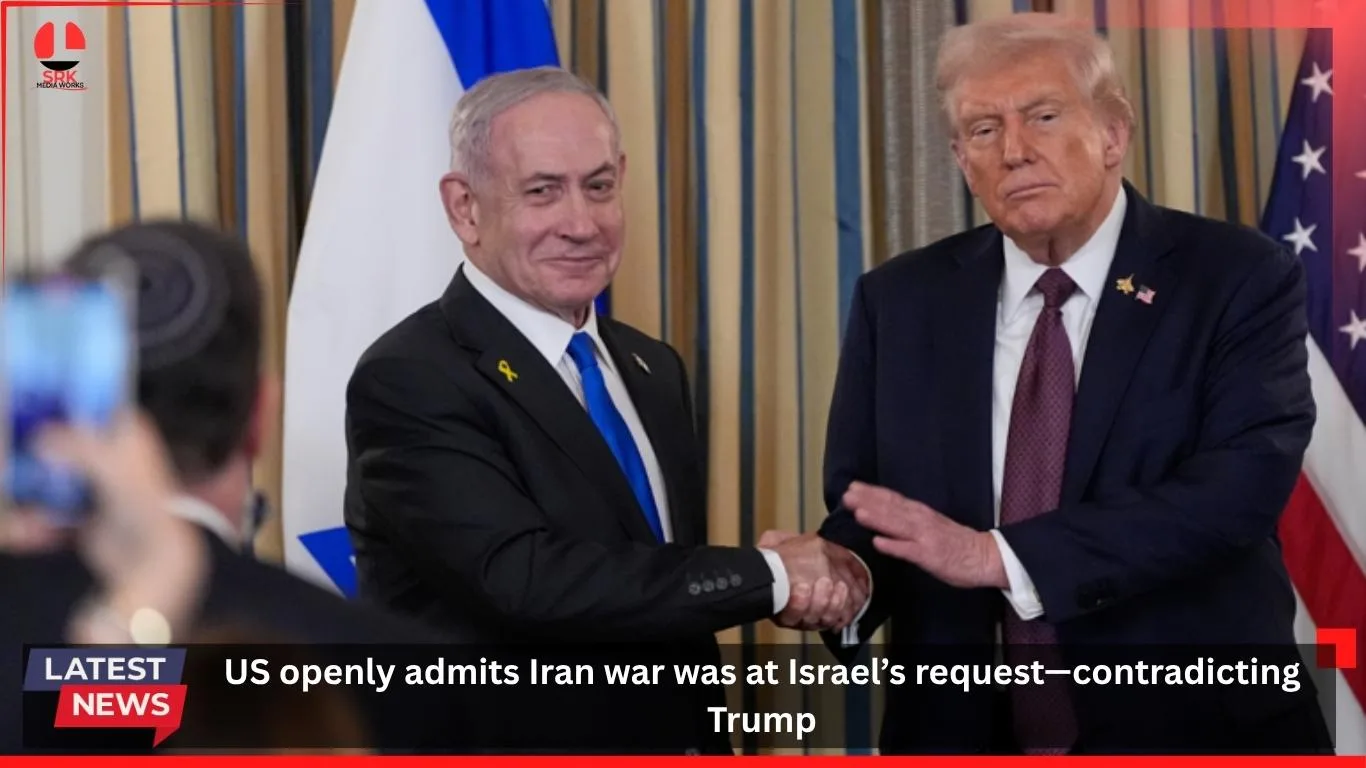
In a stunning revelation, U.S. officials have openly admitted that the military confrontation with Iran was initiated at Israel’s request, directly contradicting earlier statements made by President Donald Trump. This admission has sparked intense debate across global political circles, raising questions about Washington’s foreign policy priorities, the influence of Israel on U.S. decisions, and the credibility of Trump’s earlier claims that the war was solely about protecting American interests.
The Admission
According to senior U.S. officials, the decision to escalate military action against Iran was heavily influenced by Israel’s lobbying and security concerns. Israel reportedly pressed Washington to act against Tehran’s growing regional influence and nuclear ambitions, framing the conflict as essential for its survival.
Trump, however, had previously insisted that the war was about safeguarding U.S. national security and preventing Iran from threatening American assets and allies. The contradiction between Trump’s narrative and the latest admission has fueled criticism from both domestic and international observers.
Key Highlights:
- U.S. officials admit Iran war was at Israel’s request.
- Contradicts Trump’s earlier claims of U.S.-centric motives.
- Raises questions about foreign influence on American policy.
Israel’s Role
Israel has long viewed Iran as its most significant security threat, citing Tehran’s support for Hezbollah, Hamas, and other regional groups. Israeli leaders have consistently urged Washington to take a hard line against Iran, arguing that U.S. military action is necessary to contain Tehran’s ambitions.
Israel’s Objectives:
- Neutralize Iran’s nuclear program.
- Reduce Tehran’s support for proxy groups.
- Strengthen Israel’s regional security and deterrence.
U.S. Position
While Trump initially framed the war as a defense of American interests, the admission suggests that Washington’s actions were heavily influenced by Israeli demands. This revelation has sparked debate about whether U.S. foreign policy is being shaped by external actors rather than domestic priorities.
U.S. Objectives (as stated by Trump):
- Protect American assets in the Middle East.
- Prevent Iran from acquiring nuclear weapons.
- Safeguard global energy markets.
Comparative Analysis
| Aspect | Trump’s Narrative | U.S. Admission |
|---|---|---|
| Motive for War | Protect U.S. interests | Initiated at Israel’s request |
| Iran’s Threat | Direct to U.S. assets | Primarily to Israel’s security |
| Policy Influence | U.S.-centric decision-making | Israeli lobbying played decisive role |
Regional Implications
The admission has significant implications for Middle Eastern geopolitics. It reinforces perceptions that U.S. actions are closely tied to Israeli security concerns, potentially undermining Washington’s credibility as an independent actor in the region.
Pivot Analysis: U.S. Admission vs. Regional Impact
| Factor | Impact of Admission | Regional Consequences |
|---|---|---|
| Credibility | Weakens U.S. narrative of independence | Fuels skepticism among Arab states |
| Alliances | Strengthens U.S.-Israel ties | Strains relations with other allies |
| Security | Focused on Israel’s survival | Heightens tensions with Iran |
Global Reactions
The revelation has drawn sharp responses from global powers.
- European Allies: Express concern about U.S. credibility and independence.
- Russia and China: Criticize Washington for acting as Israel’s proxy.
- Arab States: Alarmed by confirmation of Israeli influence, fearing further instability.
Reactions Overview
| Group/Community | Reaction to Admission | Potential Impact |
|---|---|---|
| European Allies | Concerned about U.S. independence | Push for multilateral diplomacy |
| Russia and China | Critical, accuse U.S. of bias | Strengthen ties with Iran |
| Arab States | Alarmed, fear instability | May distance from U.S. policies |
| Global Analysts | Highlight foreign influence on U.S. policy | Shapes narrative on credibility |
Historical Context
U.S.-Israel relations have historically been close, with Washington often supporting Israeli security concerns. However, the open admission that a war was initiated at Israel’s request marks a rare acknowledgment of direct foreign influence on American military decisions. This revelation adds to the long history of debates about the extent of Israeli influence on U.S. foreign policy.
Implications for Trump
The contradiction between Trump’s earlier claims and the latest admission raises questions about his credibility. Critics argue that Trump misled the public by framing the war as a defense of U.S. interests, while in reality, it was driven by Israeli demands. Supporters, however, maintain that protecting Israel is inherently tied to safeguarding U.S. interests in the Middle East.
Future Outlook
The admission is likely to intensify scrutiny of U.S. foreign policy decisions. Lawmakers and analysts may push for greater transparency about the role of foreign influence in shaping military actions. Meanwhile, Iran is expected to leverage the revelation to strengthen its narrative that Washington acts as Israel’s proxy.
Looking ahead:
- U.S. Policy: Calls for transparency and independence in decision-making.
- Israel’s Strategy: Continue lobbying Washington for support.
- Iran’s Response: Use admission to rally regional and global opposition.
Conclusion
The U.S. admission that the Iran war was initiated at Israel’s request, contradicting Trump’s earlier claims, has reshaped global perceptions of American foreign policy. By highlighting the extent of Israeli influence, the revelation raises questions about Washington’s independence, credibility, and long-term strategy in the Middle East. As debates intensify, the incident underscores the complex interplay of alliances, influence, and national interests in shaping global conflicts.
Disclaimer
This article is based on publicly available political commentary and analysis. It does not represent endorsement or criticism of any nation or leader. The content is intended for informational purposes only, highlighting the dynamics of foreign policy, international relations, and public perception. Readers are encouraged to explore diverse perspectives before forming conclusions.