

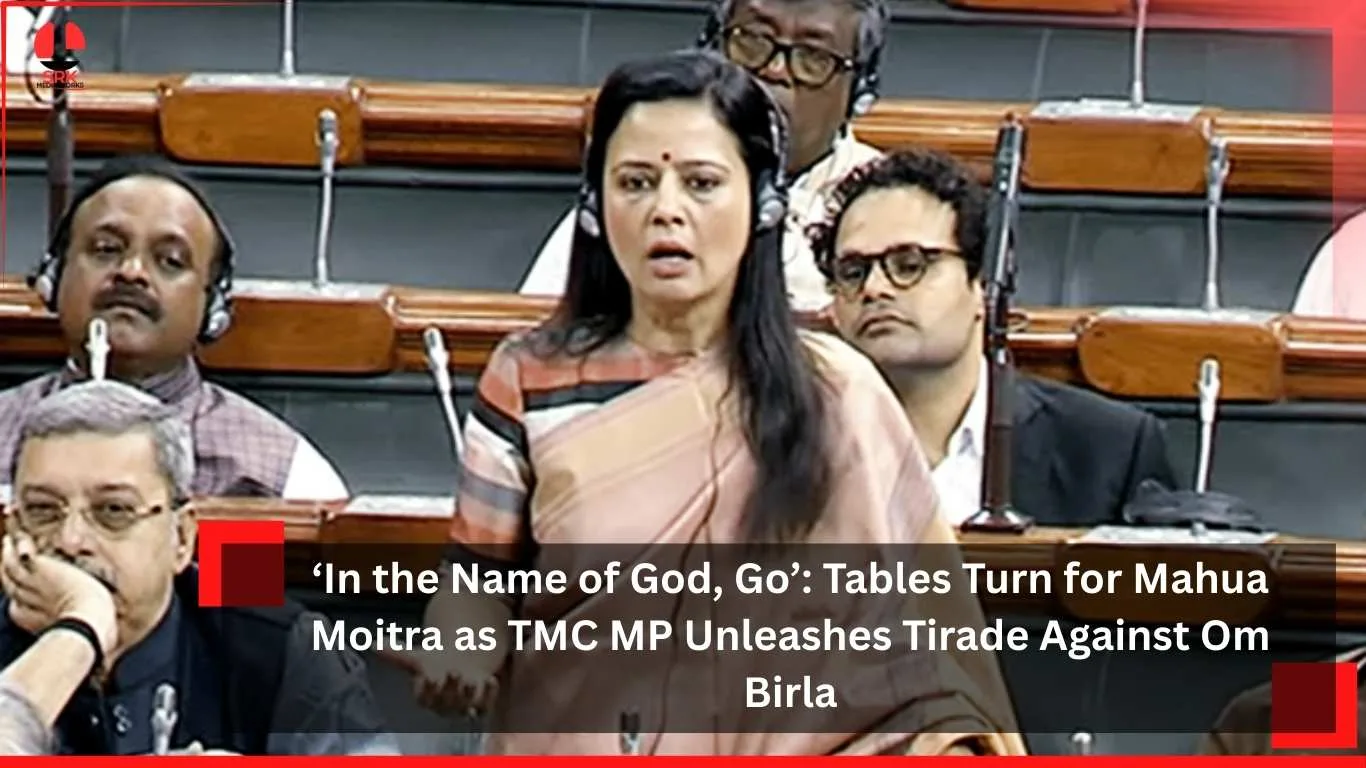
In a fiery intervention in Parliament, Trinamool Congress (TMC) MP Mahua Moitra invoked the historic phrase “In the name of God, go” while launching a sharp tirade against Lok Sabha Speaker Om Birla. The remark, echoing a line famously used in political history to demand accountability, has triggered intense debate across political and public circles.
The Incident
During a heated session, Mahua Moitra accused the Speaker of failing to uphold impartiality and fairness in parliamentary proceedings. Her statement, delivered with passion and conviction, drew immediate reactions from members across party lines. By invoking the phrase “In the name of God, go,” Moitra signaled her demand for accountability and transparency in the functioning of the House.
Historical Context of the Phrase
The phrase “In the name of God, go” has deep historical resonance. It was famously used in the British Parliament during the 17th century and later echoed by Winston Churchill in the 20th century. By employing this phrase, Moitra sought to place her criticism within a larger tradition of democratic dissent and moral appeal.
Political Reactions
- TMC Leaders: Supported Moitra’s statement, framing it as a call for fairness and democratic accountability.
- BJP Leaders: Criticized the remark, calling it disrespectful to the Speaker’s office.
- Opposition Parties: Some opposition members expressed solidarity, while others cautioned against personal attacks.
- Public Response: Social media platforms lit up with debates, memes, and discussions, reflecting both support and criticism.
Comparative Analysis of Parliamentary Confrontations
| Incident | Leader Involved | Target of Criticism | Impact on Debate |
|---|---|---|---|
| “In the name of God, go” remark | Mahua Moitra | Om Birla | Sparked national debate on Speaker’s role |
| Hug & Wink in Lok Sabha (2018) | Rahul Gandhi | PM Modi | Viral moment, mixed reactions |
| Walkout over farm bills | Opposition MPs | Government | Highlighted dissent, mass protest |
| Verbal clash during GST debate | Multiple MPs | Treasury benches | Intensified partisan divisions |
This table illustrates how symbolic gestures and sharp remarks often dominate parliamentary discourse.
Analytical Perspective
From an analytical standpoint, Moitra’s tirade reflects the growing assertiveness of opposition voices in Parliament. Her use of a historically loaded phrase was not accidental—it was a deliberate rhetorical strategy to amplify her criticism and draw public attention. The incident also highlights the tension between parliamentary decorum and the right to dissent.
Key Themes Emerging
| Theme | Explanation |
|---|---|
| Democratic Dissent | Moitra’s remark underscores the role of opposition in holding institutions accountable. |
| Symbolic Language | Use of historic phrases adds weight to political criticism. |
| Parliamentary Decorum | Debate continues on the limits of acceptable speech in the House. |
| Public Engagement | Social media amplified the incident, making it part of popular discourse. |
Broader Implications
The episode raises important questions about the balance between respect for institutions and the right to criticize them. While some argue that Moitra’s remark crossed a line, others see it as a legitimate expression of democratic dissent. The incident may also influence future parliamentary debates, with opposition leaders likely to adopt more symbolic and confrontational rhetoric.
Conclusion
Mahua Moitra’s invocation of “In the name of God, go” against Speaker Om Birla has become a defining moment in recent parliamentary history. It reflects the intensity of political confrontation, the power of symbolic language, and the enduring struggle to balance decorum with dissent. As debates continue, the incident will be remembered as a bold assertion of opposition voice in India’s democracy.
Disclaimer
This article is a journalistic analysis based on publicly available information and parliamentary proceedings. It is intended for informational purposes only and does not represent endorsement of any political party or leader. Readers should interpret the content as part of ongoing democratic discourse rather than a definitive judgment.