

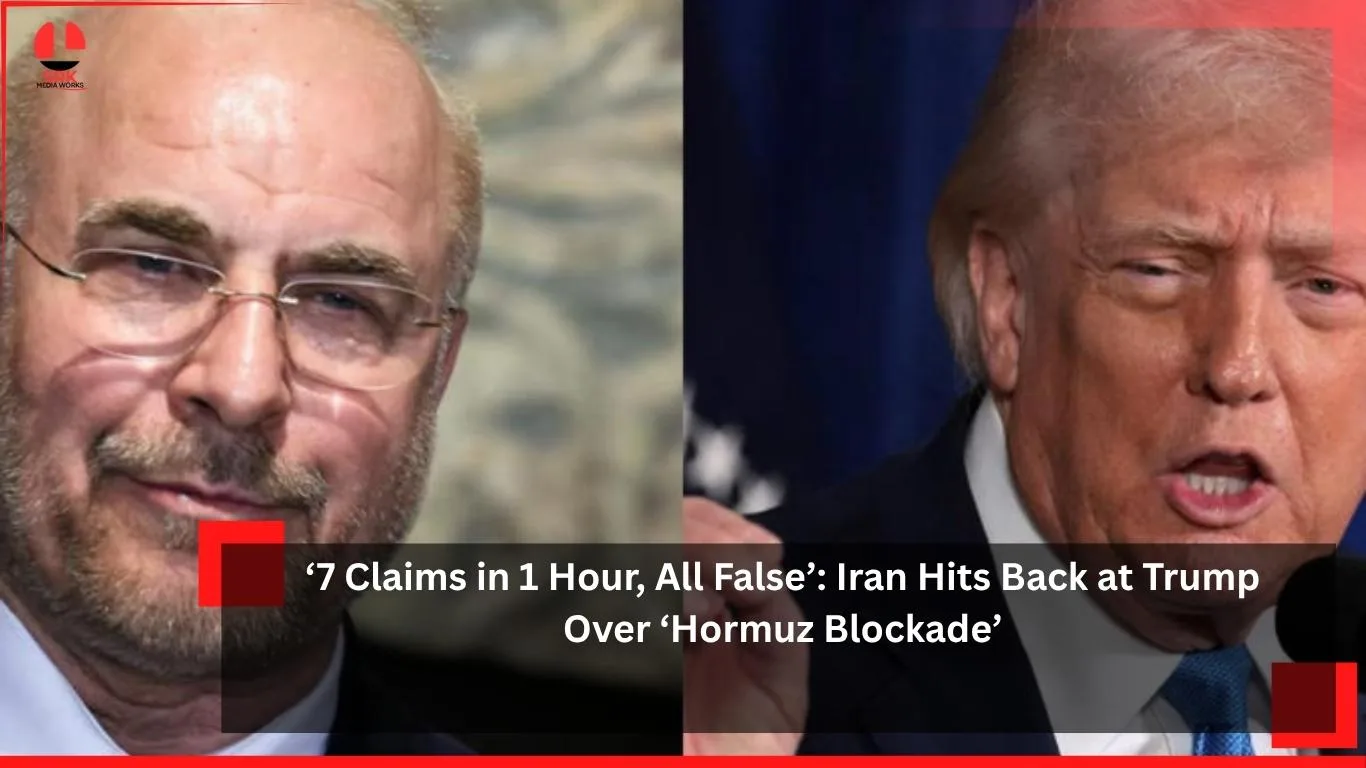
Iran has strongly rejected recent statements made by US President Donald Trump regarding an alleged blockade of the Strait of Hormuz. In a sharp rebuttal, Iranian officials accused Trump of making “seven claims in one hour, all false,” dismissing the allegations as baseless and politically motivated. The exchange has reignited tensions between Washington and Tehran, with global observers closely monitoring the potential impact on energy markets and regional stability.
Iran’s Response
Iran’s foreign ministry issued a detailed statement countering Trump’s remarks. Officials emphasized that the Strait of Hormuz remains open and operational, denying any attempt to block international shipping lanes. They accused the US of spreading misinformation to justify its military presence in the region.
- Denial of Blockade: Iran insists maritime traffic continues without obstruction.
- Accusation of Falsehoods: Officials claim Trump made seven false statements in a short span.
- Political Motive: Iran argues the US is using misinformation to escalate tensions.
Key Highlights of Iran’s Statement
| Claim by Trump | Iran’s Response | Status |
|---|---|---|
| Hormuz blockade | Denied | False |
| Oil shipments halted | Denied | False |
| Military escalation imminent | Denied | False |
| Iran targeting US allies | Denied | False |
| Maritime security compromised | Denied | False |
| Global oil crisis triggered | Denied | False |
| Iran violating agreements | Denied | False |
US Position
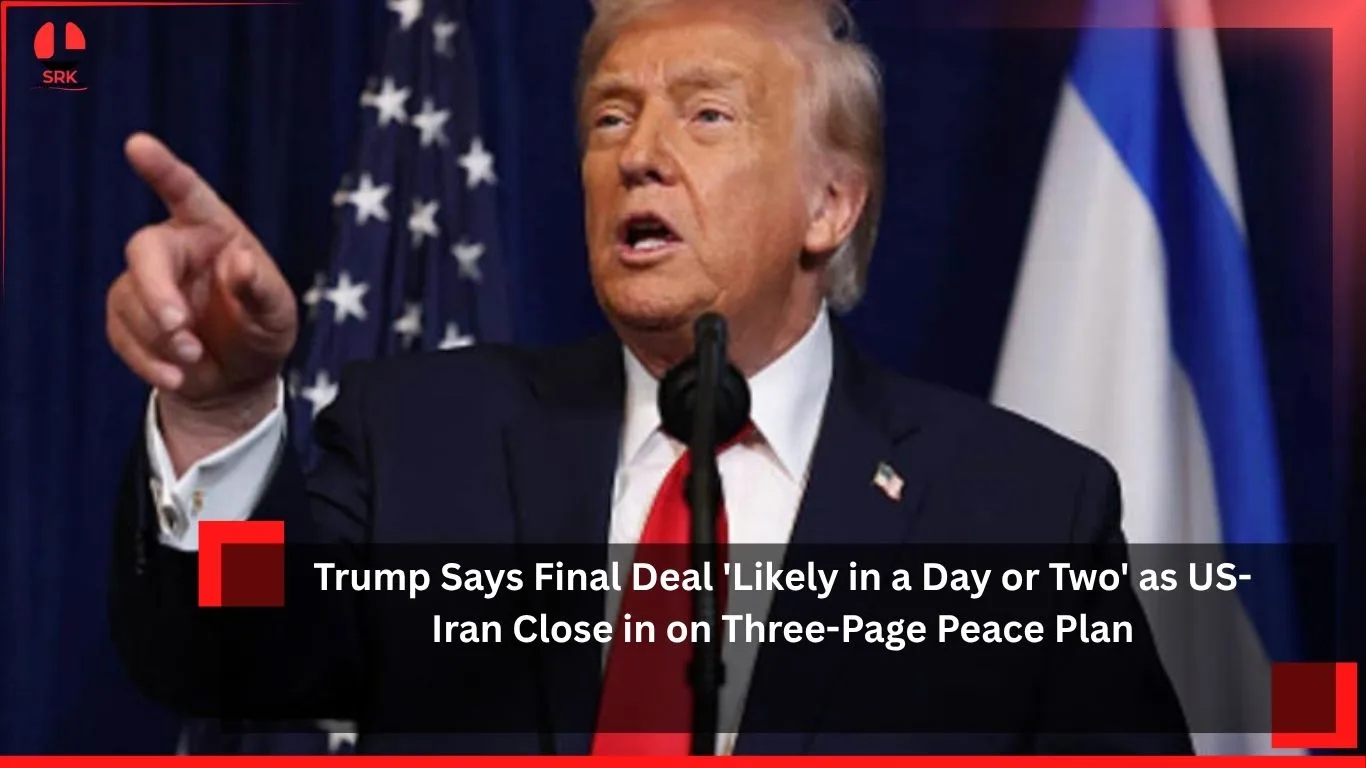
President Trump had earlier claimed that Iran was attempting to block the Strait of Hormuz, a critical maritime passage through which nearly one-fifth of the world’s oil supply flows. He warned that such actions would provoke a strong US response. The Pentagon has reiterated its commitment to ensuring freedom of navigation in the region.
- Strategic Importance: The Strait of Hormuz is vital for global energy trade.
- US Warning: Any attempt to block shipping lanes would be met with force.
- Military Presence: US naval forces remain active in the Gulf to monitor developments.
Global Reactions
The international community has responded cautiously to the escalating rhetoric. Energy markets showed signs of volatility, with oil prices briefly rising amid fears of disruption. Global powers have urged restraint and dialogue to prevent further escalation.
- European Union: Called for de-escalation and diplomatic engagement.
- China: Expressed concern over stability in global energy markets.
- Russia: Criticized US rhetoric, supporting Iran’s denial.
- Middle Eastern Nations: Divided responses, with some backing US concerns and others siding with Iran.
Comparative Analysis of Global Stakeholders
| Stakeholder | Position | Likely Impact |
|---|---|---|
| EU | Urges restraint | Diplomatic pressure |
| China | Concerned about oil supply | Economic caution |
| Russia | Supports Iran | Political alignment |
| Gulf States | Mixed reactions | Regional uncertainty |
Economic Implications
The Strait of Hormuz is one of the most strategically important waterways in the world. Any disruption could have severe consequences for global energy markets. While Iran denies any blockade, the mere suggestion has already influenced oil prices.
Potential Economic Outcomes
| Sector | Impact |
|---|---|
| Oil Prices | Volatility due to uncertainty |
| Shipping | Increased insurance costs |
| Global Trade | Potential delays in supply chains |
| Regional Economies | Risk of instability |
Historical Context
The Strait of Hormuz has been a recurring flashpoint in US-Iran relations. Past incidents, including tanker attacks and naval confrontations, have heightened global concerns. Trump’s latest claims echo previous disputes, though Iran insists the current situation is being exaggerated.
Timeline of Key Events
| Year | Event |
|---|---|
| 1980s | Tanker wars during Iran-Iraq conflict |
| 2012 | Threats of blockade amid sanctions |
| 2019 | Tanker attacks blamed on Iran |
| 2026 | Trump claims Hormuz blockade, Iran denies |
Strategic Implications
The exchange highlights broader strategic tensions between the US and Iran. Analysts warn that misinformation and rhetoric could escalate into confrontation if not managed carefully.
- Risk of Escalation: Miscommunication could trigger military conflict.
- Alliance Dynamics: NATO allies watch closely for US reliability.
- Regional Stability: Gulf nations face heightened uncertainty.
Public Sentiment
Public opinion in both countries reflects deep mistrust. In the US, Trump’s supporters view his statements as a necessary warning, while critics accuse him of exaggeration. In Iran, citizens rally behind official denials, framing the issue as another example of US hostility.
Future Outlook
The coming days will be critical in determining whether tensions escalate or subside. Diplomatic efforts may focus on clarifying facts and ensuring maritime security. Analysts suggest that transparency and communication are essential to prevent miscalculations.
Key Factors to Watch
| Factor | Potential Outcome |
|---|---|
| US Military Response | Could escalate tensions |
| Iran’s Maritime Activity | Will be closely monitored |
| Global Oil Prices | Likely to remain volatile |
| Diplomatic Engagement | Could ease tensions |
Conclusion
Iran’s sharp rebuttal to Trump’s claims about a Hormuz blockade underscores the fragility of US-Iran relations. By labeling the statements “seven claims in one hour, all false,” Tehran has sought to discredit Washington’s narrative. The dispute highlights the strategic importance of the Strait of Hormuz and the risks posed by misinformation in a volatile region. As global powers urge restraint, the world watches closely to see whether diplomacy or confrontation will define the next chapter in this enduring conflict.
Disclaimer
This article is a comprehensive analytical report based on publicly available information and geopolitical developments. It is intended for informational purposes only and does not constitute diplomatic, legal, or economic advice. Readers are encouraged to verify facts independently and consider multiple perspectives before forming conclusions.