









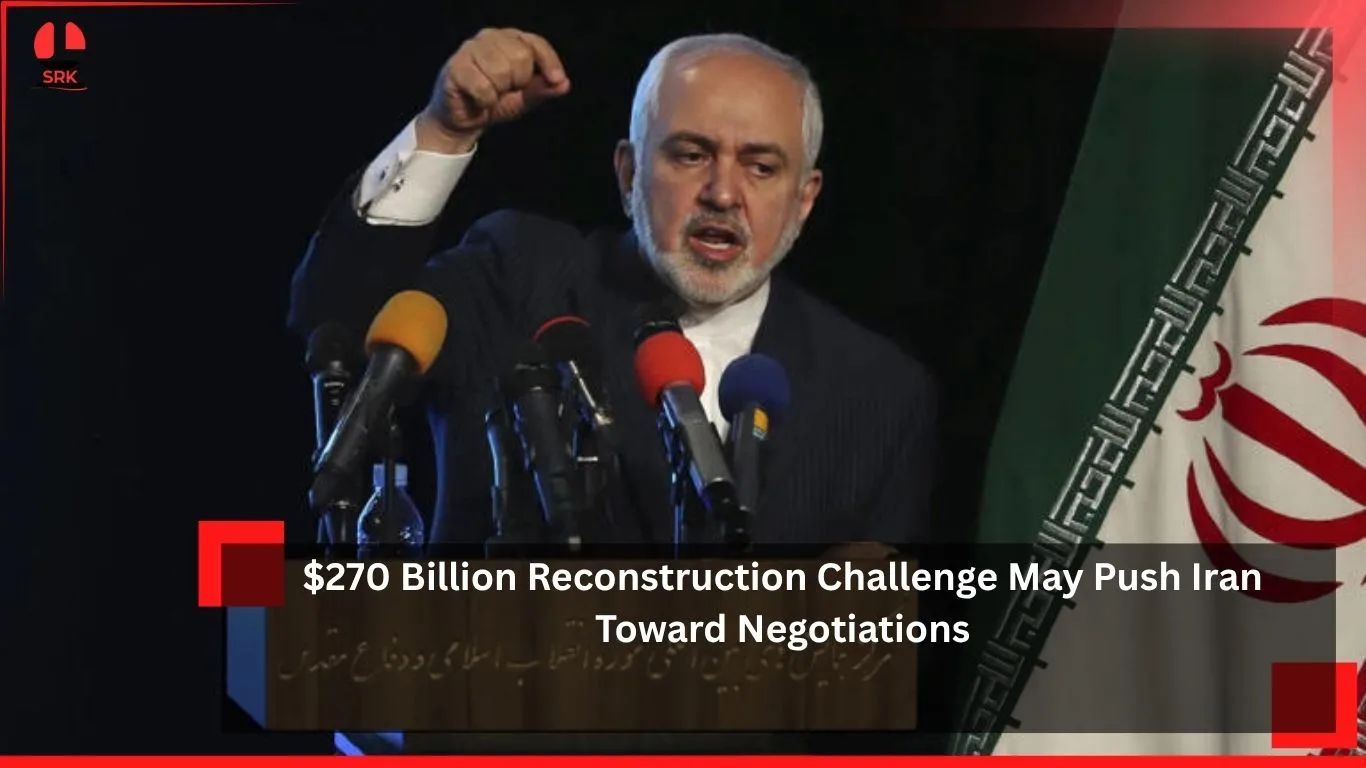
Iran faces an unprecedented economic and political challenge as estimates suggest that reconstruction efforts following years of sanctions, conflicts, and infrastructural decay could cost nearly $270 billion. This staggering figure has raised questions about whether Tehran may be compelled to reconsider its diplomatic stance and move toward negotiations with global powers to secure financial assistance, investments, and relief.
Scale of the Reconstruction Challenge
The $270 billion estimate covers multiple sectors, including energy, housing, transportation, healthcare, and industrial infrastructure. Years of sanctions have crippled Iran’s economy, limiting access to international markets and foreign investment. Additionally, regional conflicts and domestic economic mismanagement have left critical infrastructure in dire need of repair.
Sector-Wise Breakdown of Reconstruction Needs
| Sector | Estimated Cost (USD Billion) | Key Challenges |
|---|---|---|
| Energy & Oil | 90 | Sanctions, outdated technology, reduced exports |
| Housing & Urban Development | 60 | Population growth, urban decay, affordability crisis |
| Transportation | 40 | Aging railways, airports, and roads |
| Healthcare | 30 | Shortages of medical supplies, outdated hospitals |
| Industry & Manufacturing | 50 | Declining productivity, lack of foreign investment |
| Agriculture | 20 | Water scarcity, climate change impact |
| Education | 10 | Infrastructure gaps, outdated curriculum |
| Others | 20 | Miscellaneous reconstruction needs |
The cumulative figure highlights the enormity of the task ahead. Without external support, Iran’s domestic resources may prove insufficient to meet these demands.
Political Implications
The reconstruction challenge has significant political implications. Iran’s leadership faces mounting pressure to stabilize the economy, improve living standards, and reduce unemployment. Failure to address these issues could lead to increased domestic unrest and weaken the government’s legitimacy.
- Negotiation Pressure: The scale of reconstruction may push Iran toward negotiations with Western powers, particularly regarding sanctions relief.
- Regional Diplomacy: Iran may seek closer ties with neighboring countries to secure investment and trade partnerships.
- Internal Politics: Economic hardship could intensify debates within Iran’s political establishment about the balance between ideological rigidity and pragmatic diplomacy.
International Reactions
Global powers are closely watching Iran’s economic predicament. While some countries advocate for renewed negotiations to stabilize the region, others remain cautious, emphasizing Iran’s compliance with international agreements as a prerequisite for financial support.
- United States: Likely to demand strict conditions before easing sanctions.
- European Union: May push for humanitarian and economic engagement to prevent instability.
- China & Russia: Could offer limited support but may not fill the entire financial gap.
- Middle Eastern Neighbors: Mixed reactions, with some wary of Iran’s regional ambitions.
Economic Pathways for Iran
Iran has several potential pathways to address its reconstruction challenge:
- Negotiations for Sanctions Relief: Engaging with global powers to secure partial or full sanctions relief could unlock foreign investment.
- Regional Partnerships: Strengthening economic ties with countries like Turkey, Qatar, and Iraq may provide short-term relief.
- Domestic Reforms: Improving governance, reducing corruption, and encouraging private sector growth could enhance resilience.
- Alternative Financing: Exploring partnerships with non-Western countries and leveraging natural resources for barter trade.
Comparative Analysis of Reconstruction Costs in Conflict-Affected Nations
| Country | Estimated Reconstruction Cost (USD Billion) | Outcome |
|---|---|---|
| Iraq (Post-2003) | 150 | Partial recovery, ongoing instability |
| Syria (Post-2011) | 400 | Limited progress, continued conflict |
| Afghanistan (Post-2001) | 200 | International aid, fragile stability |
| Iran (Projected) | 270 | Pending negotiations, uncertain trajectory |
This comparison illustrates that Iran’s reconstruction challenge is among the largest in modern history, requiring both domestic resilience and international cooperation.
Social Impact
The economic strain has already affected ordinary Iranians. Rising inflation, unemployment, and shortages of essential goods have created widespread frustration. The reconstruction challenge, if not addressed, could exacerbate these issues, leading to further social unrest.
- Youth Unemployment: A major concern, with millions of young Iranians struggling to find jobs.
- Healthcare Access: Limited availability of medicines and modern facilities.
- Housing Crisis: Rising costs and inadequate supply of affordable housing.
- Education Gaps: Outdated infrastructure and limited opportunities for innovation.
Strategic Choices Ahead
Iran’s leadership faces a critical decision: continue its current path of resistance or pivot toward negotiations to secure the resources needed for reconstruction. The $270 billion figure serves as a stark reminder that isolation may not be sustainable in the long run.
Key Factors Influencing Iran’s Decision
| Factor | Influence |
|---|---|
| Economic Pressure | High – reconstruction costs exceed domestic capacity |
| Political Stability | Medium – unrest could escalate without reforms |
| International Relations | High – sanctions relief tied to negotiations |
| Regional Security | Medium – instability could spill over borders |
Conclusion
Iran’s $270 billion reconstruction challenge represents more than just an economic hurdle; it is a defining moment in the country’s political and diplomatic trajectory. Whether Tehran chooses to negotiate or persist in its current stance will shape not only its future but also the stability of the broader Middle East. The coming months will reveal whether economic necessity can override political rigidity and push Iran toward meaningful engagement with the international community.
Disclaimer
This article is an analytical news report based on publicly available information and projections. It is intended for informational purposes only and does not constitute financial, political, or diplomatic advice. Readers should consider multiple perspectives and verify facts independently before drawing conclusions.