




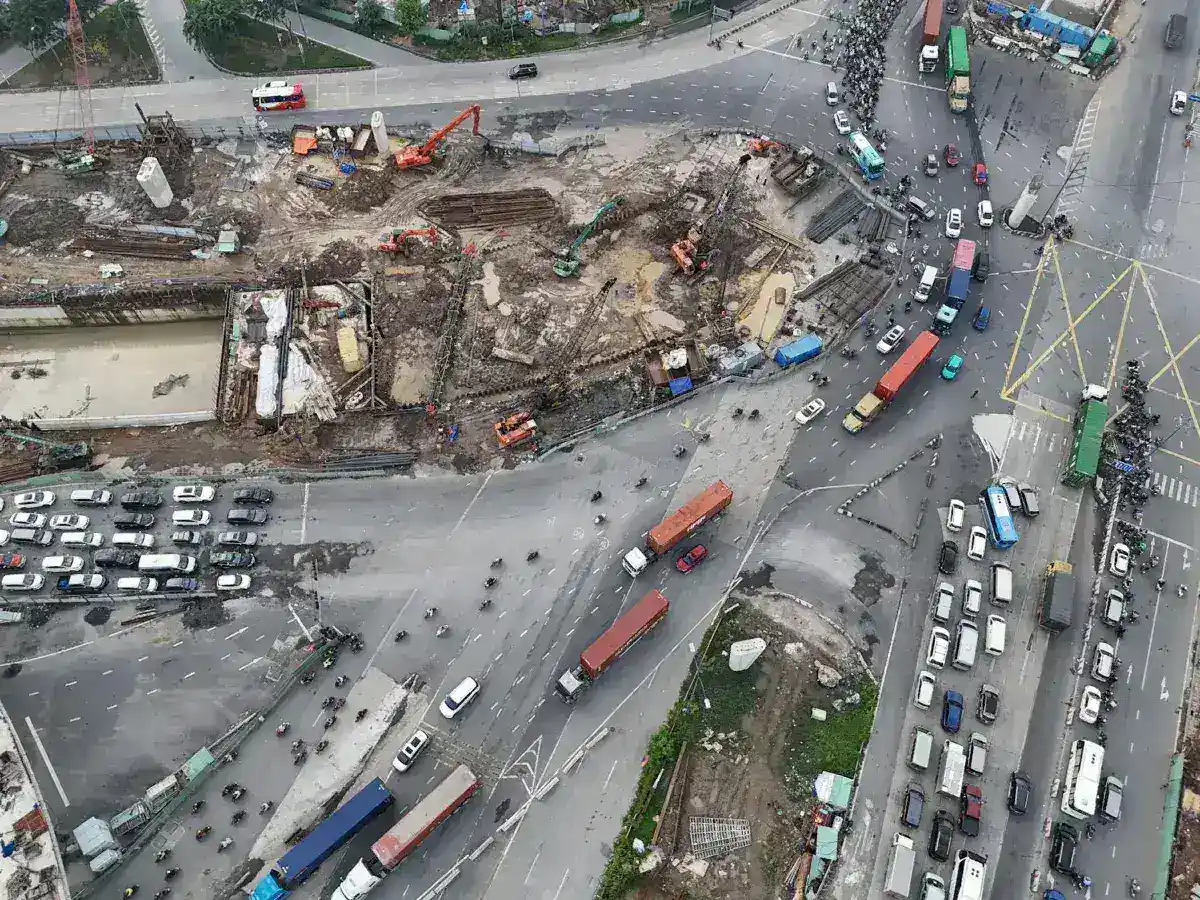
Traffic diversions are in effect at Panjagutta until May 20, as authorities undertake crucial stormwater drain construction. The disruptions, affecting major routes through the busy Hyderabad intersection, aim to improve urban water management infrastructure and mitigate flooding during the upcoming monsoon season. Commuters are advised to seek alternative routes and expect significant delays.
Context: The Need for Enhanced Drainage
Hyderabad, like many rapidly urbanizing cities, faces significant challenges with its existing drainage system. Increased rainfall intensity, attributed to climate change, coupled with extensive construction and concretization, overwhelms traditional storm drains. This often leads to severe waterlogging and traffic paralysis in low-lying and high-traffic areas like Panjagutta. The current project is part of a broader municipal initiative to upgrade the city’s resilience against monsoon-related flooding.
Panjagutta is a critical commercial and transit hub in Hyderabad, connecting several key areas. Its strategic importance means any disruption here has a cascading effect on the entire city’s traffic flow. The decision to undertake major construction work necessitates temporary, but impactful, road closures.
Main Body: Project Details and Impact
The ongoing work involves the construction of a new, larger stormwater drain designed to handle increased water volume. This infrastructure upgrade is vital for preventing the recurrent waterlogging issues that plague the Panjagutta crossroads and surrounding areas during heavy downpours.
Traffic police have implemented diversions at key points leading to Panjagutta. Vehicles approaching from Somajiguda, Begumpet, and Khairatabad are being redirected. For instance, traffic from Greenlands towards Panjagutta is being diverted via Ameerpet. Similarly, commuters heading from Khairatabad to Panjagutta are being rerouted through Ameerpet or Necklace Road, depending on the specific closure points at the time.
The operational hours for these diversions are typically continuous, though specific phases might allow for limited access during off-peak hours. However, the primary advice remains to avoid the area entirely if possible. The construction is slated for completion by May 20, after which traffic is expected to resume its normal flow, pending any unforeseen delays.
Local businesses and residents in the immediate vicinity are experiencing direct impacts, including reduced accessibility and increased noise pollution. While the long-term benefits of improved drainage are acknowledged, the short-term inconvenience is considerable. Authorities have deployed traffic personnel to manage the diversions and assist commuters.
Expert Perspectives and Data
Urban planning experts emphasize the necessity of such infrastructure projects in mitigating climate change impacts. Dr. Anjali Sharma, an environmental engineer specializing in urban water management, stated, “Cities must invest proactively in upgrading drainage systems to cope with more extreme weather events. Retrofitting existing infrastructure is challenging but essential for urban resilience.”
Data from the Greater Hyderabad Municipal Corporation (GHMC) indicates that previous monsoon seasons have seen significant disruptions due to inadequate drainage, costing the city millions in repair and emergency response. Projects like the one at Panjagutta are part of a multi-year plan to address these vulnerabilities across the city.
The traffic police department reports that congestion has increased by an estimated 30-40% on alternative routes during peak hours since the diversions began. This highlights the critical role Panjagutta plays in the city’s arterial network and the significant ripple effect of its partial closure.
Implications for Commuters and the City
For daily commuters, the primary implication is the need for significant adjustments to travel plans. This includes allocating extra travel time, exploring alternative routes, and potentially utilizing public transport more frequently. The disruptions serve as a stark reminder of the ongoing infrastructure development required in rapidly growing urban centers.
For the city, the project signifies a commitment to improving urban living conditions and reducing the economic and social costs associated with monsoon flooding. Successful completion will enhance Panjagutta’s functionality and contribute to the overall resilience of Hyderabad’s infrastructure.
What to Watch Next
Residents and commuters will be closely monitoring the progress towards the May 20 deadline. Any extensions or further phases of work will need to be communicated promptly. Beyond Panjagutta, attention will shift to the effectiveness of the newly constructed drain during the upcoming monsoon season and the city’s continued efforts to upgrade drainage infrastructure in other vulnerable areas.