


The Escalating Humanitarian Crisis
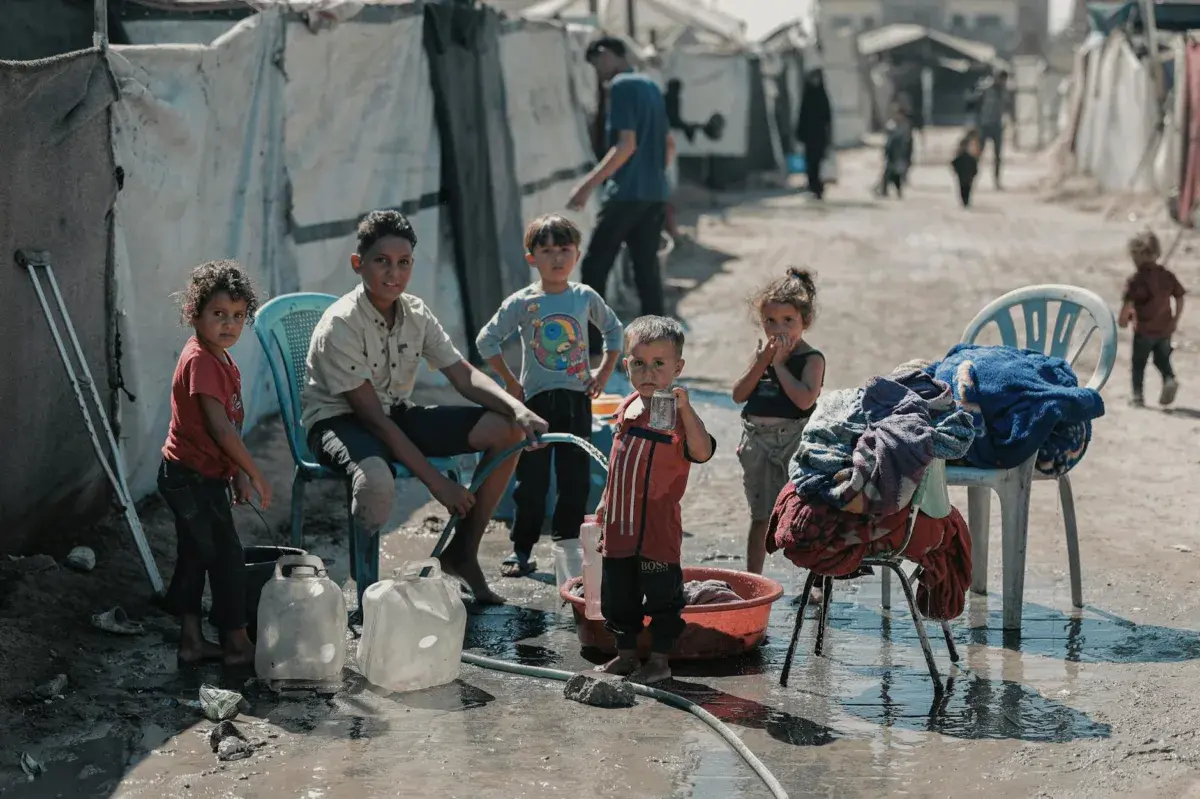
Displaced children living in makeshift refugee camps across the Gaza Strip are increasingly suffering from rat bites as sanitation infrastructure collapses under the weight of ongoing conflict. Local health officials and humanitarian aid organizations reported this week that the combination of overflowing waste, damaged sewage systems, and dense living conditions has created an environment where rodent populations are flourishing, posing an immediate physical threat to the most vulnerable inhabitants.
Context of the Infrastructure Failure
The collapse of Gaza’s municipal waste management and sanitation systems is a direct consequence of prolonged hostilities, which have left fuel and repair equipment inaccessible for local authorities. According to the United Nations Relief and Works Agency (UNRWA), the accumulation of solid waste in streets and near tent settlements has reached critical levels, exacerbated by the lack of clean water and functioning drainage systems. This environmental degradation has turned temporary shelters into breeding grounds for disease vectors.
The Direct Impact on Displaced Populations
In camps where thousands of families reside in overcrowded tents, the proximity of waste piles to sleeping areas has led to a surge in nocturnal incidents. Parents have documented numerous cases of young children sustaining bite wounds while they sleep, forcing families to remain awake in shifts to protect their children. Medical clinics, already struggling with limited supplies and overwhelmed staff, report that they are now treating secondary infections resulting from these bites, further straining an already broken healthcare network.
Expert Perspectives on Public Health
Public health experts warn that the presence of rodents in such high density is a precursor to larger epidemiological outbreaks. Dr. Aris Thorne, an infectious disease specialist, notes that rodents are known vectors for diseases such as leptospirosis, salmonella, and hantavirus. Without a coordinated effort to manage waste removal and provide pest control measures, the risk of a widespread communicable disease outbreak remains dangerously high.
Broader Implications for Regional Stability
The current situation underscores the severe limitations of humanitarian aid in an active combat zone, where even basic sanitation becomes an impossible logistical hurdle. For the international community, the crisis highlights the critical need for safe corridors to deliver sanitation equipment and medical supplies. If the sanitation crisis is left unaddressed, the secondary health impacts of the war may soon rival the physical trauma caused by the conflict itself.
Looking Ahead
Observers are now watching for any potential shift in humanitarian mandates that might prioritize sanitation infrastructure as a life-saving intervention. Future developments will depend heavily on the restoration of fuel supplies for municipal trucks and the ability of NGOs to distribute pest control resources. Failure to mitigate these conditions will likely lead to a further decline in the health metrics of the displaced population, with long-term consequences for the region’s overall public health security.