



Geopolitical Tensions Escalate in the Middle East
Former President Donald Trump publicly rejected a diplomatic proposal from Tehran aimed at de-escalating the ongoing conflict, signaling a continued hardline stance that has sent shockwaves through global energy markets. The announcement, made during a campaign rally late Tuesday, confirmed that the United States remains unsatisfied with Iran’s terms for ending regional hostilities, directly impacting navigation security in the Strait of Hormuz. As a critical chokepoint for global oil transit, the heightened uncertainty has caused crude oil futures to spike, reflecting investor fears of potential supply chain disruptions.
The Context of the Hormuz Standoff
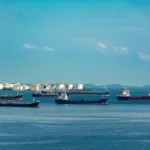
The Strait of Hormuz serves as the world’s most significant oil artery, with approximately 21 million barrels of petroleum passing through its narrow waters daily, according to the U.S. Energy Information Administration. For months, tensions have simmered between Washington and Tehran, characterized by maritime seizures, drone incursions, and aggressive naval posturing. The current impasse stems from a fundamental disagreement over nuclear non-proliferation and regional influence, leaving little room for the diplomatic breakthrough that international markets had hoped for.
Market Volatility and Economic Impact
Energy analysts observe that the market is reacting to the “risk premium” associated with the potential closure or restricted transit of the Strait. Brent crude prices surged by nearly 4% in early trading following the news of the rejected proposal. This volatility underscores the fragility of the global energy supply, which remains highly sensitive to any rhetoric originating from Washington or Tehran.
“The market is pricing in a worst-case scenario where the Strait becomes a theater of active conflict,” stated Sarah Jenkins, a senior commodities strategist at Global Energy Insights. Data from the International Energy Agency suggests that even a minor disruption in this region could trigger a sustained inflationary cycle for fuel prices worldwide, affecting everything from shipping costs to consumer goods.
Strategic Implications for Energy Security
The rejection of the Iranian proposal suggests that the U.S. strategy remains focused on maximum pressure rather than immediate diplomatic resolution. This approach forces regional allies, particularly those in the Gulf Cooperation Council, to bolster their own maritime security measures. Many nations are now re-evaluating their dependency on the Strait, with some accelerating investments in alternative pipeline infrastructure to bypass the volatile corridor entirely.
For the average reader, the fallout from this diplomatic deadlock will likely manifest at the gas pump in the coming weeks. As the risk of conflict remains elevated, shipping insurance premiums for vessels traversing the Persian Gulf have already begun to climb, a cost that is invariably passed down the supply chain.
Monitoring Future Developments
Looking ahead, market participants are keeping a close watch on the deployment of naval assets in the region and any subsequent statements from the U.S. Department of State. Observers expect that any further escalation in maritime activity or the imposition of new sanctions could trigger additional market turbulence. The coming days will be critical in determining whether a back-channel diplomatic effort can be salvaged or if the region is heading toward a more protracted period of instability.