



The Anatomy of a Quiet Blockade
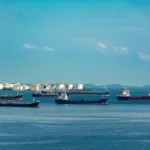
As of late 2024, an estimated 69 million barrels of Iranian crude oil remain stranded aboard a fleet of “ghost tankers” anchored in the Persian Gulf and near Asian shipping lanes, as a tightened U.S. naval enforcement strategy effectively chokes Tehran’s primary revenue stream. This campaign, coordinated by the U.S. Treasury and the Department of Defense, aims to enforce long-standing sanctions by intercepting illicit shipments before they reach key markets in East Asia. By increasing surveillance and pressuring regional port authorities, Washington is systematically isolating the Iranian energy sector from the global financial system.
Contextualizing the Ghost Fleet
Since the unilateral U.S. withdrawal from the Joint Comprehensive Plan of Action (JCPOA) in 2018, Iran has relied on a sophisticated “shadow fleet” of tankers—often aging vessels with disabled transponders—to bypass Western sanctions. These ships frequently engage in ship-to-ship transfers in international waters to mask the origin of their cargo, often blending Iranian crude with other regional oil. For years, this strategy allowed Iran to maintain export levels that defied U.S. projections. However, recent advancements in satellite imagery and maritime intelligence have shifted the balance of power, allowing U.S.-led coalitions to identify and track these vessels with unprecedented accuracy.
The Mechanics of Enforcement
The current strategy represents a departure from mere diplomatic posturing, moving toward active interdiction. U.S. naval assets, supported by regional partners, have increased their presence in the Strait of Hormuz, conducting routine inspections of vessels suspected of violating sanction protocols. According to data from Kpler, a commodity intelligence firm, the volume of Iranian oil sitting in floating storage has reached levels not seen since the height of the 2020 pandemic lockdowns. This buildup suggests that while Iran is producing oil, it is increasingly unable to find buyers willing to risk the legal and financial repercussions of violating U.S. maritime law.
Economic Ripples and Expert Analysis
Energy analysts note that the economic impact on Tehran is profound, as the inability to monetize these reserves exacerbates domestic inflation and currency depreciation. “The cost of maintaining a shadow fleet is astronomical when the cargo cannot be offloaded,” says Sarah Miller, a senior energy consultant at Global Maritime Watch. “Each day a tanker sits idle, the insurance premiums and maintenance costs erode the already razor-thin margins Iran accepts for its discounted crude.” Data from the Central Bank of Iran indicates that foreign exchange reserves are under renewed pressure, limiting the government’s ability to subsidize essential goods.
Implications for the Global Energy Market
For the global energy market, the stranded oil represents a localized supply disruption that keeps volatility high in the Middle East. While the market has largely absorbed the absence of these barrels due to increased production from non-OPEC nations, the blockade sets a precedent for how energy can be weaponized in modern geopolitical conflict. Industry observers are now watching to see if the U.S. will ramp up sanctions enforcement against the intermediaries, such as refineries in smaller Asian markets, that have historically served as the final destination for Iranian crude. If the U.S. continues to escalate its secondary sanctions, the “ghost fleet” may find itself permanently sidelined, forcing a fundamental shift in how Iran engages with the global economy.
Looking Ahead
The coming months will be critical as analysts monitor whether Tehran attempts to circumvent these blockades through new, more clandestine shipping routes or if the economic pressure forces a shift in diplomatic posture. Market participants should watch for shifts in insurance market data and satellite tracking of tanker movements in the South China Sea, which will serve as leading indicators for the effectiveness of the blockade.