





A Series of Aggressive Encounters
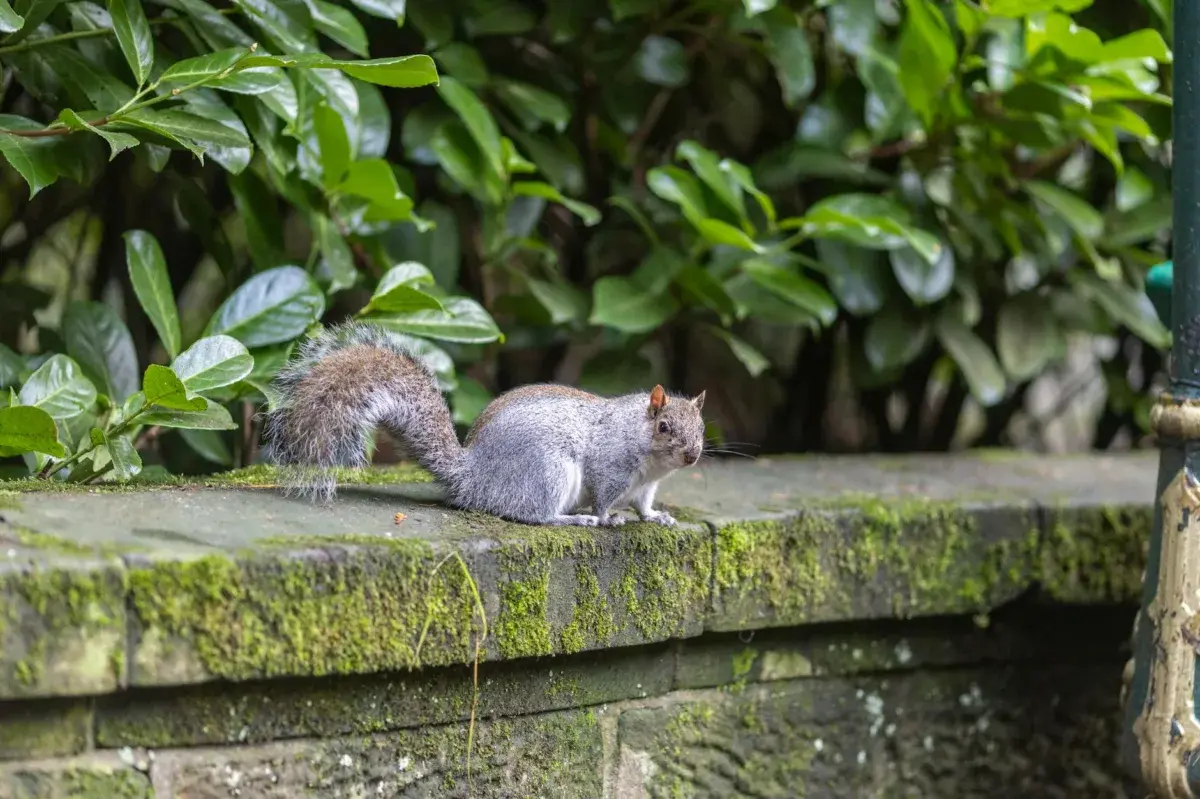
An unprecedented string of squirrel attacks has left 18 students and staff members injured at a college campus in Udaipur, India, over the past week, triggering widespread panic and a formal investigation into the rodent’s behavior. The incidents, which occurred across various campus buildings, have prompted local wildlife authorities to intervene as students report being bitten and scratched by a single, highly aggressive animal. While the motive behind the sudden spike in hostility remains unconfirmed, the campus community has been forced to alter daily routines to avoid further encounters.
Contextualizing Human-Wildlife Conflict
Urban wildlife experts suggest that such behavior in squirrels is rare but not entirely unprecedented, often linked to changes in habitat, food scarcity, or territorial defense. In recent years, rapid urbanization in regions like Udaipur has compressed the natural range of small mammals, forcing them into closer proximity with human populations. Animal behaviorists note that when animals lose their natural fear of humans—often due to consistent feeding—they may become emboldened, leading to defensive or aggressive interactions if they feel threatened or are seeking resources.
The Nature of the Attacks
Victims of the Udaipur incident described sudden, unprovoked lunges from the squirrel, with several individuals requiring medical attention for puncture wounds and scratches. The frequency of the attacks has led to a climate of apprehension, with many students opting to walk in groups or avoid wooded areas of the campus entirely. Local health officials have advised those bitten to seek immediate medical consultation to rule out potential infections or the unlikely transmission of rabies, though the latter is rare in squirrel populations.
Expert Perspectives and Observations
Wildlife biologist Dr. Rajesh Meena, who has been monitoring the situation, noted that the squirrel’s behavior indicates a potential underlying health issue or an extreme environmental stressor. “Aggression in such a small mammal is typically a stress response,” Dr. Meena explained. “Whether it is suffering from a neurological condition or is aggressively protecting a nest in a high-traffic area, the pattern is consistent with a defensive strike mechanism rather than predatory behavior.” Campus authorities are currently working with the Forest Department to safely trap and relocate the animal, ensuring that the intervention remains humane while prioritizing student safety.
Implications for Campus Safety
The events at the Udaipur college highlight a broader necessity for educational institutions to develop comprehensive wildlife management protocols. As academic campuses often feature lush greenery and food sources, they naturally attract wildlife, necessitating a balance between ecological preservation and the safety of the student body. For students and faculty, the incident serves as a stark reminder of the unpredictable nature of wildlife in shared urban spaces. Moving forward, observers should watch for the results of the forest department’s trapping efforts and potential changes to campus landscaping policies that may be implemented to discourage wildlife from nesting in high-traffic administrative and academic areas.