





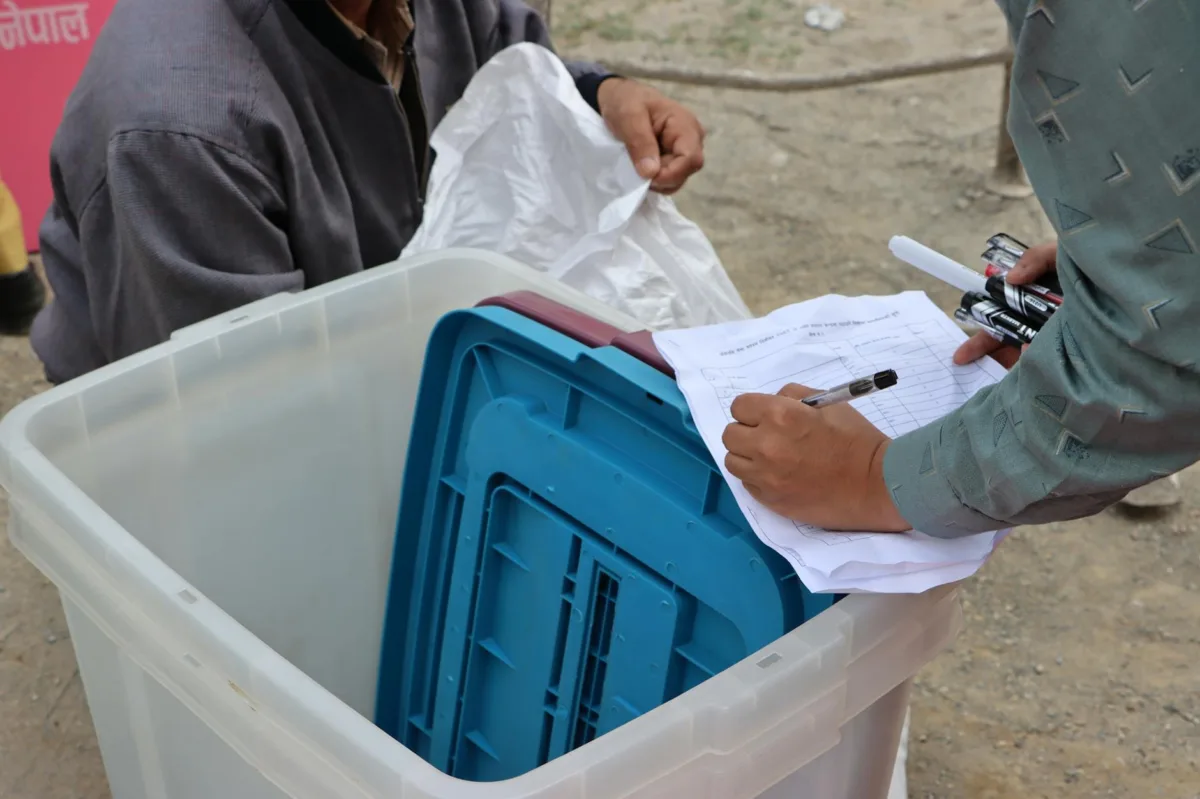
Counting for the 2026 Assembly elections in Assam, Kerala, Tamil Nadu, West Bengal, and Puducherry officially commenced today, May 4th, as election officials begin the process of tallying votes for 824 legislative seats. The results of this massive democratic exercise will determine the political trajectory of these five regions, shaping state-level governance and influencing the broader national political landscape.
Understanding the Electoral Landscape
These assembly elections represent a critical test for both incumbent state governments and national parties seeking to expand their reach. The voting process, which spanned several weeks, saw high voter turnout across diverse demographics, reflecting intense public engagement with regional issues ranging from economic development to social welfare policies.
The Election Commission of India has established robust security protocols at counting centers across all five regions. Officials are utilizing a centralized digital monitoring system to ensure transparency, with results expected to be declared progressively throughout the day as individual rounds of counting conclude.
Analyzing the Exit Poll Predictions
Data from various exit polls indicates a complex and potentially fragmented verdict in several key battlegrounds. Analysts point to particularly close contests in West Bengal and Kerala, where traditional political strongholds are facing significant challenges from shifting voter sentiments.
Conversely, polling data suggests a more decisive trend in other regions. Projections currently favor the Bharatiya Janata Party (BJP) to secure a majority in Assam, while the National Democratic Alliance (NDA) appears positioned to retain control in the Union Territory of Puducherry. These projections, while not definitive, provide a snapshot of the electorate’s current mood.
Expert Perspectives on Political Shifts
Political analysts note that these results reflect a growing trend of localized issues dictating voter behavior over national narratives. Dr. Anjali Mehta, a political scientist specializing in South Asian elections, suggests that regional identity remains a dominant force in states like Tamil Nadu, where historical party structures continue to hold significant sway.
Economic indicators and infrastructure development projects have featured prominently in campaign rhetoric this year. Voters have clearly signaled that their primary concerns involve inflation, local employment opportunities, and the efficacy of state-run social programs. The eventual seat tallies will indicate whether these specific policy platforms resonated effectively with the public.
Implications for the Future
The outcome of these elections will have immediate consequences for state cabinets and the legislative agenda for the next five years. A fragmented result in states like West Bengal could lead to complex coalition negotiations, potentially delaying the formation of new governments and the implementation of policy initiatives.
Market observers and industry leaders are monitoring the results closely to gauge the stability of the business environment in these key economic zones. Stable government formations are generally viewed as a positive signal for regional investment, while prolonged uncertainty could lead to short-term market volatility.
As the day progresses, stakeholders should watch for shifts in lead margins in the later rounds of counting, which often reveal the true depth of support in rural versus urban constituencies. The final seat distribution will ultimately redefine the power balance within the national legislative framework, setting the stage for subsequent political developments leading into the next national election cycle.