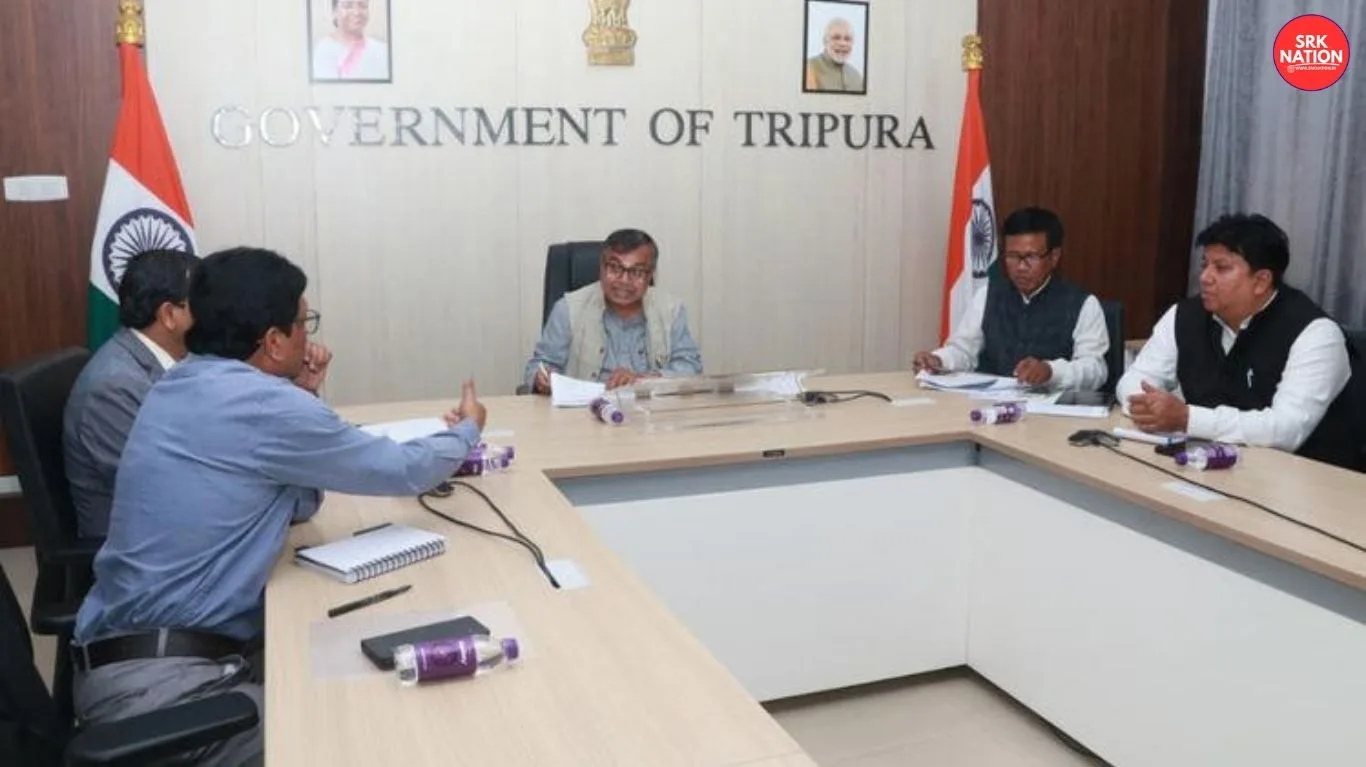






The government of Tripura has approved the establishment of a mushroom spawn production unit worth Rs 1.07 crore in West Tripura, marking a significant step toward agricultural diversification, rural employment generation, and sustainable farming practices. The project is expected to boost mushroom cultivation across the state, providing farmers with new income opportunities and strengthening Tripura’s position in India’s growing agri-business sector.
Background of the Initiative
- Mushroom cultivation has emerged as a profitable and sustainable agricultural practice in India, offering high nutritional value and strong market demand.
- Tripura, with its favorable climatic conditions, has identified mushroom farming as a key area for agricultural diversification.
- The newly approved spawn production unit will serve as a hub for producing high-quality mushroom seeds (spawn), ensuring consistent supply to farmers.
- The project aligns with the state’s vision of promoting modern farming techniques, enhancing food security, and creating rural employment.
Key Highlights
| Indicator | Details |
|---|---|
| Project | Mushroom spawn production unit |
| Location | West Tripura |
| Investment | Rs 1.07 crore |
| Objective | Boost mushroom cultivation, farmer income, rural employment |
| Broader Impact | Agricultural diversification and sustainable farming |
Benefits vs Challenges of Mushroom Spawn Unit
| Factor | Benefits | Challenges | Implication |
|---|---|---|---|
| Farmer Income | Higher returns from mushroom sales | Need for training | Improves livelihoods |
| Employment | Rural job creation | Limited awareness | Reduces migration |
| Nutrition | Promotes healthy food | Requires consumer education | Enhances food security |
| Market Demand | Growing domestic and export demand | Price fluctuations | Expands agri-business |
| Sustainability | Low land requirement, eco-friendly | Infrastructure needs | Supports climate resilience |
Why This Story Matters
- Economic Growth: Mushroom farming offers high profitability compared to traditional crops.
- Rural Development: Creates employment opportunities in villages, reducing urban migration.
- Nutritional Security: Mushrooms are rich in protein, vitamins, and minerals, supporting public health.
- Sustainability: Mushroom cultivation requires minimal land and water, making it eco-friendly.
- Policy Alignment: Reflects Tripura’s commitment to agricultural modernization and diversification.
Impact on Farmers
- Farmers in West Tripura and surrounding districts will gain access to high-quality spawn, ensuring better yields.
- Mushroom cultivation offers quick returns, with crops ready for harvest in weeks compared to months for traditional crops.
- The project will provide training and technical support, enabling farmers to adopt modern cultivation practices.
- Increased income from mushroom sales will improve rural livelihoods and reduce dependence on traditional farming.
Employment Generation
- The spawn production unit will create direct employment opportunities for skilled and semi-skilled workers.
- Indirect jobs will be generated in areas such as packaging, distribution, and marketing.
- Women and youth are expected to benefit significantly, as mushroom farming requires less physical labor compared to other crops.
- The project will contribute to reducing rural unemployment and migration to cities.
Nutritional and Health Benefits
- Mushrooms are a rich source of protein, dietary fiber, vitamins (B-complex, D), and minerals (selenium, potassium).
- They are low in fat and cholesterol, making them ideal for healthy diets.
- Promoting mushroom consumption can help address nutritional deficiencies in rural and urban populations.
- The project aligns with broader public health goals of encouraging balanced diets.
Market Potential
- Domestic demand for mushrooms is rising due to changing dietary preferences and awareness of health benefits.
- Export opportunities exist in neighboring countries and global markets.
- The spawn production unit will ensure consistent supply, enabling farmers to meet growing demand.
- Value-added products such as mushroom powder, pickles, and snacks can further expand market opportunities.
Expert Opinions
- Agricultural Analysts: Highlight the profitability and sustainability of mushroom farming.
- Economists: Emphasize the role of agri-business in boosting rural incomes.
- Nutritionists: Stress the importance of mushrooms in addressing protein deficiencies.
- Policy Experts: Note that the project reflects Tripura’s proactive approach to agricultural diversification.
Challenges Ahead
- Training Needs: Farmers require technical knowledge for successful mushroom cultivation.
- Infrastructure: Cold storage and distribution networks must be developed.
- Market Fluctuations: Prices may vary depending on demand and supply.
- Consumer Awareness: Efforts needed to promote mushroom consumption in rural areas.
- Sustainability: Ensuring long-term viability of the project through continuous support.
Opportunities for Tripura
- Agri-Business Growth: Position Tripura as a hub for mushroom production.
- Export Potential: Explore international markets for mushrooms and spawn.
- Women Empowerment: Encourage women-led mushroom farming enterprises.
- Innovation: Develop value-added mushroom products for diverse markets.
- Climate Resilience: Promote eco-friendly farming practices to combat climate change.
Broader Context of Agricultural Diversification
- India is increasingly focusing on diversifying agriculture to reduce dependence on traditional crops.
- Mushroom farming is part of this strategy, offering high returns and sustainability.
- Tripura’s initiative reflects the state’s alignment with national agricultural modernization goals.
- The project contributes to food security, rural development, and economic growth.
Sectoral Breakdown of Impact
| Sector | Impact | Strategic Importance |
|---|---|---|
| Agriculture | Diversification | Boosts farmer income |
| Employment | Job creation | Reduces rural migration |
| Nutrition | Healthy food | Supports public health |
| Economy | Market expansion | Strengthens agri-business |
| Sustainability | Eco-friendly farming | Enhances climate resilience |
Media Coverage
- Headlines emphasized Tripura’s approval of the Rs 1.07 crore mushroom spawn unit.
- Analysts debated the potential impact on farmers and rural development.
- Coverage highlighted the nutritional and economic benefits of mushroom farming.
- The story continues to dominate discussions in agricultural and policy circles.
Conclusion
The approval of a Rs 1.07 crore mushroom spawn production unit in West Tripura marks a transformative step for the state’s agricultural sector. By promoting mushroom cultivation, the project will boost farmer incomes, create rural employment, and enhance nutritional security. While challenges remain in terms of training, infrastructure, and market awareness, the opportunities for growth and sustainability are immense. Tripura’s initiative reflects a forward-looking approach to agricultural diversification, positioning the state as a leader in eco-friendly and profitable farming practices.
Disclaimer
This article is intended for informational purposes only and does not constitute financial or agricultural advice. Policy decisions, project outcomes, and market conditions are subject to change based on evolving circumstances. Readers are encouraged to follow official updates for accurate information. The author and publisher are not responsible for any decisions made based on this article.