



New Maritime Directives in the Persian Gulf
The Iranian government officially announced a series of new maritime regulations for the Strait of Hormuz this week, a move that directly challenges the ongoing U.S.-led naval presence in the region. Tehran officials stated that these protocols are intended to monitor all vessels passing through the vital chokepoint, effectively asserting greater control over a waterway that handles roughly 20% of the world’s daily oil consumption. This policy shift occurs as the United States continues to refuse requests to lift its long-standing naval blockade and patrol operations, intensifying a geopolitical standoff that has simmered for decades.
The Strategic Significance of the Strait
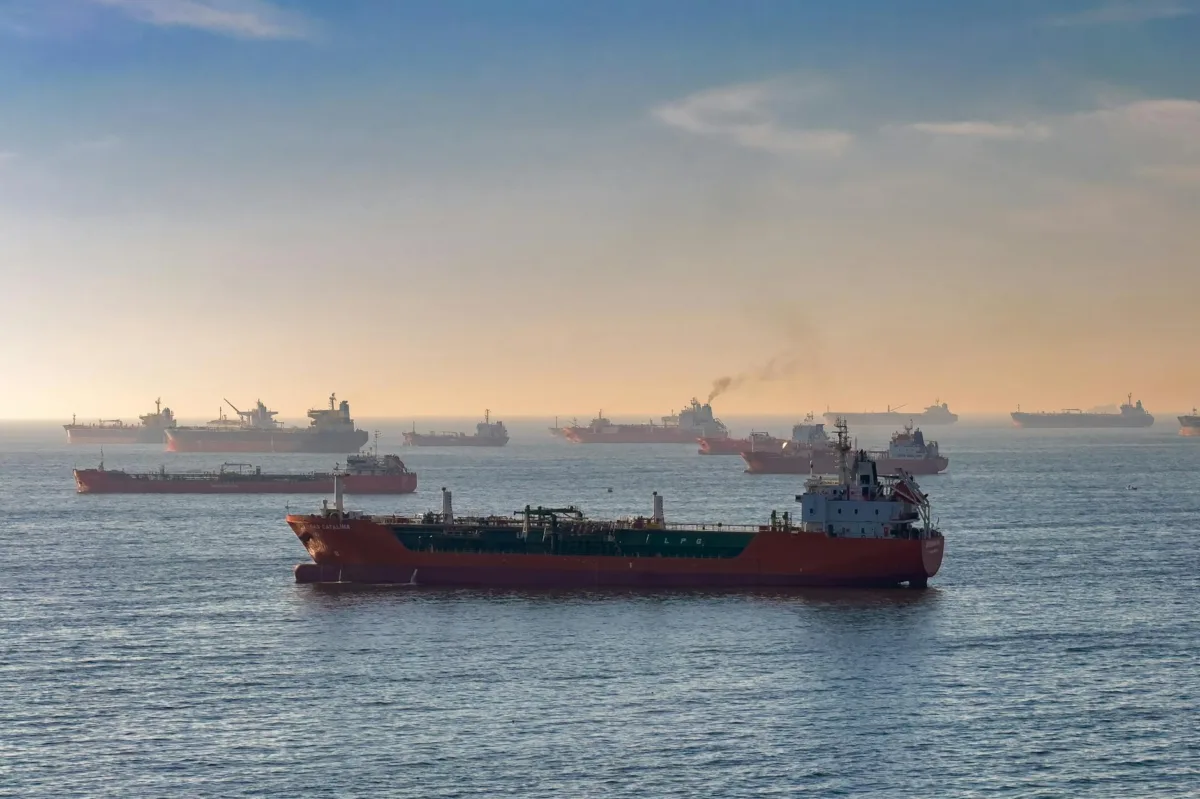
The Strait of Hormuz serves as the primary maritime artery for the global energy market, connecting the oil-rich Persian Gulf to the Arabian Sea and the Indian Ocean. For years, the U.S. Navy’s Fifth Fleet has maintained a consistent presence in the area to ensure the free flow of commerce and protect regional allies. Iran, however, has frequently criticized this presence as an act of foreign aggression and a threat to its national security, often using the waterway as a focal point for military drills and diplomatic posturing.
Escalating Tensions and Operational Changes
Under the new rules, Iran’s Revolutionary Guard Corps (IRGC) Navy has signaled its intent to perform closer inspections and increased signal monitoring of commercial vessels. Experts observe that this policy represents an attempt to normalize Iranian intervention in international shipping lanes. The U.S. Department of Defense has responded by reaffirming its commitment to maritime security, stating that international law guarantees the right of transit passage through the strait. The refusal to yield to Iranian demands suggests that Washington is prioritizing the status quo over de-escalation, fearing that any concession could be interpreted as weakness.
Expert Analysis of Regional Stability
Maritime security analysts indicate that these new rules could lead to an increase in “gray zone” activities—tactics that fall below the threshold of open conflict but create significant friction. According to the International Maritime Bureau, there has been a steady rise in incidents involving vessels being harassed or intercepted in the Middle East over the last eighteen months. Dr. Elena Rossi, a senior fellow at the Maritime Institute, notes that “the introduction of unilateral regulations by a regional power complicates the already fragile legal landscape of the Strait, creating a higher risk of miscalculation between naval commanders on the ground.”
Industry and Global Implications
For the global shipping industry, the uncertainty surrounding these new protocols presents an immediate challenge. Marine insurance premiums for tankers transiting the Persian Gulf have already begun to reflect the heightened risk environment, with some underwriters increasing their rates by as much as 15% this quarter. Major energy companies are currently reviewing their logistical routes, though few alternatives exist for the volume of crude oil moving through the narrow passage. The disruption of these routes would have a direct, inflationary impact on global energy prices, affecting markets from Europe to East Asia.
Looking Ahead: Monitoring the Chokepoint
Observers are now watching for how the U.S. Navy will adjust its escort missions in response to the increased Iranian activity. Diplomatic channels remain strained, and the potential for a localized maritime incident to escalate into a broader regional conflict remains a primary concern for international stakeholders. Future developments will likely depend on whether Iran attempts to enforce these rules with kinetic force or if the announcements remain largely performative. Regardless, the Strait of Hormuz remains the most critical flashpoint in global energy security, where any change in the status quo carries immediate, worldwide consequences.