


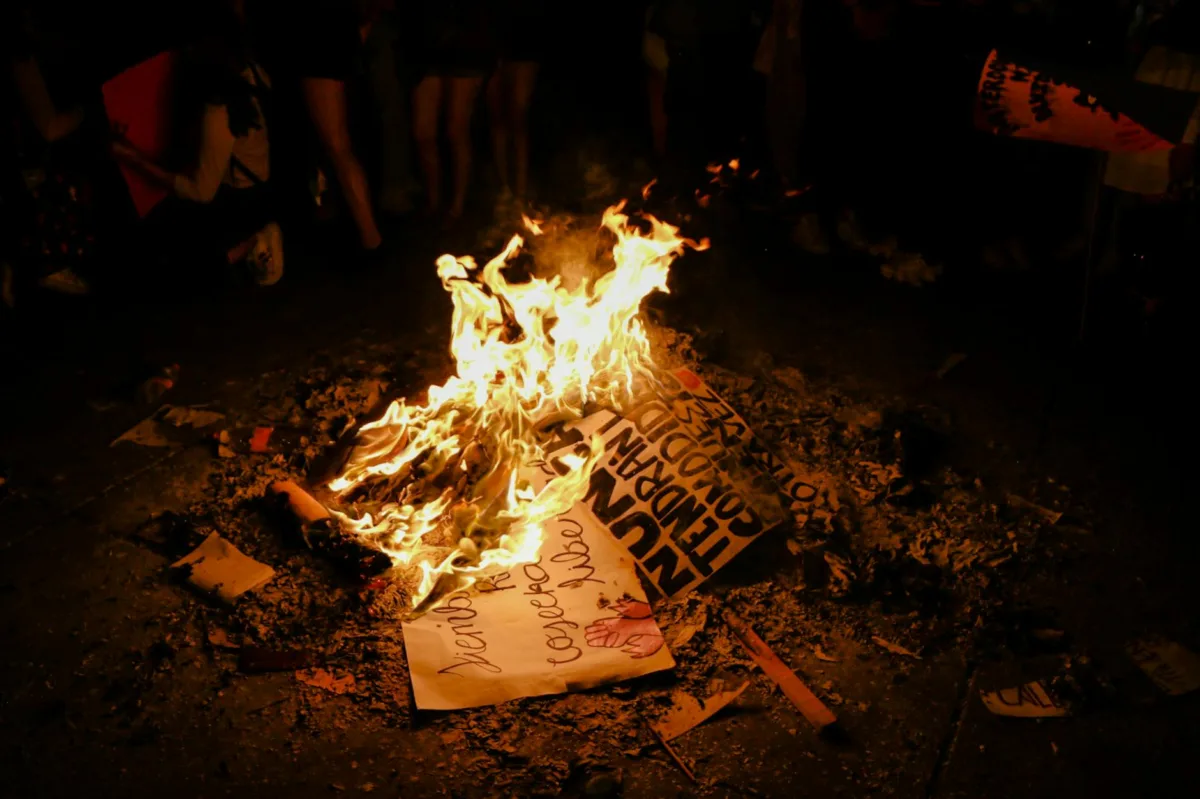
Members of the regional political group Amra Bangali staged a public protest in Tripura this week, burning an effigy of former Chief Minister Manik Sarkar to express grievances regarding his administration’s historical handling of armed tribal insurgency. The demonstration, held in the state capital of Agartala, serves as a sharp critique of the Left Front government’s security policies during its tenure, which spanned from 1998 to 2018.
Historical Context of Insurgency in Tripura
For decades, Tripura faced significant internal security challenges characterized by ethnic tensions and armed militancy. During the peak of the insurgency, various militant groups operated within the state, often targeting civilians and security personnel alike, leading to a complex socio-political landscape that defined the state’s development trajectory for over two decades.
The Left Front government, led by Manik Sarkar for two decades, frequently faced criticism from opposition groups regarding the efficacy of its counter-insurgency operations. Critics have long argued that the state administration was either unable or unwilling to take decisive measures against specific insurgent factions, a claim that the Left Front consistently denied during its time in power.
Details of the Protest and Allegations
The Amra Bangali organization, which advocates for the interests of the Bengali-speaking population in the region, utilized the effigy burning as a symbolic act of defiance. Protesters cited specific instances of violence from the late 1990s and early 2000s, alleging that the administration failed to provide adequate protection to vulnerable communities during periods of heightened militant activity.
“The failure of the previous government to curb the menace of armed insurgency led to the displacement and suffering of thousands,” a spokesperson for the organization stated during the rally. The group demanded a formal review of the security lapses that occurred during the tenure of the former Chief Minister, arguing that the historical record needs to be reassessed in light of the trauma experienced by affected families.
Expert Perspectives and Data
Political analysts suggest that the resurgence of these historical grievances is part of a broader trend in Tripura’s post-2018 political landscape. As the state moves further from the era of Left dominance, various groups are increasingly using public platforms to address unresolved narratives regarding ethnic conflict and state governance.
Data from the South Asia Terrorism Portal (SATP) indicates that while insurgency-related violence in Tripura has significantly declined since the mid-2000s, the social fabric remains sensitive to ethnic discourse. Security experts emphasize that the transition from militant activity to stable governance involved complex peace accords, yet the perception of past administrative failure remains a potent tool for political mobilization.
Implications for Local Politics
The protest signals an intensifying effort by regionalist groups to shape the historical narrative of the state. By targeting the legacy of a prominent figure like Manik Sarkar, these organizations aim to influence current political debates and secure a stronger foothold among voters who remain dissatisfied with the state’s historical handling of ethnic tensions.
Moving forward, observers should monitor how these historical accusations impact the state’s upcoming political discourse and whether the current administration chooses to address these demands for accountability. The durability of such protests will likely depend on the mobilization capacity of regional groups and the extent to which the public remains invested in re-litigating the security challenges of the past two decades.