




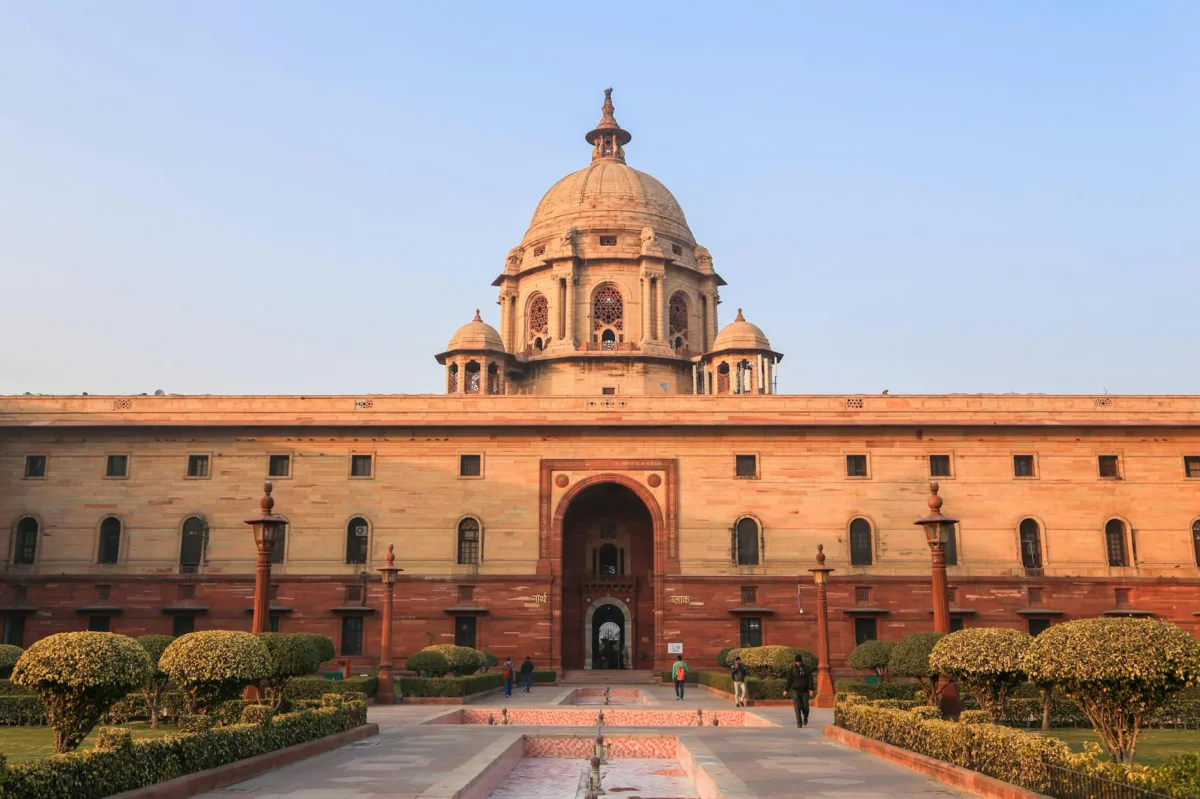
Newly elected members of the Tripura Tribal Areas Autonomous District Council (TTAADC) were sworn into office this week in Khumulwng, as political friction between the ruling Bharatiya Janata Party (BJP) and the regional Tipra Motha party intensifies across the state. The ceremony, held under tight security, marks a critical juncture for governance in the tribal-dominated regions of Tripura, following a highly contested electoral cycle that saw significant shifts in regional power dynamics.
The Evolving Political Landscape in Tripura
The TTAADC holds substantial administrative authority over more than two-thirds of Tripura’s geographical area, making it a crucial focal point for regional politics. Historically, the council has served as a platform for indigenous rights and socio-economic development, but recent years have seen it become the epicenter of a struggle between national party agendas and regional aspirations.
The rise of the Tipra Motha, led by Pradyot Bikram Manikya Debbarma, has redefined the political narrative by prioritizing the ‘Greater Tipraland’ demand. This push has placed the party in direct opposition to the BJP-led state government, which maintains that regional development is best achieved through national integration rather than separate territorial or administrative frameworks.
Tensions and Legislative Challenges
Observers note that the swearing-in ceremony was underscored by mutual accusations of intimidation and administrative interference. While the Tipra Motha secured a decisive mandate in the ADC polls, local party leaders have frequently alleged that the state government has attempted to curtail the council’s financial autonomy and legislative reach.
Data from the State Election Commission indicates that voter turnout in the ADC regions reached record highs, reflecting a growing political awareness among indigenous communities. However, this increased participation has also led to heightened scrutiny of the relationship between the autonomous council and the Tripura Legislative Assembly.
Expert Perspectives on Regional Autonomy
Political analysts suggest that the current impasse stems from conflicting interpretations of the Sixth Schedule of the Indian Constitution. Dr. Anirban Das, a researcher specializing in Northeast Indian governance, notes that the constitutional framework for autonomous councils is often tested when regional parties challenge the centralized planning models preferred by national parties.
According to recent reports from the Ministry of Tribal Affairs, the effectiveness of autonomous councils often hinges on the cooperation between local administrators and state-level ministries. In the case of Tripura, the lack of a collaborative framework has stalled several infrastructure projects, leaving residents in the ADC areas caught between competing political jurisdictions.
Implications for Future Governance
The current state of affairs suggests a prolonged period of political maneuvering as both parties prepare for future electoral battles. For the residents of the TTAADC, the immediate concern remains the delivery of essential services, including healthcare, education, and road connectivity, which have remained stagnant during the recent political volatility.
Market watchers and policy experts are now monitoring the state budget sessions to see if the government will allocate the requested financial provisions to the ADC. Future developments will likely depend on whether the state government opts for a policy of accommodation or continues its strategy of containment. Observers should watch for upcoming legislative sessions in Agartala, where the debate over the ADC’s financial autonomy is expected to reach a boiling point, potentially forcing a judicial intervention if the deadlock persists.