

The Urban Sanctuary of Tehran
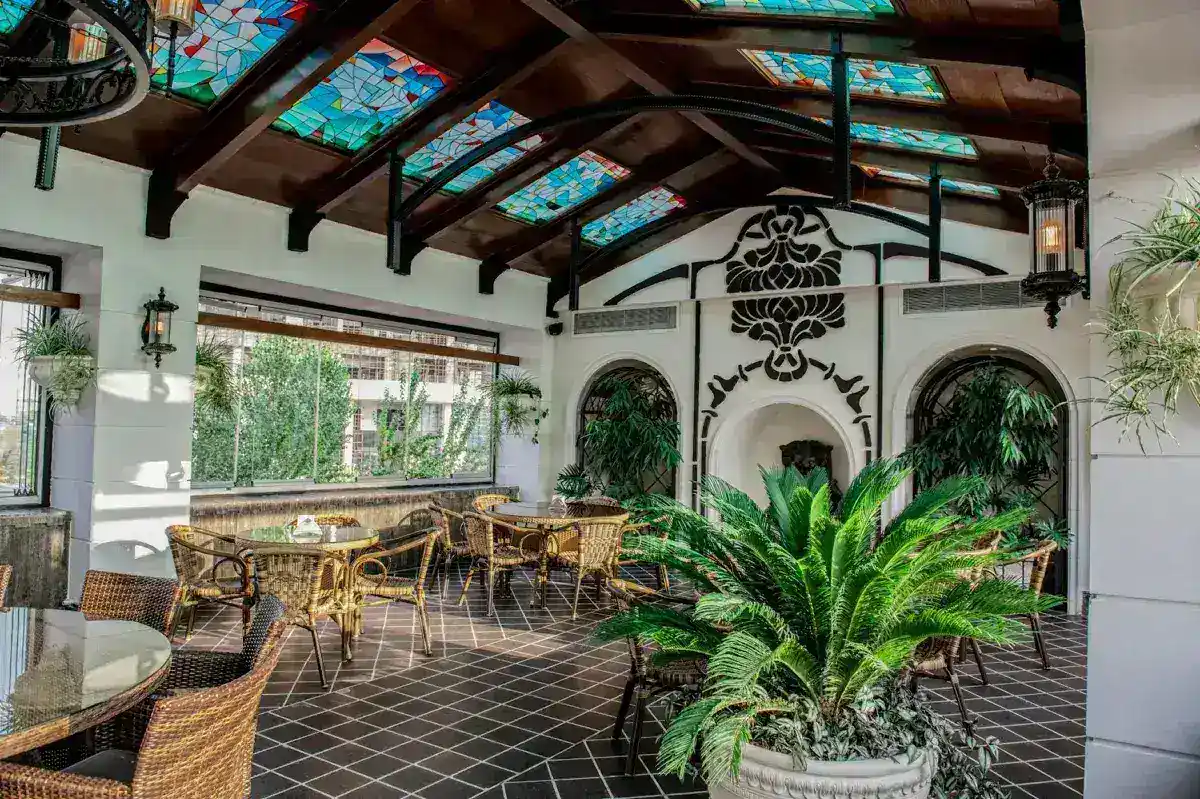
In the bustling urban landscape of Tehran, a growing number of Iranians are flocking to cafes and coffee shops as the geopolitical climate remains tense and economic instability persists. These establishments have evolved into vital communal hubs where citizens gather to discuss the rising cost of living, anxieties regarding regional conflict, and their personal aspirations for the future.
As the specter of war looms over the Middle East, the physical spaces of neighborhood cafes offer a rare reprieve for a population grappling with hyperinflation and social uncertainty. Throughout 2024, data from local consumer trends indicates a consistent uptick in cafe patronage, even as household budgets tighten, signaling a deep-seated need for social connection.
A Refuge from Economic Hardship
For many Iranians, the local coffee shop provides an affordable alternative to traditional entertainment, which has become increasingly inaccessible due to currency devaluation. These venues serve as informal town squares where students, professionals, and retirees congregate to escape the isolation of their daily routines.
Economic analysts point to the ‘lipstick effect’—a phenomenon where consumers prioritize small, affordable indulgences during economic downturns—as a primary driver for this trend. By spending a modest amount on a cup of coffee, patrons secure hours of social interaction in a climate-controlled, safe environment.
The Weight of Geopolitical Uncertainty
The conversation within these walls often shifts from personal struggles to the broader geopolitical situation. With regional tensions escalating, the coffee shop serves as a barometer for public sentiment, reflecting both a weariness toward conflict and a profound anxiety about the long-term consequences of war.
Sociologists observe that these spaces act as a buffer against the stress of state-sanctioned narratives and media saturation. In these private-public spheres, individuals feel emboldened to voice concerns that might otherwise remain suppressed, fostering a sense of solidarity among strangers.
Expert Insights on Social Cohesion
“These cafes are not merely businesses; they are essential infrastructure for mental health and social cohesion,” says Dr. Hamid Reza, a social researcher based in Tehran. He notes that the survival of these businesses despite economic volatility underscores their importance to the social fabric.
Market research suggests that coffee shop owners are adapting to these pressures by offering extended hours and communal seating arrangements. These adjustments facilitate the influx of patrons who are seeking not just caffeine, but a sense of normalcy in an increasingly volatile environment.
Implications for the Future
The reliance on these third spaces suggests that if economic conditions continue to deteriorate, the demand for accessible, low-cost social venues will likely grow. Observers are now watching to see if these spaces will remain politically neutral or if they will become increasingly central to the discourse of a restless generation.
Looking ahead, the longevity of this trend depends heavily on the stability of the local currency and the intensity of regional conflict. Market analysts will be monitoring whether these cafes can maintain their role as sanctuaries or if the mounting economic pressure will eventually force a contraction in this vital social sector.