







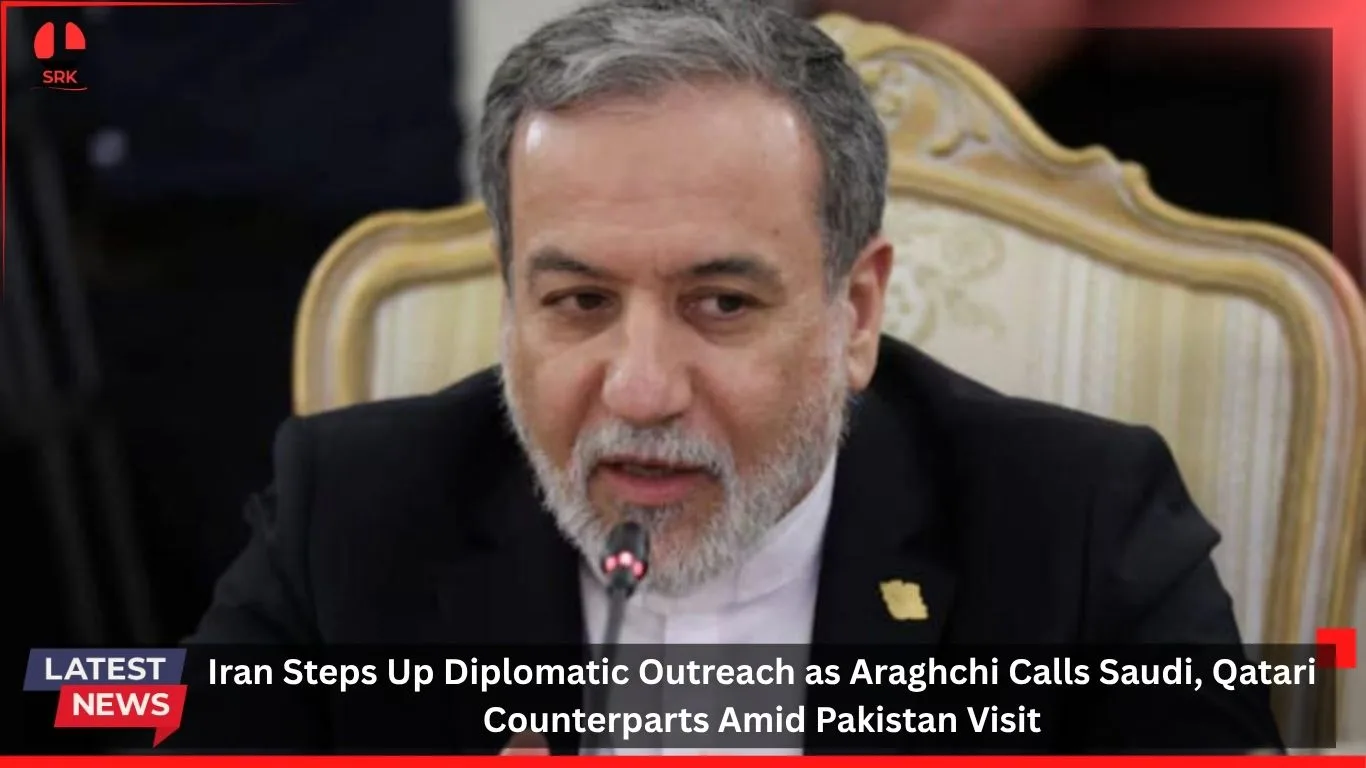
Iran has intensified its diplomatic efforts in West Asia, with Deputy Foreign Minister Abbas Araghchi holding crucial conversations with his Saudi and Qatari counterparts while on an official visit to Pakistan. The outreach underscores Tehran’s attempt to balance regional tensions, strengthen bilateral ties, and position itself as a key player in shaping the future of Middle Eastern diplomacy.
Key Highlights
- Saudi and Qatari Engagements: Araghchi’s calls to Riyadh and Doha signal Iran’s intent to maintain dialogue despite regional rivalries.
- Pakistan Visit: His trip to Islamabad focused on enhancing cooperation in trade, energy, and border security.
- Regional Strategy: Iran is seeking to expand its diplomatic footprint amid shifting alliances and ongoing conflicts.
- Geopolitical Context: The outreach comes at a time of heightened tensions in the Strait of Hormuz and broader West Asian instability.
Comparative Analysis of Iran’s Diplomatic Moves
| Country | Engagement Focus | Strategic Importance | Recent Developments |
|---|---|---|---|
| Saudi Arabia | Security, regional stability | High | Dialogue after years of rivalry |
| Qatar | Energy, mediation role | Moderate | Cooperation on gas and diplomacy |
| Pakistan | Trade, border security | High | Strengthening bilateral ties |
| China | Economic partnership | Very High | Belt and Road cooperation |
| Russia | Military and energy ties | High | Coordination in Syria |
This table highlights Iran’s multi-pronged approach, balancing regional and global partnerships.
Expert Opinions
Diplomatic analysts suggest that Araghchi’s outreach reflects Iran’s recognition of the need for dialogue in a region fraught with rivalries. Engaging Saudi Arabia and Qatar simultaneously demonstrates Tehran’s pragmatic approach, while the Pakistan visit reinforces its eastern flank. Experts believe Iran is attempting to reduce isolation and counterbalance Western pressure through regional alliances.
Public and Regional Reactions
- Saudi Perspective: Observers in Riyadh see the outreach as cautious but necessary, given regional security concerns.
- Qatari View: Doha welcomes Iran’s engagement, aligning with its role as a mediator in regional disputes.
- Pakistani Response: Islamabad has expressed optimism about strengthening ties, particularly in energy cooperation.
- Regional Citizens: Public opinion remains divided, with some hopeful about reduced tensions and others skeptical of long-term outcomes.
Historical Context
Iran’s diplomatic history in West Asia has often been shaped by rivalry with Saudi Arabia and cooperation with Qatar. The recent thaw in Saudi-Iran relations, facilitated by external mediation, has opened new avenues for dialogue. Pakistan has historically played a balancing role, maintaining ties with both Iran and Gulf states.
Challenges Ahead
- Geopolitical Rivalries: Deep-rooted mistrust between Iran and Saudi Arabia could limit progress.
- Energy Competition: Overlapping interests in oil and gas markets may complicate cooperation.
- Security Concerns: Border tensions and regional conflicts remain unresolved.
- Global Pressures: Sanctions and Western policies continue to constrain Iran’s diplomatic flexibility.
Future Outlook
Iran’s diplomatic outreach is expected to continue, with greater emphasis on regional dialogue and economic cooperation. Analysts predict that Tehran will leverage its ties with Pakistan, Saudi Arabia, and Qatar to strengthen its position in West Asia, while also deepening partnerships with global powers like China and Russia.
Conclusion
Araghchi’s calls to Saudi and Qatari counterparts, combined with his Pakistan visit, highlight Iran’s renewed push for regional diplomacy. By engaging multiple stakeholders, Tehran aims to reduce tensions, expand cooperation, and assert its role as a central player in West Asia’s evolving geopolitical landscape. The success of this outreach will depend on sustained dialogue, trust-building, and the ability to navigate complex rivalries.
Disclaimer
This article is a geopolitical news analysis created for informational and educational purposes. It is based on expert opinions, historical context, and publicly available information. The content does not represent official statements from governments, institutions, or individuals. Readers are advised to consult multiple sources for a comprehensive understanding of the subject.