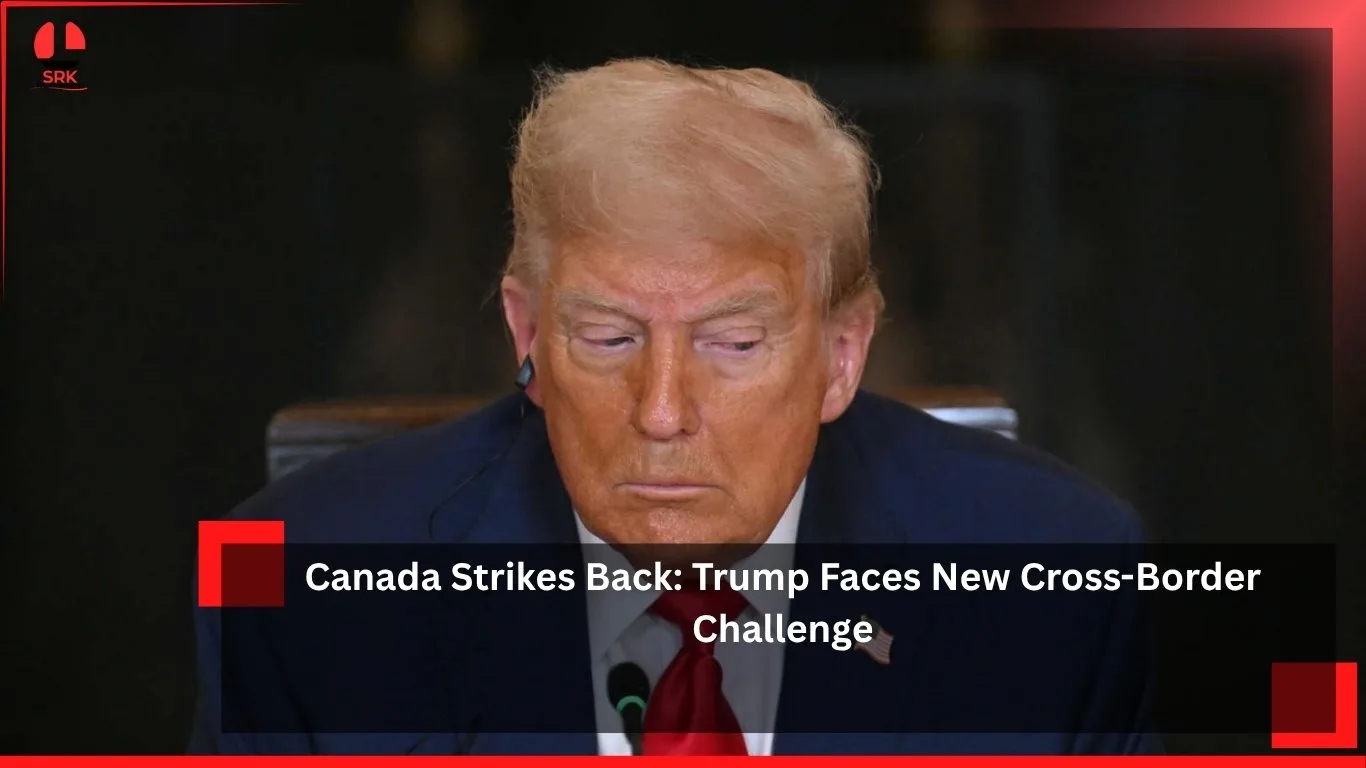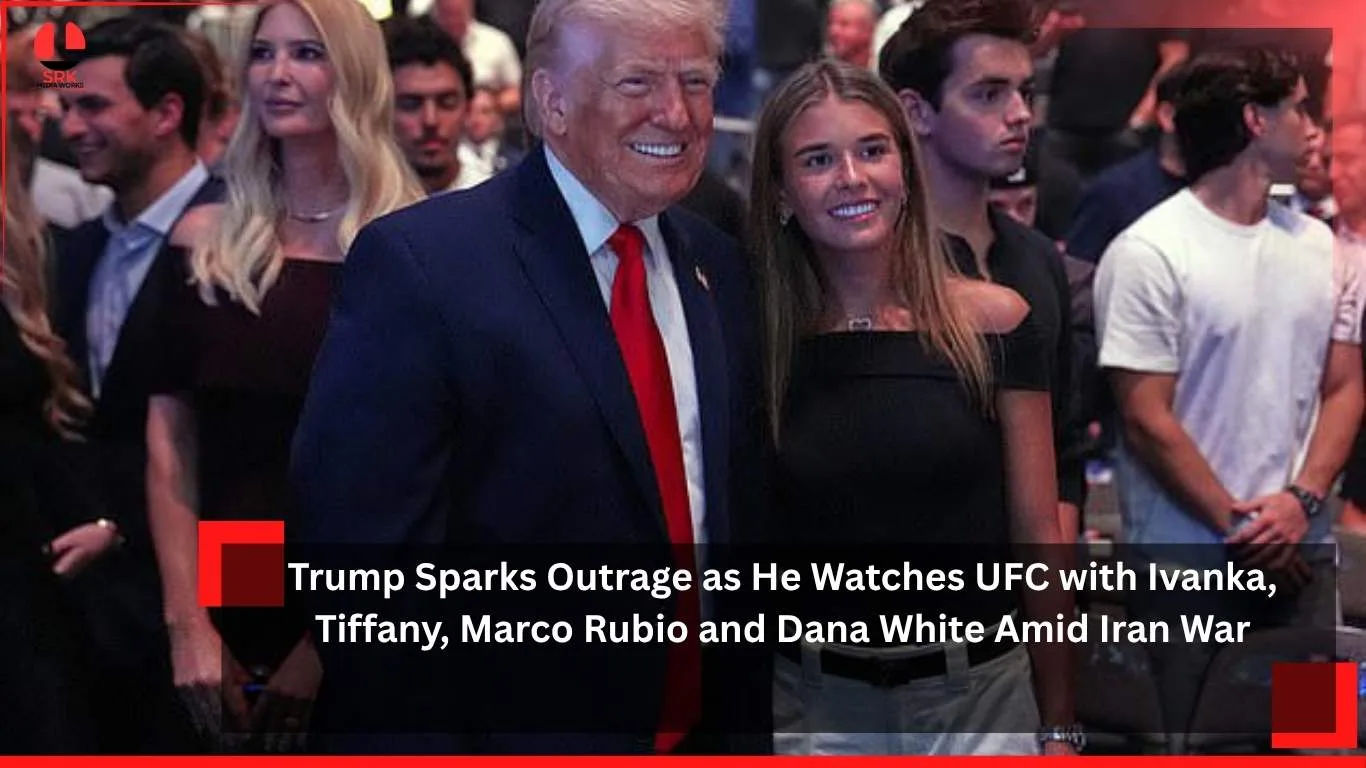

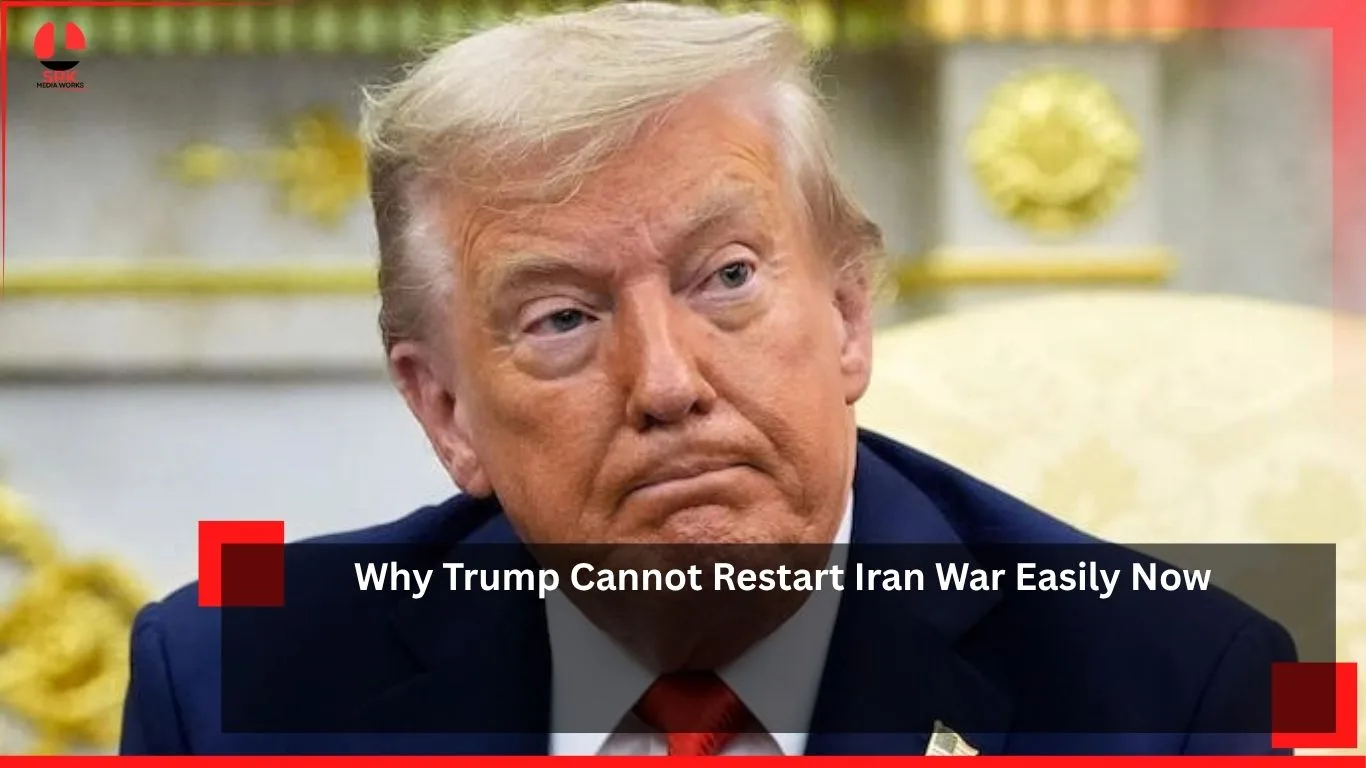
Former US President Donald Trump, who has returned to power, faces significant challenges in attempting to restart hostilities with Iran. Despite his earlier confrontational stance, the geopolitical, economic, and military realities of 2026 make it far more difficult to reignite a war in the Middle East. Analysts point to a combination of international diplomacy, domestic constraints, and Iran’s evolving regional position as key reasons why a military escalation is not easily achievable.
Changing Geopolitical Landscape
1. Strengthened Iran-China-Russia Axis
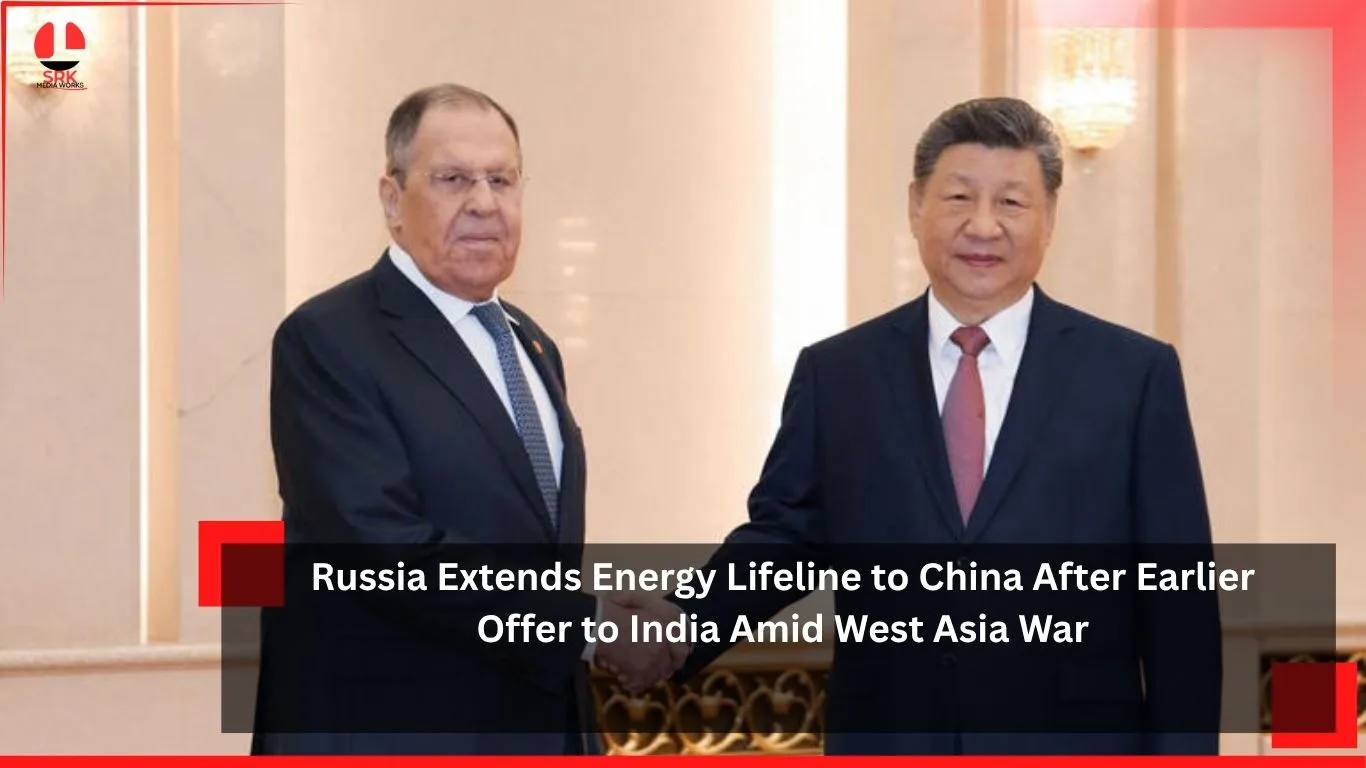
Iran has deepened its ties with China and Russia, creating a powerful counterbalance to US influence. Beijing’s Belt and Road Initiative and Moscow’s military cooperation have given Tehran new leverage, making unilateral US action riskier.
2. Global Energy Dependencies
With global energy markets still volatile, any war involving Iran could disrupt oil supplies, leading to economic shocks worldwide. The US, now more cautious about inflation and energy prices, cannot afford such instability.
3. Regional Diplomacy
Middle Eastern states, including Saudi Arabia and the UAE, have cautiously improved ties with Iran. A US-led war could fracture these new diplomatic efforts, undermining regional stability.
Domestic Constraints in the US
- War Fatigue: After decades of conflicts in Iraq and Afghanistan, American public opinion strongly resists another prolonged war.
- Economic Priorities: The US economy is focused on recovery and technological competition with China, leaving little appetite for costly military campaigns.
- Congressional Oversight: Lawmakers are increasingly skeptical of executive-led wars without clear authorization, limiting Trump’s ability to act unilaterally.
Iran’s Military and Strategic Position
Iran has significantly advanced its missile and drone capabilities, making any military strike costly for US forces and allies. Its influence in Iraq, Syria, Lebanon, and Yemen ensures that a war would not be confined to Iran alone but spread across the region.
Comparative Overview of Constraints
| Factor | 2003 Iraq War | Potential Iran War (2026) |
|---|---|---|
| Global Alliances | US-led coalition | Fragmented, strong Iran-China-Russia ties |
| Domestic Support | High post-9/11 unity | Low, war fatigue |
| Energy Market | Stable | Volatile, risk of oil shock |
| Military Risk | Conventional war | Asymmetric warfare, regional escalation |
This comparison shows why restarting a war with Iran is far more complex today than past US interventions.
Pivot Analysis: War vs. Diplomacy
| Scenario | Security Impact | Economic Impact | Diplomatic Impact |
|---|---|---|---|
| Renewed War | Regional instability, proxy conflicts | Oil shock, inflation | US isolation |
| Continued Diplomacy | Managed tensions | Stable markets | Multilateral cooperation |
The pivot analysis highlights how diplomacy offers more sustainable outcomes compared to war.
International Reactions
- European Union: Strongly opposed to renewed conflict, urging dialogue and adherence to nuclear agreements.
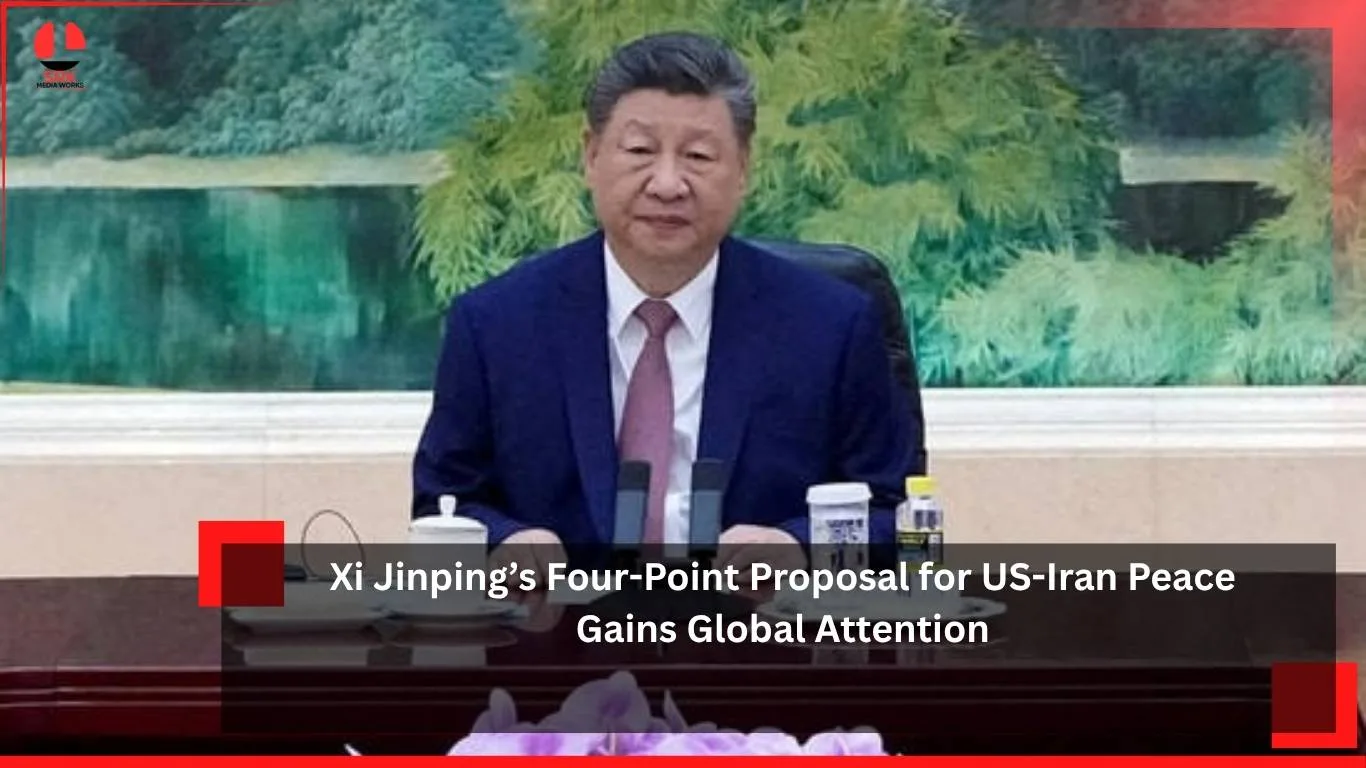
- China & Russia: Likely to back Iran diplomatically and economically, complicating US efforts.
- Middle East Allies: Divided, with some wary of escalation and others quietly supportive of US pressure.
- Global Public Opinion: Increasingly critical of wars seen as destabilizing and economically harmful.
Conclusion
Trump cannot easily restart a war with Iran due to a combination of international alliances, domestic opposition, economic risks, and Iran’s strengthened military position. The global environment has shifted dramatically since earlier confrontations, making diplomacy the more viable path forward. Any attempt to reignite hostilities would face resistance not only from Iran but also from the international community and within the US itself.
Disclaimer
This article is a journalistic analysis created for informational purposes. It does not represent official government statements or endorsements. Readers are encouraged to consult multiple sources for updates. The content is intended for educational and news reporting use only, without promoting conflict or political agendas.