




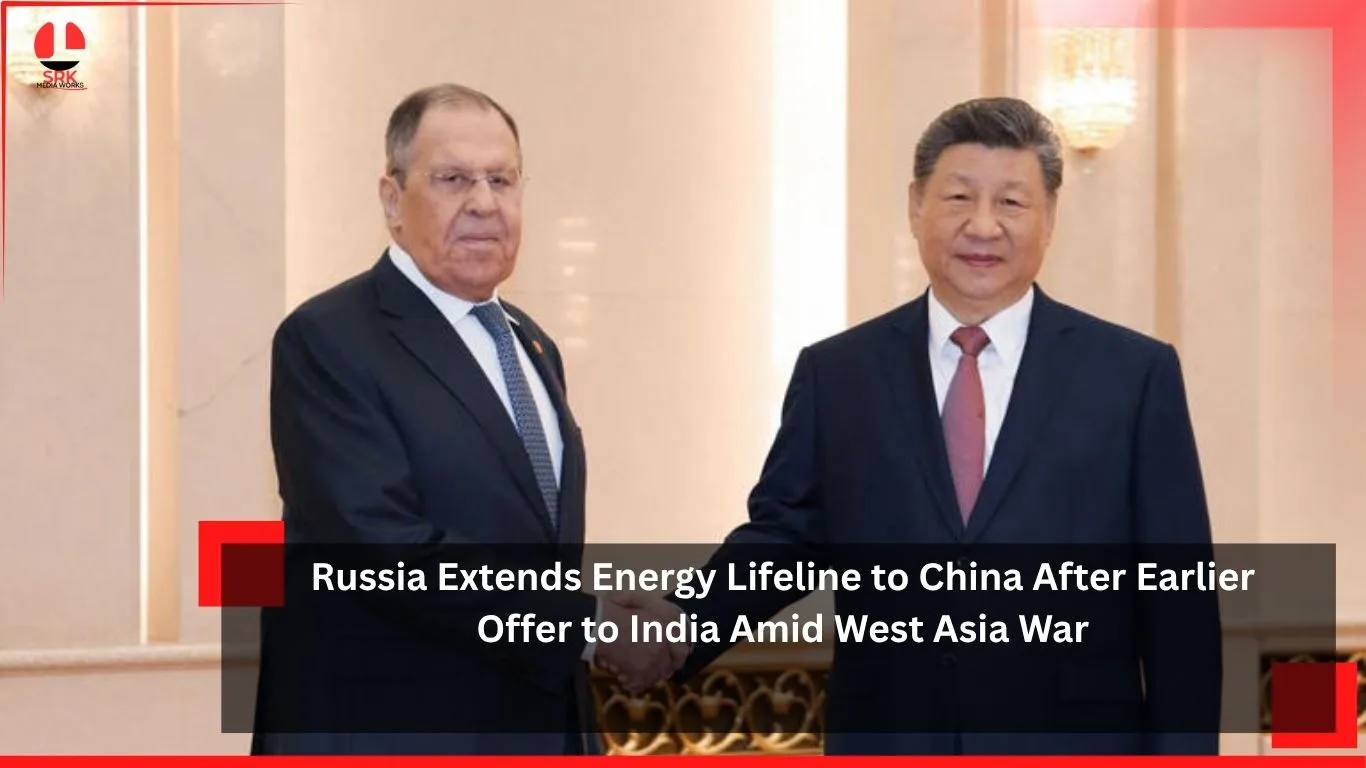
Russia has extended a crucial energy lifeline to China, following its earlier offer to India, as the ongoing war in West Asia continues to disrupt global oil and gas supplies. Moscow’s move underscores its strategy to strengthen ties with Asian powers while countering Western sanctions and geopolitical isolation. The decision highlights the shifting balance of energy diplomacy, with Russia positioning itself as a reliable supplier to major economies in Asia at a time of global uncertainty.
Russia’s Energy Strategy in Asia
Russia’s outreach to China comes after it offered discounted oil and gas supplies to India. With the West Asia war destabilizing traditional energy routes, Moscow is leveraging its vast reserves to secure long-term partnerships.
- China: Receives increased volumes of crude oil and natural gas through pipelines and maritime routes.
- India: Offered discounted crude shipments to stabilize domestic energy markets.
- Strategic Goal: Reduce reliance on Western markets and build a resilient energy corridor in Asia.
Impact of West Asia War on Energy Markets
The conflict in West Asia has disrupted oil shipping lanes, raised insurance costs, and created volatility in global energy prices. Russia’s intervention aims to stabilize supplies for Asia’s largest economies.
- Oil Prices: Rising due to supply chain disruptions.
- Gas Supplies: Threatened by instability in Gulf states.
- Energy Security: China and India seek alternatives to avoid shortages.
Comparative Overview of Russia’s Energy Outreach
| Country | Energy Offered | Strategic Benefit | Current Status |
|---|---|---|---|
| India | Discounted crude oil | Stabilize domestic fuel prices | Ongoing imports |
| China | Oil & natural gas lifeline | Strengthen bilateral ties | Expanded supply routes |
| Europe | Reduced supplies | Political leverage | Declining imports |
This overview shows how Russia is shifting its energy focus from Europe to Asia.
Pivot Analysis: Energy Diplomacy vs. War Disruption
| Scenario | Economic Impact | Political Impact | Security Impact |
|---|---|---|---|
| Continued War | Rising global prices | Strained alliances | Supply chain instability |
| Russia’s Energy Lifeline | Stabilized Asian markets | Stronger Russia-China-India ties | Reduced Western leverage |
The pivot analysis highlights how Russia’s energy diplomacy could offset the negative effects of the West Asia war.
China’s Response
China has welcomed Russia’s energy lifeline, viewing it as a stabilizing factor amid global turmoil. Beijing sees the partnership as part of its broader strategy to secure long-term energy supplies and reduce dependence on volatile Middle Eastern markets.
India’s Position
India, already benefiting from discounted Russian crude, is carefully balancing its ties with Moscow and the West. While New Delhi values the energy partnership, it remains cautious about overdependence on Russia due to geopolitical pressures.
Global Reactions
- United States & Europe: Concerned that Russia’s energy diplomacy undermines sanctions and strengthens its geopolitical position.
- Middle East States: Worried about losing influence in Asian energy markets.
- Asian Economies: Supportive of Russia’s role in stabilizing supplies.
Strategic Implications
Russia’s energy lifeline to China and India signals a major shift in global energy politics. By aligning with Asia’s largest economies, Moscow is building a counterweight to Western influence. This move could reshape global energy flows for years to come, especially if the West Asia war continues.
Conclusion
Russia’s extension of an energy lifeline to China, after its earlier offer to India, reflects a calculated strategy to strengthen Asian partnerships amid global instability. As the West Asia war disrupts traditional energy routes, Moscow’s role as a reliable supplier could redefine the future of global energy diplomacy. The outcome will depend on how long the conflict persists and how effectively Russia manages its alliances with Asia’s rising powers.
Disclaimer
This article is a journalistic analysis created for informational purposes. It does not represent official government statements or endorsements. Readers are advised to consult multiple perspectives for updates. The content is intended for educational and news reporting use only, without promoting any political or economic agenda.