



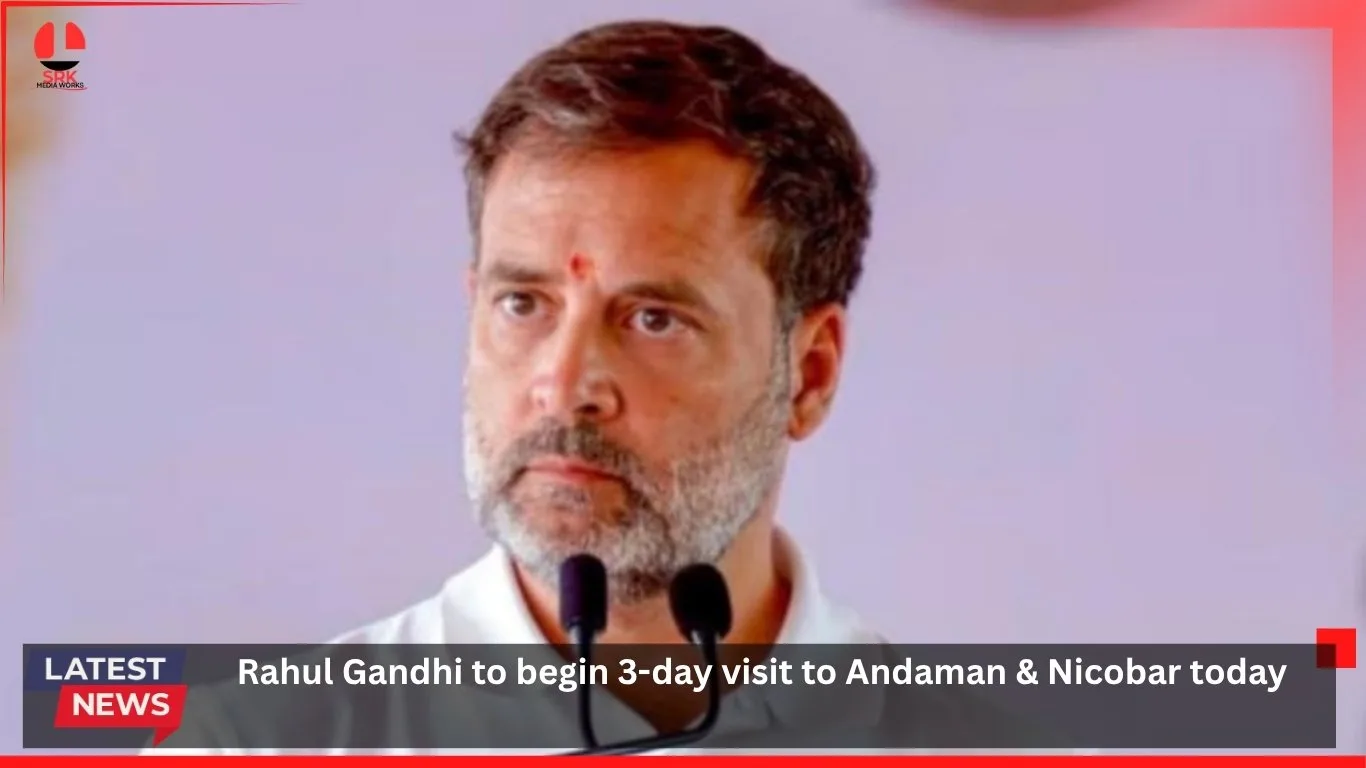
Congress leader Rahul Gandhi is set to begin a three-day visit to the Andaman and Nicobar Islands today, marking a significant outreach initiative aimed at strengthening the party’s presence in the region. His itinerary includes meetings with local leaders, interactions with tribal communities, and visits to historically important sites that symbolize India’s freedom struggle.
Purpose of the Visit
Rahul Gandhi’s visit is seen as part of a broader strategy to connect with remote regions and highlight issues of development, environment, and indigenous rights. The Andaman and Nicobar Islands, with their unique ecological and cultural significance, provide a backdrop for discussions on sustainable growth and national security.
Key Objectives:
- Strengthen Congress presence in the islands.
- Engage with tribal and local communities.
- Highlight environmental and developmental challenges.
- Pay homage to historical sites linked to India’s independence movement.
Itinerary Overview
Rahul Gandhi’s schedule includes public meetings, cultural interactions, and visits to iconic landmarks.
| Day | Planned Activities | Focus Area |
|---|---|---|
| Day 1 | Arrival, meeting local Congress leaders | Political outreach |
| Day 2 | Interaction with tribal communities, visit to Cellular Jail | Indigenous rights, historical homage |
| Day 3 | Public rally, environmental discussions | Development and sustainability |
Historical Significance
The Andaman and Nicobar Islands hold immense historical importance, particularly the Cellular Jail in Port Blair, where freedom fighters were imprisoned during British rule. Rahul Gandhi’s visit to the site is expected to emphasize the Congress party’s legacy in India’s independence movement.
Political Context
The visit comes at a time when Congress is seeking to expand its influence in regions beyond mainland India. The BJP has made inroads in the islands in recent years, and Gandhi’s presence is seen as an attempt to rejuvenate Congress support.
Pivot Analysis: Congress Strategy vs. Regional Politics
| Factor | Congress Strategy | Regional Political Reality |
|---|---|---|
| Outreach | Direct engagement with communities | BJP presence growing in region |
| Historical Legacy | Emphasis on freedom struggle sites | Competing narratives from rivals |
| Development Focus | Highlighting sustainability and rights | Local concerns about infrastructure |
Environmental and Developmental Issues
The islands face challenges related to climate change, rising sea levels, and ecological preservation. Rahul Gandhi is expected to address these issues, advocating for policies that balance development with environmental protection.
Key Issues:
- Rising sea levels threatening coastal areas.
- Preservation of indigenous cultures and habitats.
- Infrastructure development without ecological damage.
Public and Media Reaction
The visit has generated interest among local communities and national media. Supporters view it as a positive step toward inclusive politics, while critics argue it is a symbolic gesture without concrete policy outcomes.
Reactions Overview
| Group/Community | Reaction to Visit | Potential Impact |
|---|---|---|
| Congress Supporters | Positive, see it as grassroots outreach | Strengthens party morale |
| BJP Supporters | Dismissive, call it symbolic | Reinforces political rivalry |
| Local Communities | Curious, hopeful for development focus | May influence regional sentiment |
| Media Analysts | Highlight strategic importance | Shapes national narrative |
Future Outlook
Rahul Gandhi’s visit is expected to set the tone for Congress’s engagement with remote and strategically important regions. While immediate political gains may be limited, the long-term impact could be significant if the party follows up with sustained initiatives.
Looking ahead:
- Congress Strategy: Build grassroots connections in remote regions.
- Local Impact: Address developmental and environmental concerns.
- National Narrative: Position Congress as inclusive and historically rooted.
Conclusion
Rahul Gandhi’s three-day visit to the Andaman and Nicobar Islands underscores the Congress party’s effort to reconnect with diverse communities and highlight issues of national importance. By combining political outreach with historical homage and environmental advocacy, the visit aims to strengthen the party’s presence in a strategically vital region while shaping broader narratives about development and inclusivity.
Disclaimer
This article is based on publicly available political commentary and analysis. It does not represent endorsement or criticism of any individual or party. The content is intended for informational purposes only, highlighting the dynamics of political outreach, regional development, and historical significance. Readers are encouraged to explore diverse perspectives before forming conclusions.