






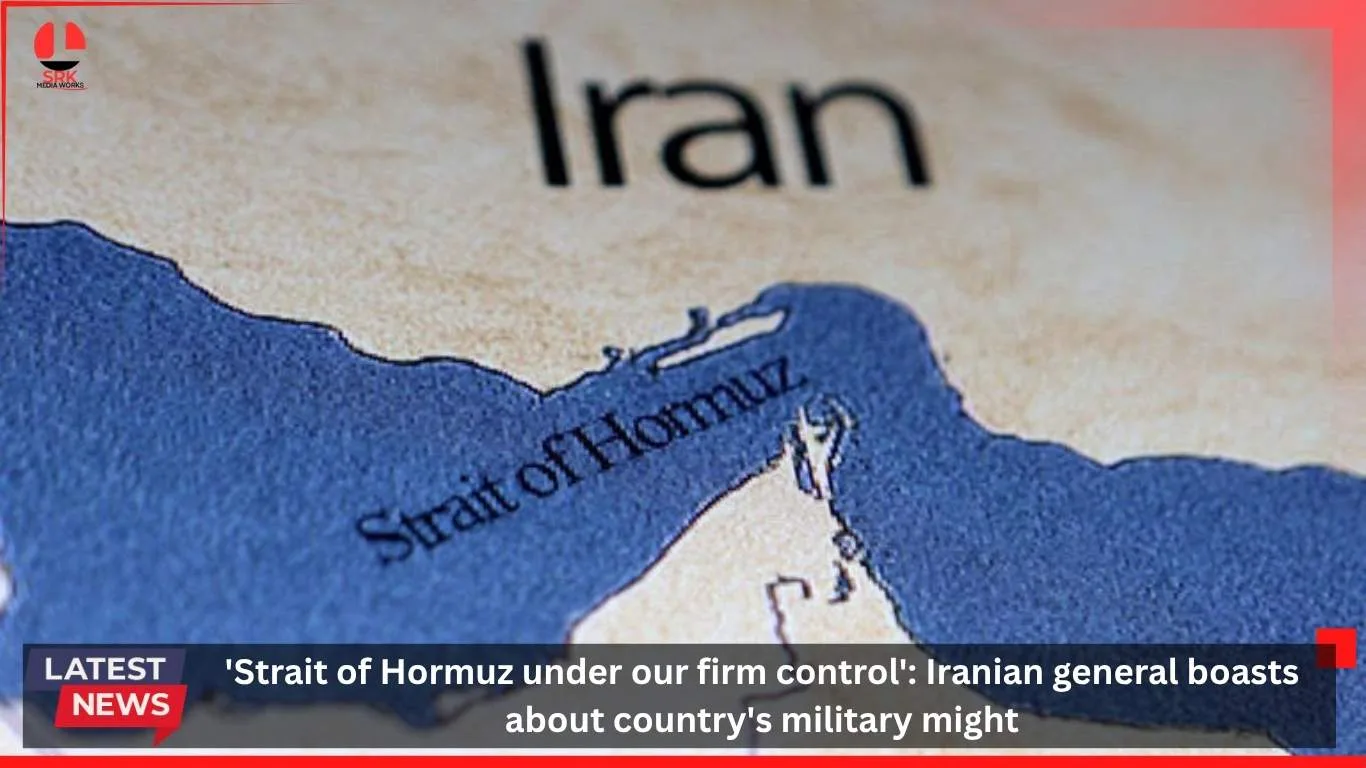
An Iranian general has declared that the Strait of Hormuz is under the “firm control” of Iran’s military, boasting about the country’s ability to project power in one of the world’s most strategically vital waterways. The statement has reignited global concerns about security in the Persian Gulf, where tensions between Iran and Western powers remain high.
The General’s Statement
The Iranian commander emphasized that the Strait of Hormuz, through which nearly one-fifth of the world’s oil supply passes, is fully secured by Iran’s military forces. He claimed that Iran’s naval and missile capabilities ensure that no foreign power can challenge its dominance in the region.
Key Highlights:
- Iran asserts full control over the Strait of Hormuz.
- Military capabilities include naval forces, missile systems, and surveillance technology.
- The statement is seen as a warning to Western powers and regional rivals.
Strategic Importance of the Strait of Hormuz
The Strait of Hormuz is a narrow passage connecting the Persian Gulf with the Arabian Sea. It is considered one of the most critical chokepoints in global energy trade. Any disruption in the strait could have significant consequences for oil markets and global economic stability.
Comparative Overview
| Factor | Importance of Strait of Hormuz | Iran’s Claim of Control |
|---|---|---|
| Oil Trade | Nearly 20% of global oil passes through | Iran says it can block or secure passage |
| Military Strategy | Key chokepoint for naval operations | Iran claims dominance with naval forces |
| Global Impact | Disruption affects energy prices worldwide | Iran’s control raises geopolitical risks |
Global Reactions
The statement has drawn mixed reactions from global powers. Western nations view it as a provocative assertion, while some regional allies of Iran see it as a demonstration of strength.
Pivot Analysis: Iran’s Control vs. Global Concerns
| Factor | Iran’s Perspective | Global Perspective |
|---|---|---|
| Security | Ensures sovereignty and deterrence | Raises fears of escalation |
| Energy Trade | Ability to regulate oil flow | Threatens global energy stability |
| Military Power | Showcases strength and independence | Seen as aggressive posturing |
Military Capabilities
Iran has invested heavily in naval forces, missile technology, and surveillance systems to secure the Strait of Hormuz. The general highlighted Iran’s ability to monitor and intercept foreign vessels, as well as its capacity to launch retaliatory strikes if challenged.
Military Assets Overview
| Asset | Capability | Strategic Role |
|---|---|---|
| Naval Forces | Patrol and secure strait | Prevent unauthorized passage |
| Missile Systems | Long-range strike capability | Deter foreign intervention |
| Surveillance Technology | Monitor vessel movements | Enhance situational awareness |
Historical Context
Iran has long asserted its influence over the Strait of Hormuz. Past incidents, including the seizure of foreign oil tankers and confrontations with U.S. naval forces, have underscored the region’s volatility. The latest statement continues this tradition of projecting strength while warning adversaries of potential consequences.
Implications for Global Energy Markets
The claim of firm control raises concerns about the stability of global energy supply. Any disruption in the strait could lead to spikes in oil prices, affecting economies worldwide. Analysts warn that heightened tensions could increase volatility in energy markets.
Regional Dynamics
Iran’s assertion of control also impacts regional politics. Gulf states such as Saudi Arabia and the UAE, which rely on the strait for oil exports, view Iran’s dominance as a threat. Meanwhile, Iran’s allies may interpret the statement as a reassurance of protection against Western influence.
Reactions Overview
| Group/Community | Reaction to Iran’s Claim | Potential Impact |
|---|---|---|
| Western Powers | Concern, calls for restraint | Increased naval presence in region |
| Gulf States | Alarm, view claim as threat | Push for stronger alliances |
| Iran’s Allies | Support, see it as strength | Reinforces regional partnerships |
| Global Markets | Fear of instability | Volatility in oil prices |
Future Outlook
The statement is likely to intensify geopolitical tensions in the Persian Gulf. Western powers may increase their naval presence, while Iran continues to assert its dominance. The future of the Strait of Hormuz will remain a focal point in global security and energy discussions.
Looking ahead:
- Western Strategy: Increase surveillance and naval patrols.
- Iran’s Approach: Continue projecting military strength.
- Global Impact: Ongoing volatility in energy markets.
Conclusion
The Iranian general’s boast that the Strait of Hormuz is under “firm control” underscores the country’s determination to assert dominance in one of the world’s most critical waterways. While the statement highlights Iran’s military capabilities, it also raises global concerns about energy security and geopolitical stability. The strait will remain a flashpoint in international relations, with Iran’s claims shaping future debates about power, sovereignty, and global trade.
Disclaimer
This article is based on publicly available geopolitical commentary and analysis. It does not represent endorsement or criticism of any nation or policy. The content is intended for informational purposes only, highlighting the dynamics of military strategy, energy security, and global geopolitics. Readers are encouraged to explore diverse perspectives before forming conclusions.