







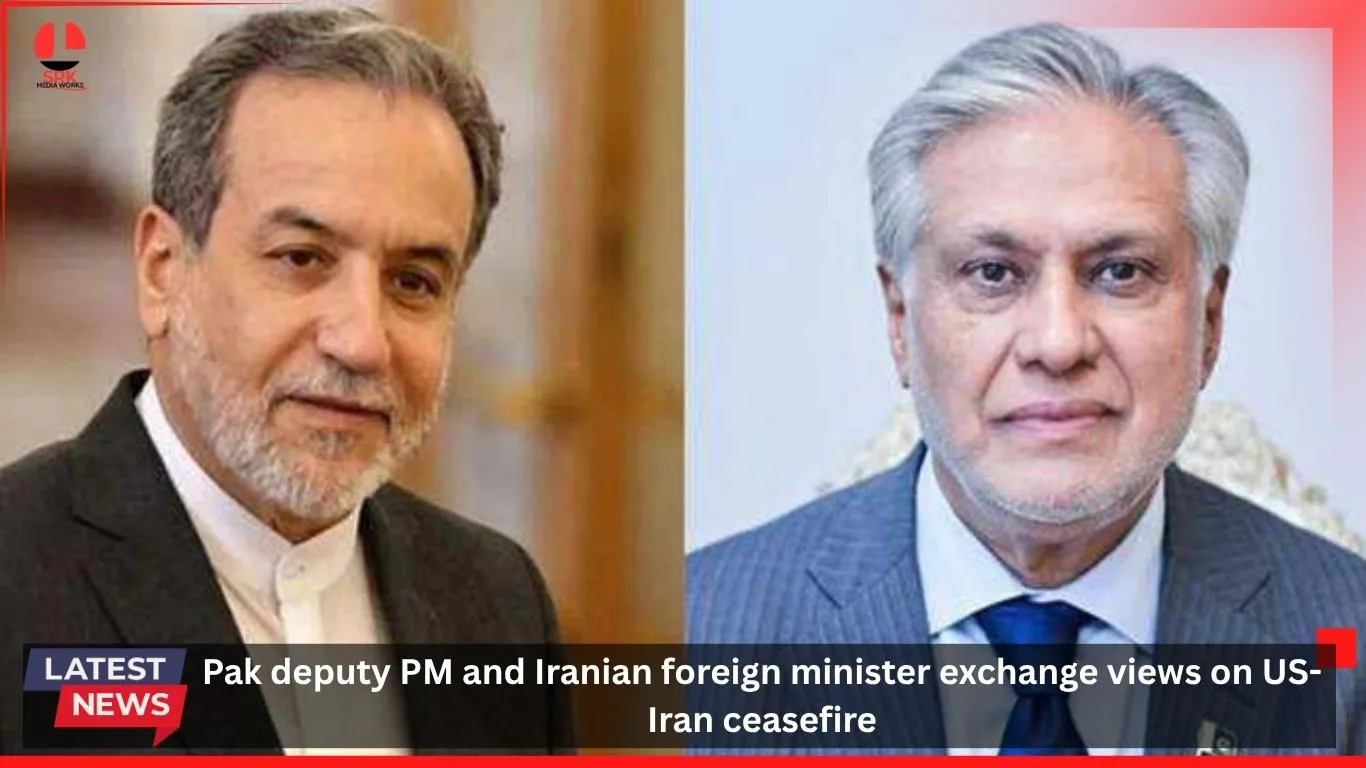
Pakistan’s Deputy Prime Minister and Iran’s Foreign Minister held a high-level meeting to exchange views on the ongoing discussions surrounding a potential US-Iran ceasefire. The dialogue, which took place amid heightened regional tensions, focused on the prospects of de-escalation, the role of neighboring countries, and the broader implications for Middle Eastern stability.
Key Highlights of the Meeting
The meeting underscored the importance of regional cooperation in addressing the fallout of US-Iran hostilities. Both sides emphasized the need for dialogue and diplomacy, while also acknowledging the challenges posed by external interventions and domestic pressures.
Main Points Discussed:
- The potential framework for a US-Iran ceasefire.
- Regional security implications for South Asia and the Middle East.
- The role of Pakistan and Iran in facilitating dialogue.
- Concerns about humanitarian consequences of prolonged conflict.
Pakistan’s Position
Pakistan’s Deputy Prime Minister reiterated Islamabad’s commitment to peace and stability in the region. He highlighted Pakistan’s historical role as a mediator and stressed the importance of avoiding escalation that could impact trade, energy security, and regional cooperation.
Pakistan’s Objectives:
- Prevent spillover of conflict into South Asia.
- Protect energy trade routes and economic interests.
- Strengthen diplomatic ties with Iran while maintaining balance with the US.
Iran’s Position
Iran’s Foreign Minister emphasized Tehran’s readiness to consider ceasefire proposals but insisted that any agreement must respect Iran’s sovereignty and regional influence. He criticized unilateral sanctions and external interference, framing them as obstacles to peace.
Iran’s Objectives:
- Secure recognition of its regional role.
- Ensure sanctions relief as part of ceasefire negotiations.
- Strengthen alliances with neighboring countries, including Pakistan.
Comparative Analysis
| Aspect | Pakistan’s Position | Iran’s Position |
|---|---|---|
| Ceasefire Approach | Supports dialogue, seeks stability | Open to talks but demands sovereignty |
| Regional Security | Concerned about spillover effects | Seeks recognition of influence |
| Economic Interests | Protects trade and energy routes | Wants sanctions relief |
| Diplomatic Strategy | Balancing ties with US and Iran | Strengthening alliances with neighbors |
Regional Implications
The meeting carries significant implications for South Asia and the Middle East. A US-Iran ceasefire could reduce tensions in the Persian Gulf, stabilize energy markets, and prevent escalation into neighboring regions. Pakistan’s involvement highlights its strategic position as a bridge between the Middle East and South Asia.
Pivot Analysis: Ceasefire Outcomes vs. Regional Impact
| Factor | Positive Outcome | Negative Outcome |
|---|---|---|
| Security | Reduced tensions, stability in Gulf | Escalation if talks fail |
| Energy Markets | Stabilized oil prices | Volatility due to uncertainty |
| Diplomacy | Strengthened regional cooperation | Increased polarization among allies |
| Humanitarian Impact | Relief for civilians in conflict zones | Continued suffering if ceasefire stalls |
Global Reactions
The international community has closely monitored the meeting. Western powers remain cautious, while regional allies view Pakistan’s involvement as a positive step. Analysts suggest that Islamabad’s role could help bridge gaps between Washington and Tehran.
Reactions Overview
| Group/Community | Reaction to Meeting | Potential Impact |
|---|---|---|
| Western Powers | Cautious, skeptical of Iran’s intentions | May push for stricter monitoring |
| Gulf States | Mixed, wary of Iran’s influence | Could seek stronger US alignment |
| Regional Allies | Positive, support Pakistan’s mediation | Strengthens regional diplomacy |
| Global Analysts | Highlight importance of dialogue | Shapes narrative on peace efforts |
Historical Context
US-Iran tensions have persisted for decades, with flashpoints ranging from sanctions to military confrontations. Pakistan has often sought to play a mediating role, given its strategic location and ties to both sides. The latest meeting continues this tradition, reflecting Islamabad’s desire to prevent instability in its neighborhood.
Future Outlook
The outcome of the meeting will depend on how the US and Iran respond to regional mediation efforts. If successful, Pakistan and Iran could play pivotal roles in shaping a ceasefire framework. However, challenges remain, including mistrust, sanctions, and competing regional interests.
Looking ahead:
- Diplomatic Engagement: Pakistan and Iran may intensify efforts to mediate.
- US Response: Washington’s stance will determine feasibility of ceasefire.
- Regional Stability: Success could reduce tensions, failure may escalate conflict.
Conclusion
The meeting between Pakistan’s Deputy Prime Minister and Iran’s Foreign Minister highlights the urgency of addressing US-Iran tensions through dialogue. By exchanging views on a potential ceasefire, both countries have signaled their commitment to regional stability and cooperation. While challenges remain, the engagement underscores the importance of diplomacy in preventing conflict and safeguarding global interests.
Disclaimer
This article is based on publicly available geopolitical commentary and analysis. It does not represent endorsement or criticism of any nation or policy. The content is intended for informational purposes only, highlighting the dynamics of diplomacy, regional security, and international relations. Readers are encouraged to explore diverse perspectives before forming conclusions.