




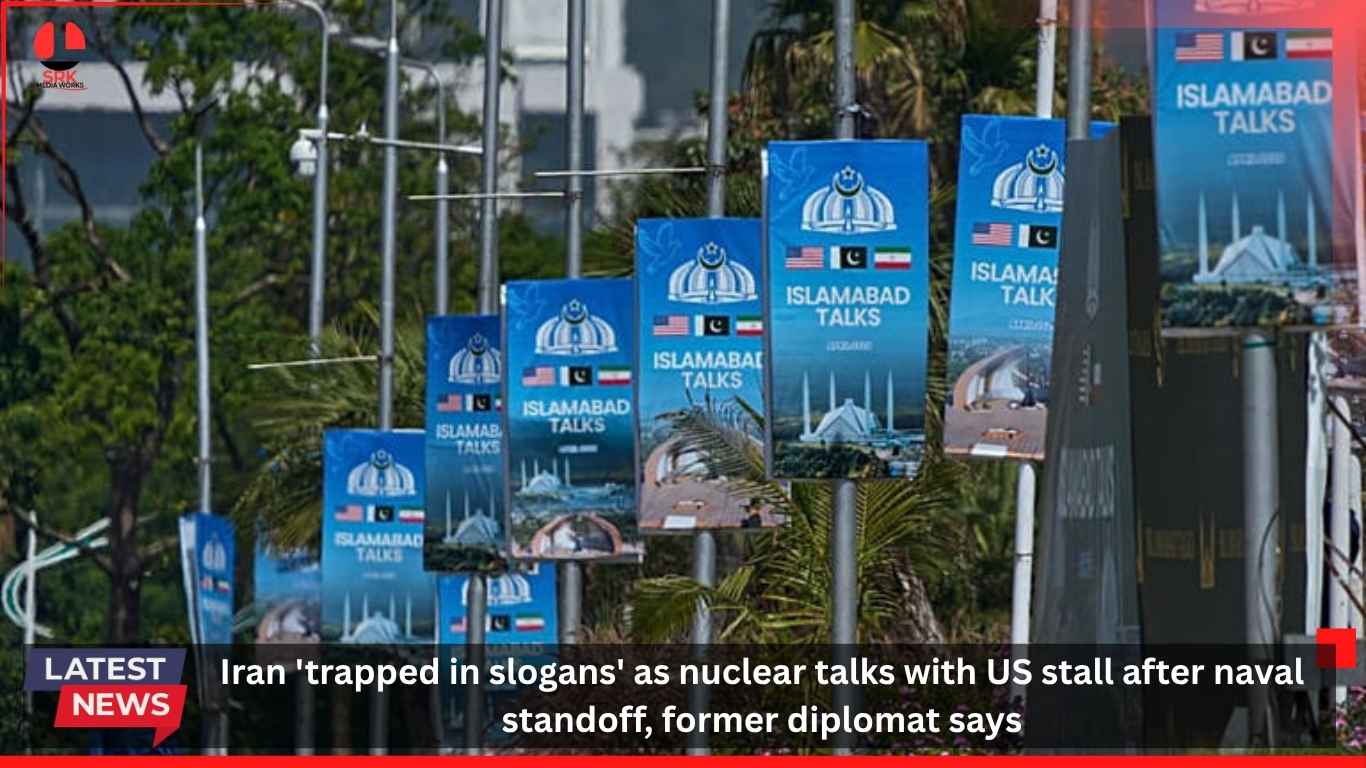
A former Iranian diplomat has warned that Tehran is increasingly “trapped in slogans” as nuclear negotiations with the United States stall following a tense naval standoff in the Persian Gulf. The remarks highlight the growing frustration among diplomatic circles over Iran’s reliance on rhetoric rather than substantive policy shifts, which has complicated efforts to revive dialogue and ease tensions.
The Diplomat’s Warning
The former diplomat argued that Iran’s leadership has leaned too heavily on slogans and ideological posturing, which may resonate domestically but hinder progress in international negotiations. He noted that the naval standoff with U.S. forces has further hardened positions, making it difficult for either side to compromise.
Key Highlights:
- Iran accused of relying on slogans instead of pragmatic diplomacy.
- Naval standoff worsened mistrust between Tehran and Washington.
- Nuclear talks remain stalled, raising concerns about regional stability.
The Naval Standoff
The recent confrontation between Iranian naval forces and U.S. warships in the Persian Gulf escalated tensions, with both sides accusing each other of provocation. The incident has cast a shadow over ongoing nuclear discussions, reinforcing skepticism about Iran’s willingness to engage constructively.
Comparative Analysis
| Aspect | Iran’s Position | U.S. Position |
|---|---|---|
| Naval Standoff | Defensive response to U.S. presence | Provocation by Iran’s aggressive maneuvers |
| Nuclear Talks | Demand for sanctions relief | Demand for nuclear restrictions |
| Diplomatic Strategy | Reliance on slogans, resistance to compromise | Pragmatic but firm conditions |
Impact on Nuclear Talks
The standoff has stalled nuclear negotiations, with both sides unwilling to soften their positions. Iran continues to demand sanctions relief, while the U.S. insists on stricter monitoring of Tehran’s nuclear program. The diplomat’s warning suggests that Iran’s reliance on slogans may prevent meaningful progress.
Pivot Analysis: Slogans vs. Diplomacy
| Factor | Reliance on Slogans | Pragmatic Diplomacy |
|---|---|---|
| Domestic Impact | Strengthens nationalist sentiment | May face criticism for compromise |
| International Impact | Weakens credibility in negotiations | Builds trust with global partners |
| Long-Term Outcome | Prolonged stalemate, isolation | Potential breakthrough, reduced tensions |
Regional Implications
The stalled talks have significant implications for the Middle East. Continued tensions between Iran and the U.S. could destabilize energy markets, heighten security risks, and deepen divisions among regional powers.
Reactions Overview
| Group/Community | Reaction to Stalled Talks | Potential Impact |
|---|---|---|
| Gulf States | Alarmed, fear instability | Push for stronger U.S. presence |
| European Allies | Concerned, urge diplomacy | Advocate for multilateral negotiations |
| Russia and China | Critical of U.S., support Iran | Strengthen ties with Tehran |
| Global Analysts | Highlight risks of stalemate | Shape narrative on regional security |
Historical Context
Iran’s nuclear program has been a source of contention for decades. The 2015 nuclear deal briefly eased tensions, but the U.S. withdrawal under Trump reignited hostilities. The latest standoff underscores the difficulty of reviving negotiations amid entrenched mistrust and political posturing.
Future Outlook
The diplomat’s warning suggests that unless Iran shifts from slogans to substantive diplomacy, talks will remain stalled. The U.S. is unlikely to ease sanctions without concrete commitments, while Iran risks further isolation if it continues to rely on rhetoric.
Looking ahead:
- Iran’s Strategy: Shift from slogans to pragmatic diplomacy.
- U.S. Approach: Maintain firm conditions while exploring dialogue.
- Regional Impact: Continued volatility if talks fail.
Conclusion
The former diplomat’s warning that Iran is “trapped in slogans” highlights the challenges facing nuclear negotiations with the U.S. The naval standoff has deepened mistrust, leaving talks stalled and raising concerns about regional stability. Unless Tehran adopts a more pragmatic approach, the stalemate may persist, with significant consequences for global security and diplomacy.
Disclaimer
This article is based on publicly available geopolitical commentary and analysis. It does not represent endorsement or criticism of any nation or leader. The content is intended for informational purposes only, highlighting the dynamics of diplomacy, regional security, and international relations. Readers are encouraged to explore diverse perspectives before forming conclusions.