



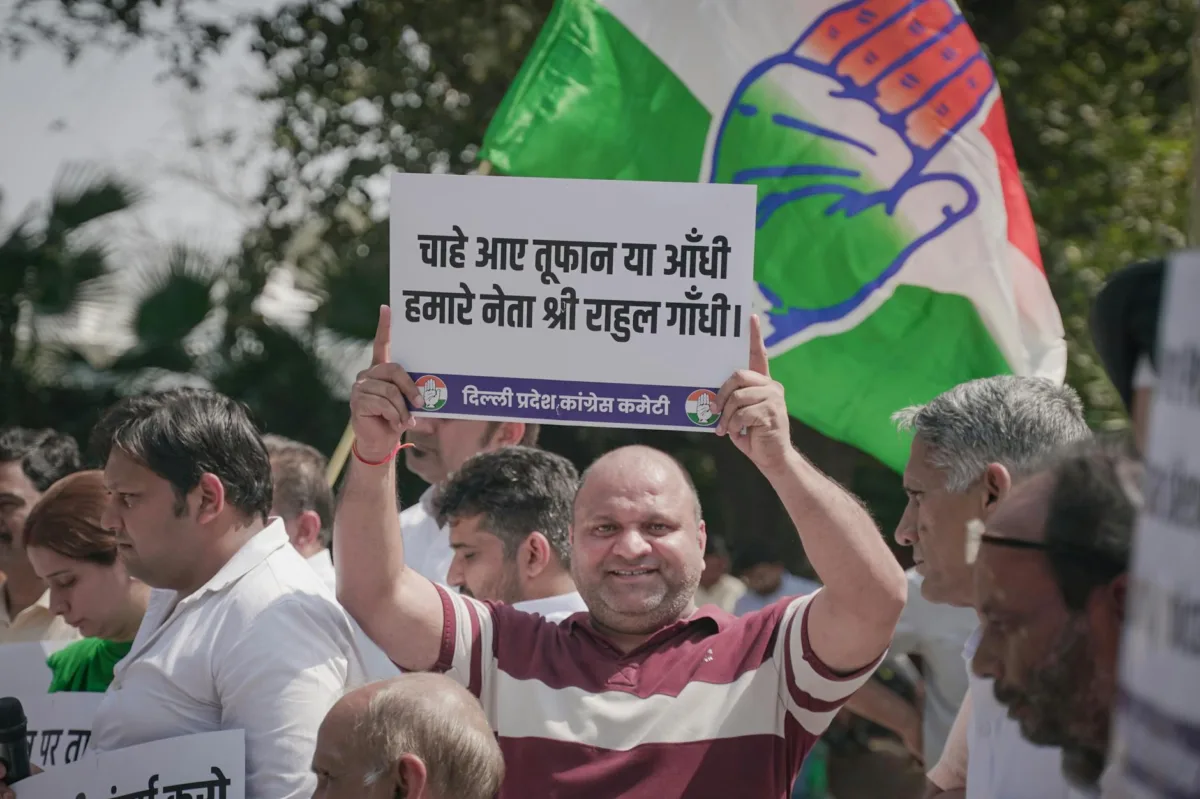
The Indigenous People’s Front of Tripura (IPFT) observed ‘Tipraland Statehood Demand Day’ on Wednesday across Tripura, reaffirming its long-standing campaign for a separate state for the indigenous communities of the region. The event, held in the capital city of Agartala and various district headquarters, saw significant participation from party workers and tribal leaders who gathered to highlight the socio-economic and cultural concerns of the indigenous population.
The Context of the Statehood Movement
The demand for ‘Tipraland’ has been the cornerstone of the IPFT’s political platform for decades. Proponents argue that the creation of a separate state under Articles 2 and 3 of the Indian Constitution is essential to protect the identity, language, and land rights of the indigenous Tiprasa people.
Historically, the demographic composition of Tripura shifted significantly following the partition of India in 1947, leading to large-scale migration. Indigenous groups have expressed concerns regarding their representation and political agency, which serves as the primary driver for the statehood agitation.
National Federation of New States Extends Support
A notable development during this year’s commemoration was the formal expression of solidarity from the National Federation of New States (NFNS). The federation, an umbrella organization representing various statehood movements across India, issued a statement supporting the IPFT’s constitutional demand.
This cross-regional backing provides a boost to the IPFT’s efforts to elevate the issue to a national discourse. By aligning with the NFNS, the IPFT seeks to demonstrate that the demand for Tipraland is part of a broader, legitimate democratic process for regional autonomy within the federal structure of the country.
Expert Perspectives and Political Dynamics
Political analysts suggest that the resurgence of this demand comes at a critical time for Tripura’s political landscape. While the IPFT is currently part of the ruling coalition in the state, the internal pressure to deliver on core promises remains a significant challenge for the party leadership.
Data from recent regional assembly discussions indicates that while infrastructure development has been a priority for the current government, the specific demand for statehood continues to hold sway over the party’s core voter base. Observers note that balancing coalition governance with the party’s primary ideological goal requires nuanced political maneuvering.
Future Implications and Outlook
The ongoing push for Tipraland suggests that tribal identity and regional autonomy will remain central themes in Tripura’s political trajectory. As the IPFT continues to mobilize supporters, the central government’s response to these regional aspirations will be a key factor in future negotiations.
Observers are closely watching whether the IPFT will leverage its national alliances to secure a formal dialogue with the Union government regarding the feasibility of its demands. The coming months will likely see increased grassroots mobilization and a focus on integrating these demands into the broader regional legislative agenda ahead of future electoral cycles.