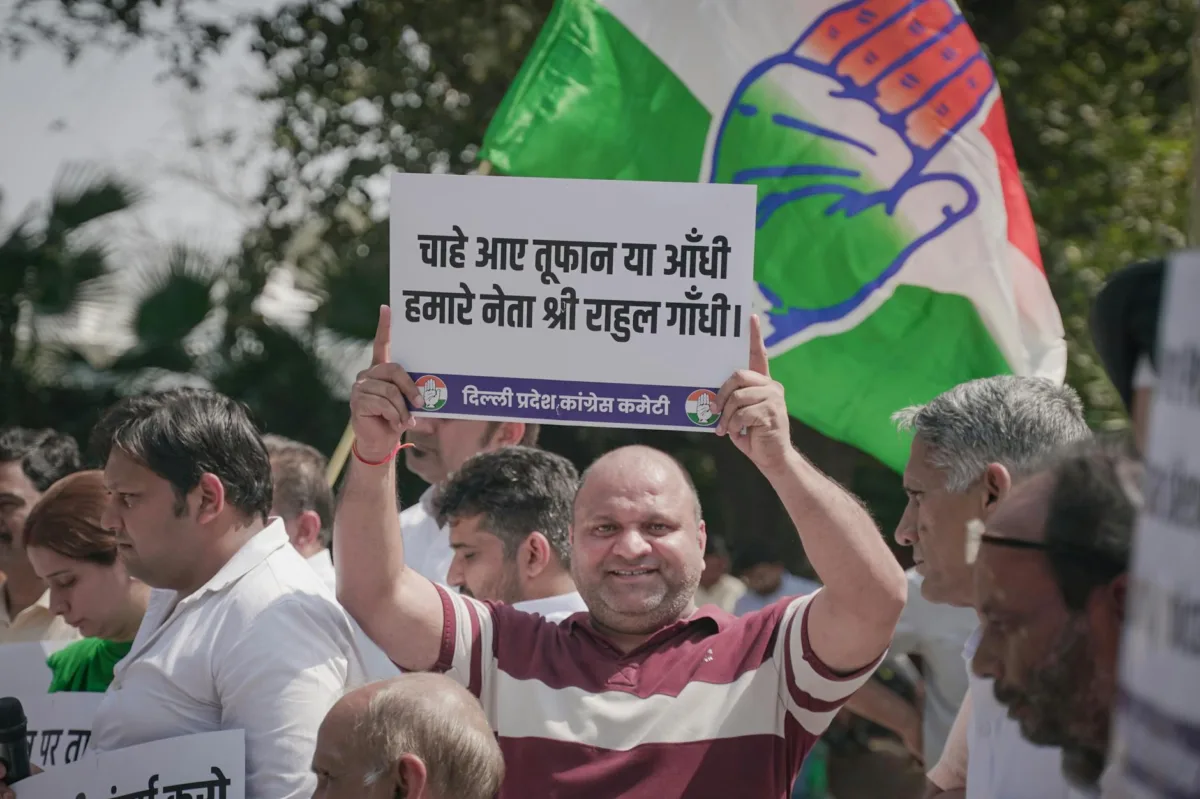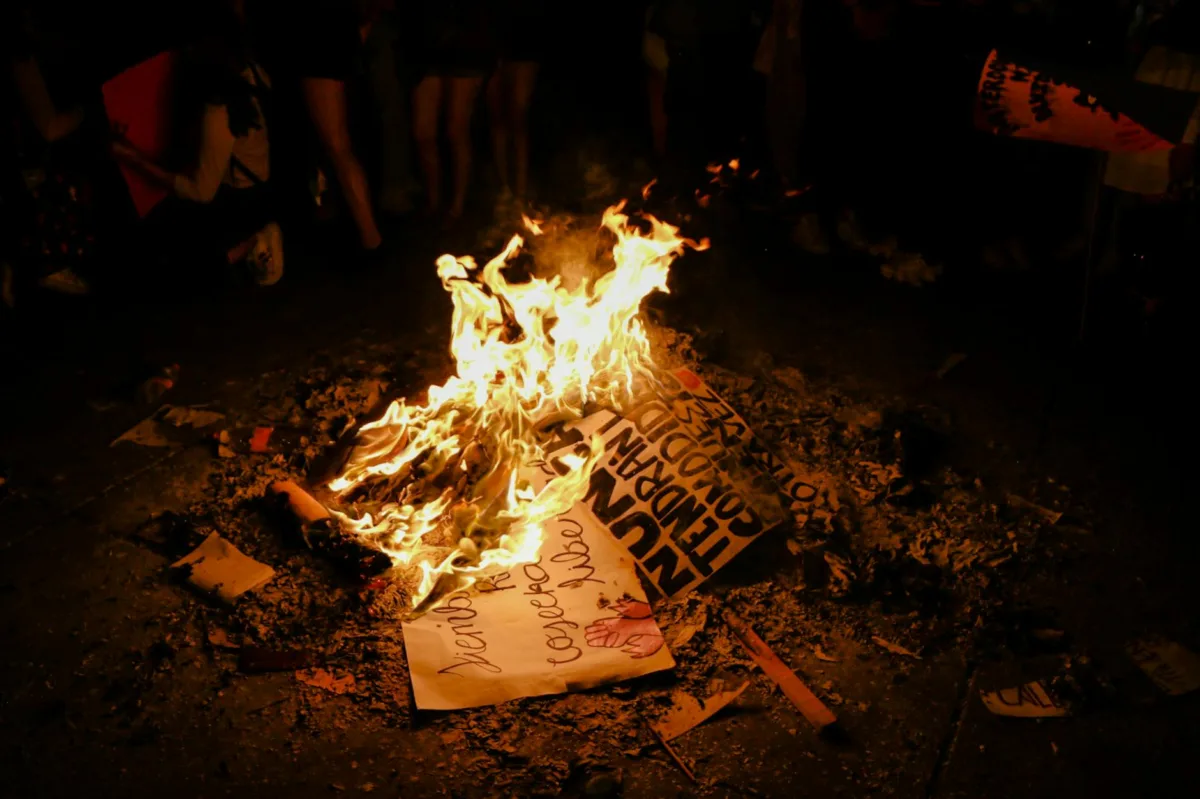




Members of the Bharatiya Janata Party (BJP) staged a violent protest in Agartala, Tripura, on Tuesday, vandalizing a local Trinamool Congress (TMC) office in retaliation for the reported assault of party leaders in West Bengal. The incident, which unfolded amidst rising inter-party hostility, saw demonstrators damaging property and chanting slogans, signaling a deepening political rift that has crossed state borders.
Context of the Escalation
The unrest stems from escalating friction between the BJP and the TMC, particularly following recent allegations of violence against BJP workers in West Bengal. Tripura, currently governed by a BJP-led administration, has seen a surge in political activity as the TMC attempts to expand its footprint beyond its West Bengal stronghold.
Political observers note that the incident is part of a broader pattern of confrontational politics. The TMC has accused the BJP of using state machinery to suppress dissent, while the BJP maintains that its actions represent a grassroots response to the perceived mistreatment of its cadres elsewhere.
Details of the Agartala Incident
Witnesses report that a group of protesters arrived at the TMC office in the capital city, quickly overwhelming the premises. Furniture was overturned, windowpanes were shattered, and party signage was torn down during the brief but intense standoff.
Local law enforcement arrived shortly after the incident began to disperse the crowd and restore order. While no major injuries were reported, the vandalism has drawn sharp condemnation from TMC leadership, who have demanded an immediate investigation into the breach of their office security.
Expert Perspectives and Political Analysis
Political analysts suggest that such incidents serve as a barometer for the deteriorating political climate in the region. Dr. Anirban Das, a regional political strategist, noted that the trend of ‘protest-by-vandalism’ is increasingly becoming a strategic tool for political signaling.
“When political discourse fails, these parties often resort to symbolic violence to energize their respective bases,” Das stated. “The choice of target—an office in a different state—shows that the parties are looking to nationalize local grievances, effectively turning state borders into battlegrounds.”
Implications for the Region
For the residents of Agartala, the incident raises concerns regarding the stability of the local political environment. The normalization of such protests could lead to increased polarization and potential disruptions to daily life if the cycle of retaliation continues.
Industry experts are watching closely to see if this incident triggers a wider wave of retaliatory actions across other states where both parties maintain a presence. The upcoming election cycles in various states may exacerbate these tensions, necessitating a more robust response from election commissions and law enforcement agencies to prevent further escalation.
Moving forward, stakeholders will be monitoring whether party high commands move to de-escalate the rhetoric or if the incident marks the beginning of a more aggressive phase in the BJP-TMC rivalry. The ability of the local administration to prosecute those responsible for the vandalism will be a critical test for the rule of law in the region.