



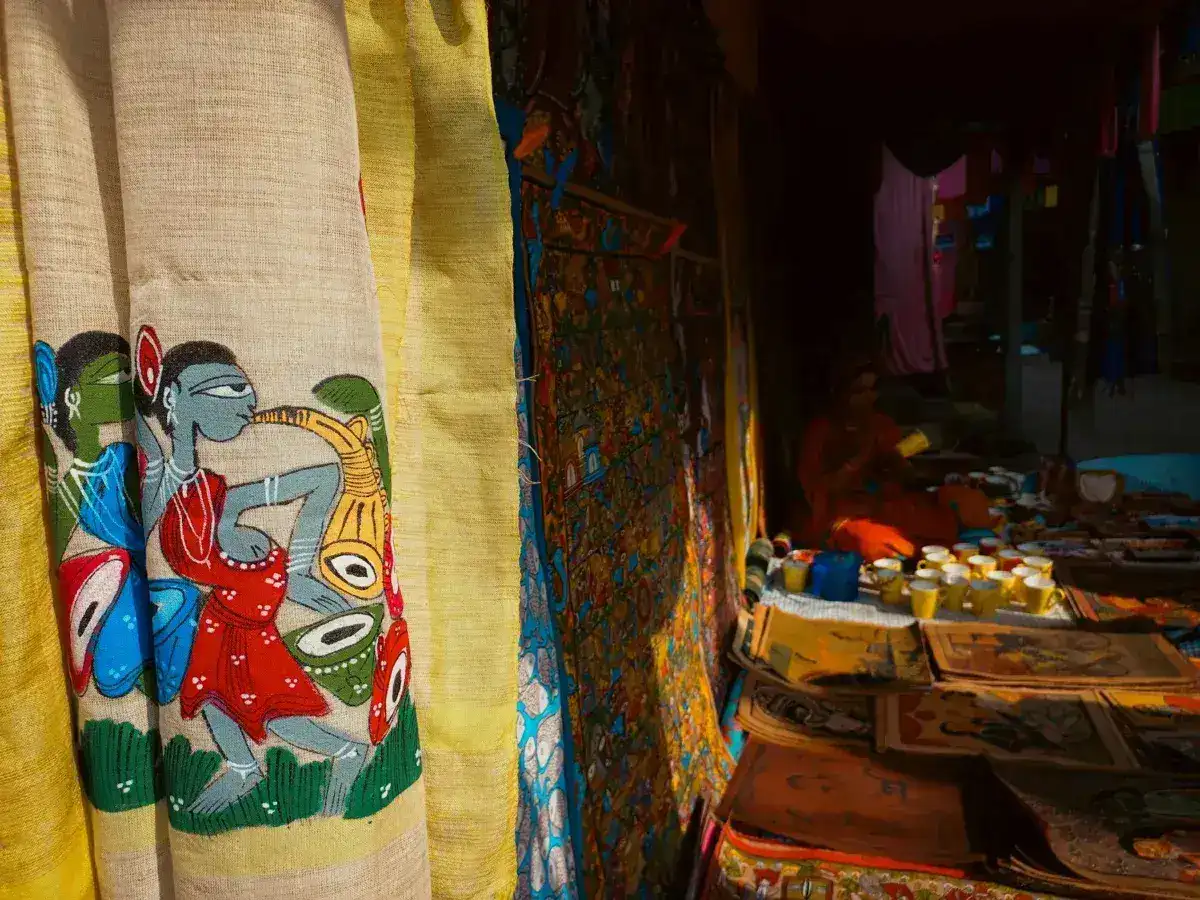
Tripura Chief Minister Manik Saha announced a government grant of Rs 50.25 lakh to support the ‘Sanskriti Haat’ initiative in Agartala this week, aiming to bolster the state’s local economy and preserve traditional craftsmanship. The funding, allocated during a public event, is designed to provide infrastructure enhancements and financial stability for indigenous artisans and entrepreneurs who utilize the market space to showcase their cultural products.
Contextualizing the Role of Traditional Markets
The Sanskriti Haat has emerged as a vital hub for cultural preservation in Tripura, serving as a platform where local weavers, potters, and traditional artists can connect directly with consumers. By cutting out intermediaries, the market allows artisans to retain a larger share of their profits while keeping regional crafts alive in an increasingly digitized economy.
Government officials have long identified these local markets as essential components of the state’s ‘Vocal for Local’ initiative. The investment reflects a broader strategy to integrate grassroots economic activities into the mainstream market, ensuring that cultural heritage remains a viable source of income for rural and semi-urban communities.
Strategic Investment and Economic Impact
The Rs 50.25 lakh grant is earmarked for significant upgrades, including the construction of permanent stalls, improved sanitation facilities, and aesthetic landscaping to attract higher foot traffic. According to state economic reports, small-scale artisan markets in the region have seen a 15% increase in annual turnover since 2022, signaling a growing consumer interest in authentic, locally sourced goods.
Dr. Manik Saha emphasized that the state government is committed to creating an enabling environment for self-employment. By providing financial support, the administration aims to stabilize the income levels of families who rely on traditional crafts, effectively reducing economic vulnerability among the artisan class.
Expert Perspectives on Cultural Entrepreneurship
Economists tracking the region’s development note that such grants have a multiplier effect on the local economy. When artisans receive direct infrastructure support, it encourages youth to remain in their home districts rather than migrating for work, thereby preserving the state’s demographic and cultural integrity.
Market analysts point out that the success of these initiatives depends heavily on the sustainability of the provided infrastructure. If managed efficiently, the Sanskriti Haat could serve as a model for other North-Eastern states looking to monetize their cultural assets without compromising the quality or authenticity of the craftsmanship.
Looking Ahead for Tripura’s Artisans
As the state government prepares to distribute the funds, industry observers are watching to see how the market management committee will implement the planned facility upgrades. The focus will now shift toward digital integration, with potential plans to launch an online portal for Sanskriti Haat vendors to reach national and international markets.
Future trends suggest that the state will likely prioritize similar funding models for other district-level markets to ensure equitable economic development. The long-term impact of this grant will be measured by the increase in the number of active vendors and the sustained growth in average monthly sales for the participants involved.