



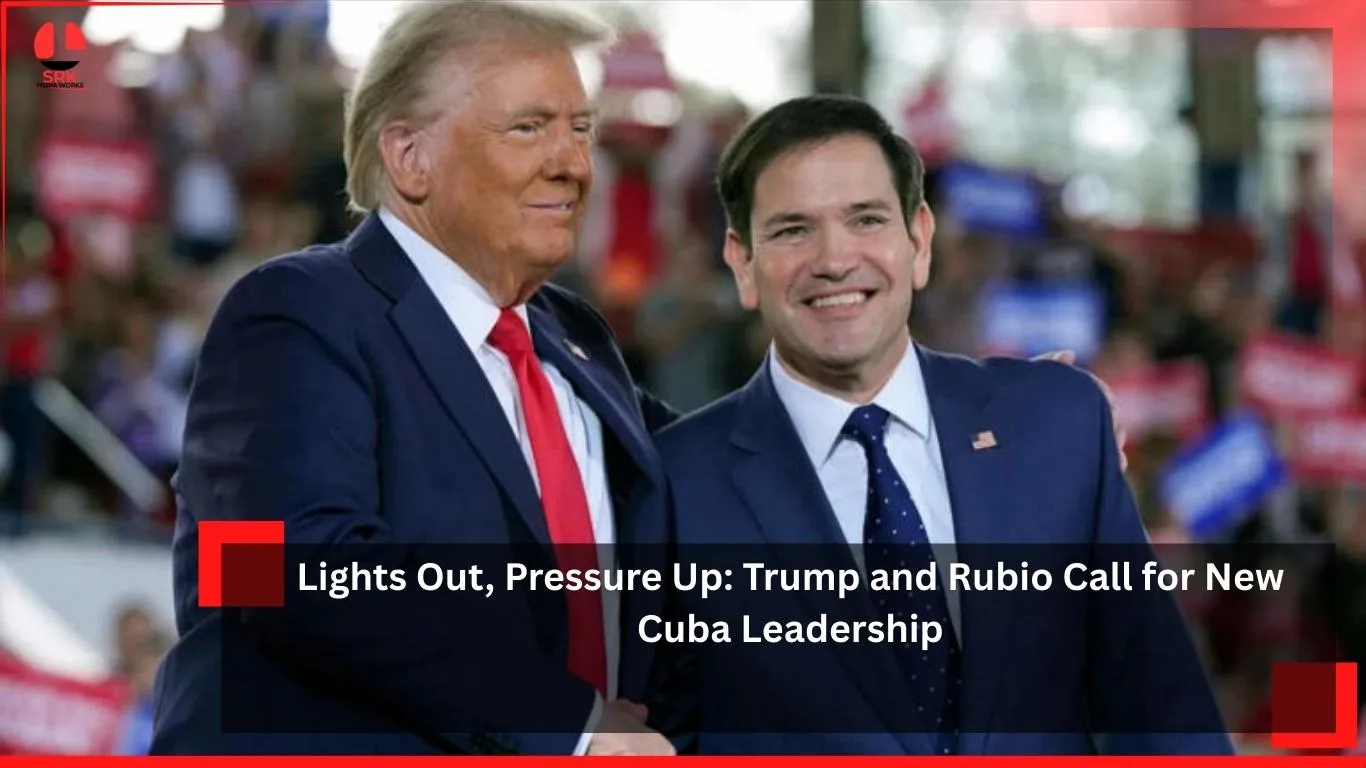
The political spotlight has once again turned toward Cuba as former U.S. President Donald Trump and Senator Marco Rubio intensify their calls for a change in leadership on the island nation. Their remarks, framed under the headline “Lights Out, Pressure Up: Donald Trump, Marco Rubio Demand New Cuba Leadership”, reflect growing frustration over Cuba’s economic crisis, widespread power outages, and human rights concerns.
Background of the Situation
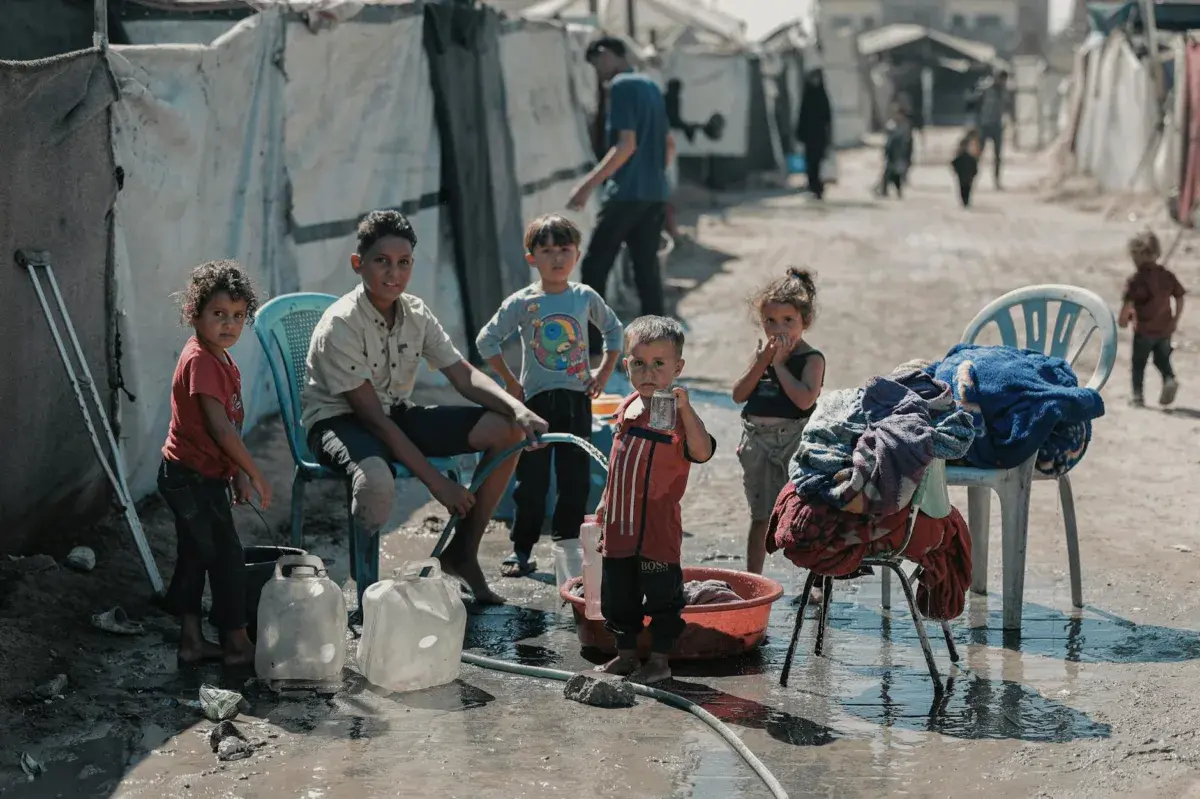
Cuba has been grappling with severe economic challenges, including chronic fuel shortages, inflation, and frequent blackouts that have left citizens in darkness for hours at a time. These hardships have fueled public discontent and triggered protests across the country.
Trump and Rubio, both vocal critics of Cuba’s government, argue that the current leadership has failed to deliver stability or prosperity. Their demand for new leadership is rooted in the belief that Cuba’s political system must undergo fundamental change to ensure freedom, democracy, and economic growth.
Why the Calls for Leadership Change Matter
The United States has historically played a pivotal role in shaping Cuba’s political trajectory. Calls for leadership change from prominent figures like Trump and Rubio carry weight not only in Washington but also among Cuban-American communities in Florida and beyond.
The phrase “Lights Out, Pressure Up” captures the dual crises facing Cuba: literal blackouts that symbolize the nation’s economic collapse, and mounting political pressure from both domestic protests and international voices demanding reform.
Key Highlights of the Situation
| Aspect | Details |
|---|---|
| Economic Crisis | Fuel shortages, inflation, declining productivity |
| Social Impact | Frequent blackouts, public protests, migration pressures |
| US Position | Trump and Rubio demand new leadership |
| Regional Impact | Heightened tensions in Latin America |
| Global Concern | Human rights, democracy, and stability |
Comparative Analysis of US-Cuba Relations
| Period | US Policy Approach | Impact on Cuba |
|---|---|---|
| Cold War Era | Embargo and isolation | Economic stagnation |
| Obama Administration | Limited engagement | Increased tourism, remittances |
| Trump Administration | Renewed sanctions | Economic tightening |
| Current Context | Calls for leadership change | Political pressure intensifies |
This comparison shows how U.S. policy shifts have consistently influenced Cuba’s economic and political environment.
Trump’s Position
Donald Trump has consistently advocated for a hardline stance against Cuba. He argues that sanctions and diplomatic pressure are necessary to weaken the current leadership and pave the way for democratic reforms. His recent remarks emphasize that Cuba’s economic collapse is proof of failed governance, and only new leadership can restore hope for the Cuban people.
Rubio’s Perspective
Senator Marco Rubio, a Cuban-American, has long been one of the most vocal critics of Cuba’s government. He frames the crisis as a humanitarian issue, pointing to widespread poverty, repression, and lack of basic freedoms. Rubio insists that the U.S. must stand firmly with the Cuban people and support their demand for change.
Impact on Cuban Citizens
For ordinary Cubans, the crisis is deeply personal. Blackouts disrupt daily life, from cooking meals to accessing healthcare. Inflation erodes purchasing power, making essentials unaffordable. Many citizens have taken to the streets, demanding accountability and reform.
The calls from Trump and Rubio resonate with these frustrations, though some Cubans remain skeptical of U.S. involvement, fearing that external pressure could worsen their hardships.
Analytical Breakdown of Stakeholders
| Stakeholder | Position | Impact |
|---|---|---|
| US Leaders (Trump, Rubio) | Demand new leadership | Increased political pressure |
| Cuban Government | Defends current system | Faces legitimacy crisis |
| Cuban Citizens | Demand reforms | Struggle with daily hardships |
| International Community | Divided | Some call for dialogue, others for sanctions |
| Cuban-American Diaspora | Support leadership change | Influence US policy debates |
Potential Challenges
While calls for leadership change are gaining momentum, several challenges remain:
- Cuban Government Resistance: The leadership is unlikely to step down voluntarily.
- Risk of Escalation: Increased pressure could lead to harsher crackdowns on protests.
- Diplomatic Complexity: International allies of Cuba may oppose U.S. intervention.
- Humanitarian Concerns: Sanctions risk worsening the economic crisis for ordinary citizens.
Broader Impact on Latin America
The crisis in Cuba has implications beyond its borders. Neighboring countries are watching closely, as instability could trigger migration waves and regional tensions. The U.S. stance, particularly under Trump and Rubio’s influence, may also shape broader Latin American policy, reinforcing Washington’s commitment to democracy and human rights in the region.
Conclusion
The headline “Lights Out, Pressure Up: Donald Trump, Marco Rubio Demand New Cuba Leadership” encapsulates the urgency of the situation. With Cuba facing economic collapse and widespread discontent, calls for leadership change are intensifying. Trump and Rubio’s demands reflect a broader push for reform, though the path forward remains uncertain.
For Cuba, the challenge lies in balancing internal pressures with external demands, while for the U.S., the question is how to support democratic aspirations without exacerbating humanitarian suffering. The coming months will be critical in determining whether Cuba moves toward reform or deeper crisis.
Disclaimer
This article is intended for informational purposes only and does not constitute political advice. The content is based on publicly available information and analysis at the time of writing. Readers should consult multiple perspectives and sources to form a comprehensive understanding of the situation.