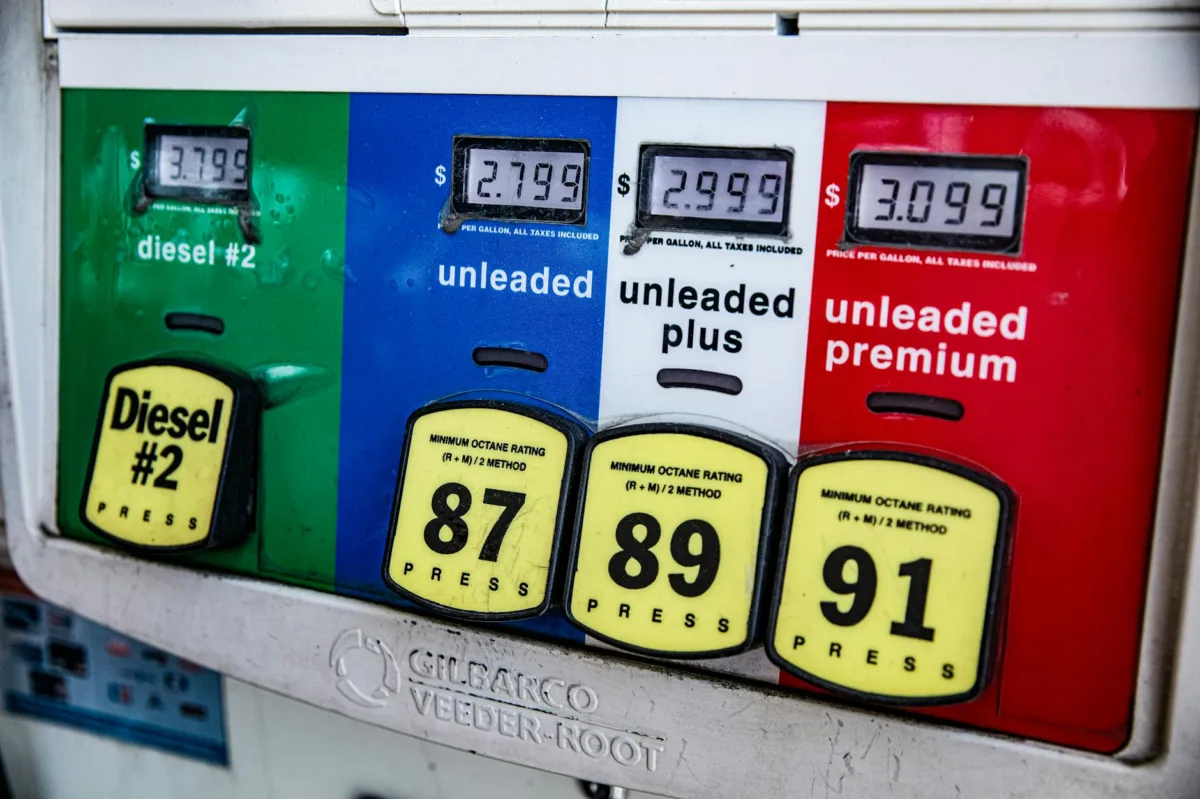





A high-level delegation of U.S. officials arrived in Caracas, Venezuela, this week, marking a significant shift in diplomatic relations following the resumption of the first direct flight between the two nations since 2019. The visit, confirmed by White House sources, centers on a pragmatic push to secure energy interests as global supply chains face ongoing volatility. Administration advisers have characterized the primary objective of the mission with the blunt mantra, “drill, baby, drill,” signaling a prioritization of increased oil production to stabilize international markets.
The Context of Shifting Diplomatic Winds
The relationship between Washington and Caracas has remained strained for over a decade, defined by heavy economic sanctions and a lack of formal recognition of the Venezuelan government. The 2019 suspension of direct air travel served as one of the most visible ruptures in bilateral ties during the height of the political crisis in Venezuela. However, the global energy landscape has changed dramatically since the onset of the conflict in Ukraine, which prompted Western nations to search for alternative crude oil sources.
The Economic and Geopolitical Calculus
The Biden administration’s willingness to engage directly with the Venezuelan government represents a calculated risk aimed at addressing domestic inflation and energy costs. By exploring the potential for increased production from Venezuela’s vast, yet underutilized, oil reserves, the U.S. hopes to ease supply pressures on the global market. Industry experts note that while Venezuelan infrastructure requires significant modernization, the country holds the world’s largest proven oil reserves, making it a critical variable in long-term energy planning.
Expert Perspectives on Energy Security
Energy analysts emphasize that the diplomatic engagement is not a return to normalcy but a strategic necessity. According to data from the U.S. Energy Information Administration, global oil markets remain sensitive to supply shocks, and integrating additional barrels from Latin American producers could provide a necessary buffer. Critics, however, argue that such cooperation complicates the U.S. stance on democratic governance in the region, creating a tension between human rights advocacy and national energy security.
Implications for Global Markets
For the energy industry, this diplomatic thaw could signal a gradual easing of restrictions on joint ventures involving U.S. firms and the Venezuelan state-run oil company, PDVSA. Investors are currently monitoring the situation for any formal announcements regarding licensing agreements that might allow for expanded drilling operations. If successful, these efforts could lead to a modest but vital increase in heavy crude exports, offering a lifeline to both the struggling Venezuelan economy and global refiners looking for specific oil grades.
Moving forward, the primary metric for success will be the tangible increase in output and the stability of the newfound diplomatic channel. Observers should watch for upcoming announcements regarding the extension of direct flight agreements and potential adjustments to the current sanctions regime. The administration faces the ongoing challenge of balancing the immediate need for affordable energy against the complex political realities of the Venezuelan landscape.