



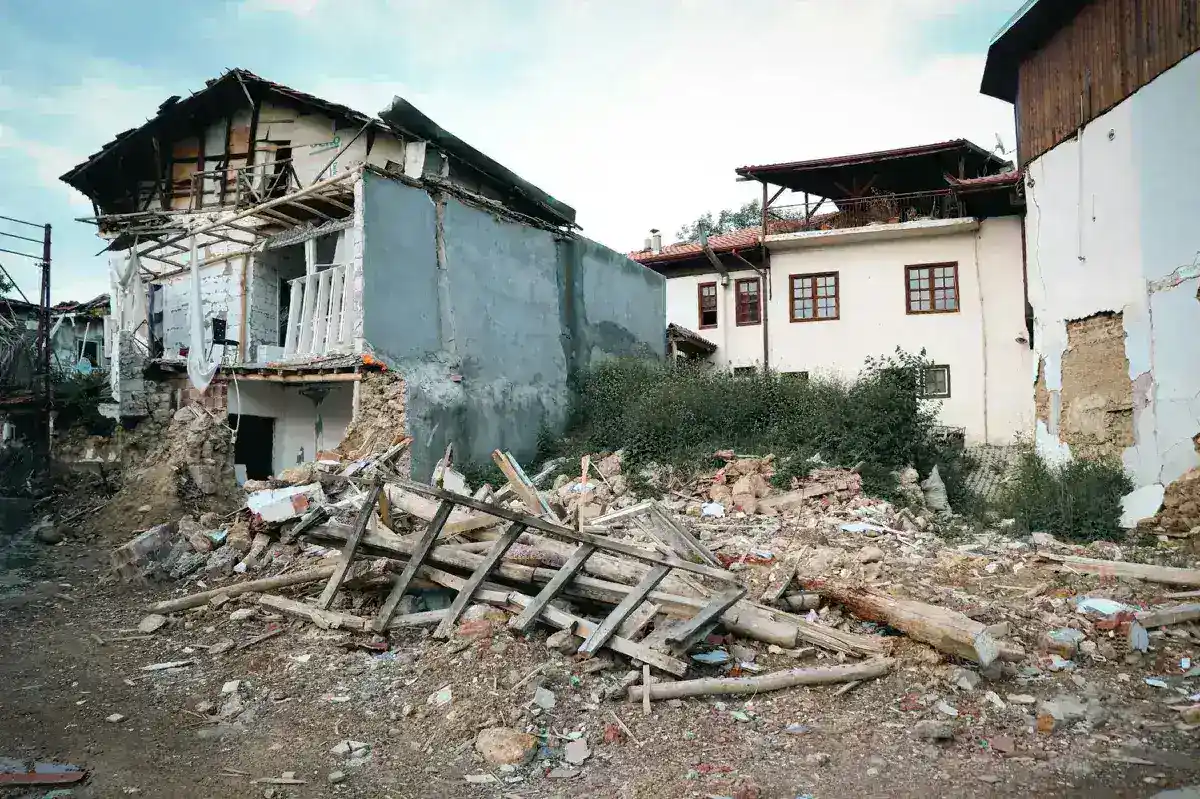
As the fragile cease-fire between Israel and Hezbollah continues to fracture, residents in southern Lebanon are increasingly rallying behind the militant group, setting aside long-standing internal frustrations to seek protection against a deepening military campaign. Israeli forces have intensified their operations, systematically demolishing border villages that they claim have been used as tactical hubs for rocket fire, leaving thousands of civilians displaced and searching for security in a landscape of total destruction.
The Context of a Fragile Front
The current escalation marks the most volatile period in the region since the 2006 Lebanon War. For years, Hezbollah had faced growing domestic criticism in Lebanon, where citizens blamed the group for the country’s catastrophic economic collapse and its unilateral decisions to engage in conflicts that jeopardized national sovereignty.
However, the dynamic has shifted as Israeli ground operations and airstrikes have expanded beyond military targets into residential areas. For many civilians, the political grievances regarding Hezbollah’s influence over the Lebanese state have been eclipsed by the immediate, existential threat posed by the Israeli military presence at their doorstep.
A Tactical Shift in Local Sentiment
Interviews with displaced residents reveal a psychological pivot. While many Lebanese citizens previously vocalized exhaustion with Hezbollah’s perpetual state of war, the sight of home demolitions and the loss of entire neighborhoods have fostered a sense of collective vulnerability.
Political analyst Dr. Karim Makdisi notes that when a community feels abandoned by the central government and under direct fire, they often consolidate around the only actor capable of providing a perceived defense. This phenomenon, often observed in asymmetric warfare, shows that external military pressure can inadvertently consolidate the domestic power base of a militant organization.
The Cost of Escalation
The scale of physical destruction in southern Lebanon is unprecedented in recent history. Satellite imagery analyzed by humanitarian organizations suggests that entire swaths of infrastructure, including water systems, schools, and private homes, have been rendered uninhabitable.
These conditions have triggered a humanitarian crisis that exacerbates the reliance on Hezbollah’s social and military wings. In the absence of an effective Lebanese Armed Forces presence in the south, Hezbollah has stepped in to provide aid, logistical support, and what many locals describe as the only active resistance against the Israeli advance.
Implications for the Regional Standoff
This rally-around-the-flag effect complicates the long-term diplomatic efforts to stabilize the border. International mediators, including representatives from the United States and France, have struggled to enforce a lasting peace, as the tactical realities on the ground have moved faster than the diplomatic frameworks.
Looking ahead, observers should monitor the potential for a prolonged insurgency. As Israel continues its entrenchment, the integration of local civilian support for Hezbollah may signal a transition into a more entrenched, protracted guerilla conflict that extends well beyond the current cease-fire attempts. The effectiveness of future diplomatic negotiations will likely depend on whether the international community can provide a security alternative that addresses the immediate protection needs of the southern Lebanese population.