





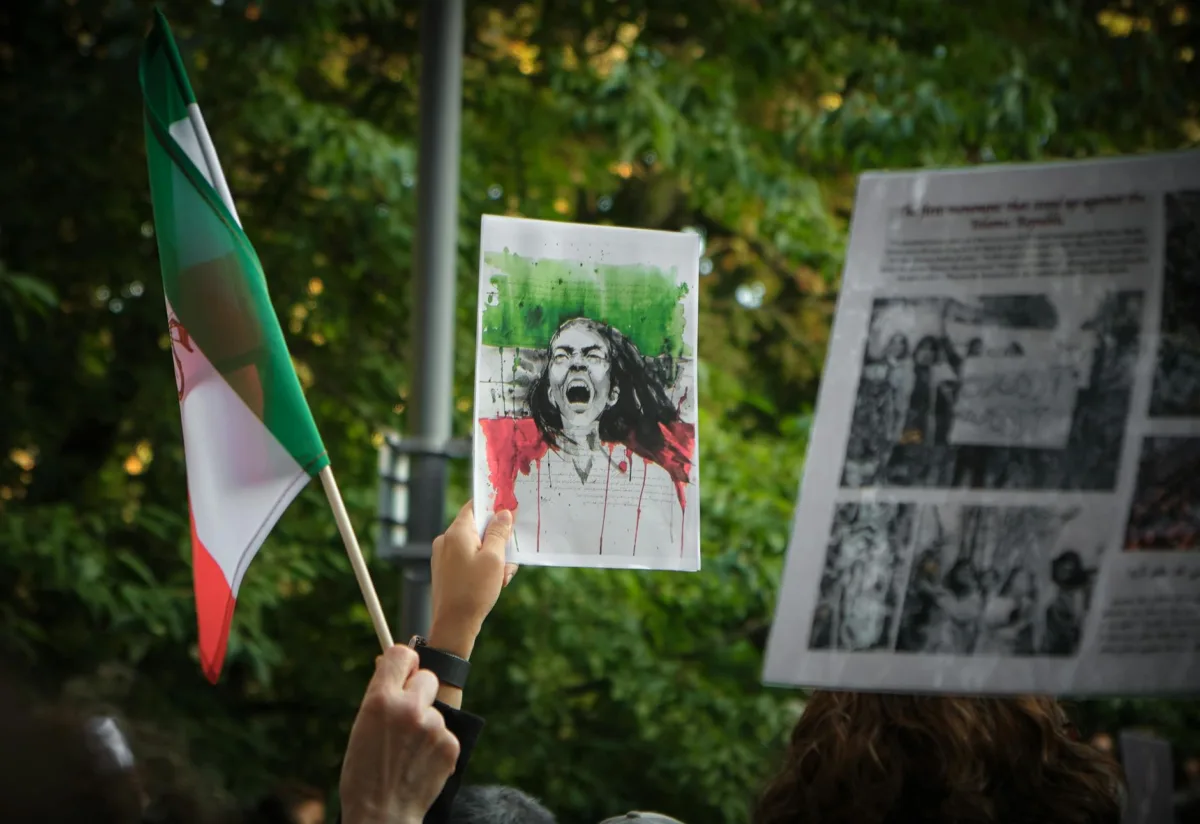
Narges Mohammadi, the imprisoned Iranian human rights activist and 2023 Nobel Peace Prize laureate, was transferred to a hospital on Saturday after suffering a sudden heart complication inside Tehran’s notorious Evin Prison. Her family and support organizations confirmed that the 52-year-old activist collapsed following a prolonged period of deteriorating health exacerbated by inadequate medical care while in state custody.
Context of Detention and Advocacy
Mohammadi has spent much of the last two decades in and out of Iranian prisons for her vocal opposition to the death penalty, mandatory hijab laws, and systemic suppression of women’s rights. She is currently serving a cumulative sentence of over 12 years on charges often described by international human rights watchdogs as politically motivated, including “spreading propaganda against the system.”
Despite her incarceration, Mohammadi has continued to document prison conditions and advocate for reform, becoming a global symbol of resistance. The Norwegian Nobel Committee awarded her the Peace Prize in October 2023 for her “fight against the oppression of women in Iran and her fight to promote human rights and freedom for all.”
Medical Neglect and Prison Conditions
Advocacy groups, including the Narges Mohammadi Foundation, have long warned that Iranian authorities frequently deny medical treatment to political prisoners as a form of pressure. Reports from her family indicate that Mohammadi has suffered from various health issues, including heart and lung problems, which have been left untreated or inadequately managed during her current term.
The UN Working Group on Arbitrary Detention has previously called for her immediate release, citing the violation of international standards regarding the treatment of prisoners. The Iranian government has consistently denied these allegations, maintaining that its judicial processes are independent and that all prisoners receive necessary care within the constraints of the law.
Global Reaction and Diplomatic Pressure
International outcry regarding Mohammadi’s hospitalization has been swift, with organizations like Amnesty International and Reporters Without Borders demanding her unconditional release. The Nobel Committee issued a statement reiterating that the responsibility for her health lies solely with the Iranian authorities.
Experts suggest that the hospitalization highlights the precarious position of political detainees in Iran. “The case of Narges Mohammadi is not an isolated incident but part of a broader pattern of using health as a leverage point against dissenters,” said a policy analyst at a leading human rights monitoring agency. Data from the Human Rights Activists News Agency (HRANA) suggests that hundreds of political prisoners currently face similar challenges, with limited access to specialized medical facilities outside the prison system.
Implications for Future Activism
The incident places renewed pressure on the international community to address the humanitarian crisis within Iran’s prison system. Observers are now watching to see if the Iranian government will grant Mohammadi a medical furlough, a move that would be seen as a rare concession to international human rights pressure.
Analysts suggest that if authorities continue to deny her adequate care, it could lead to further diplomatic isolation and increased calls for targeted sanctions. The coming weeks will be critical in determining whether the global spotlight on her health condition will force a change in her detention status or lead to a broader dialogue on the treatment of political prisoners in the region.