





The Emergence of Virtual Closure
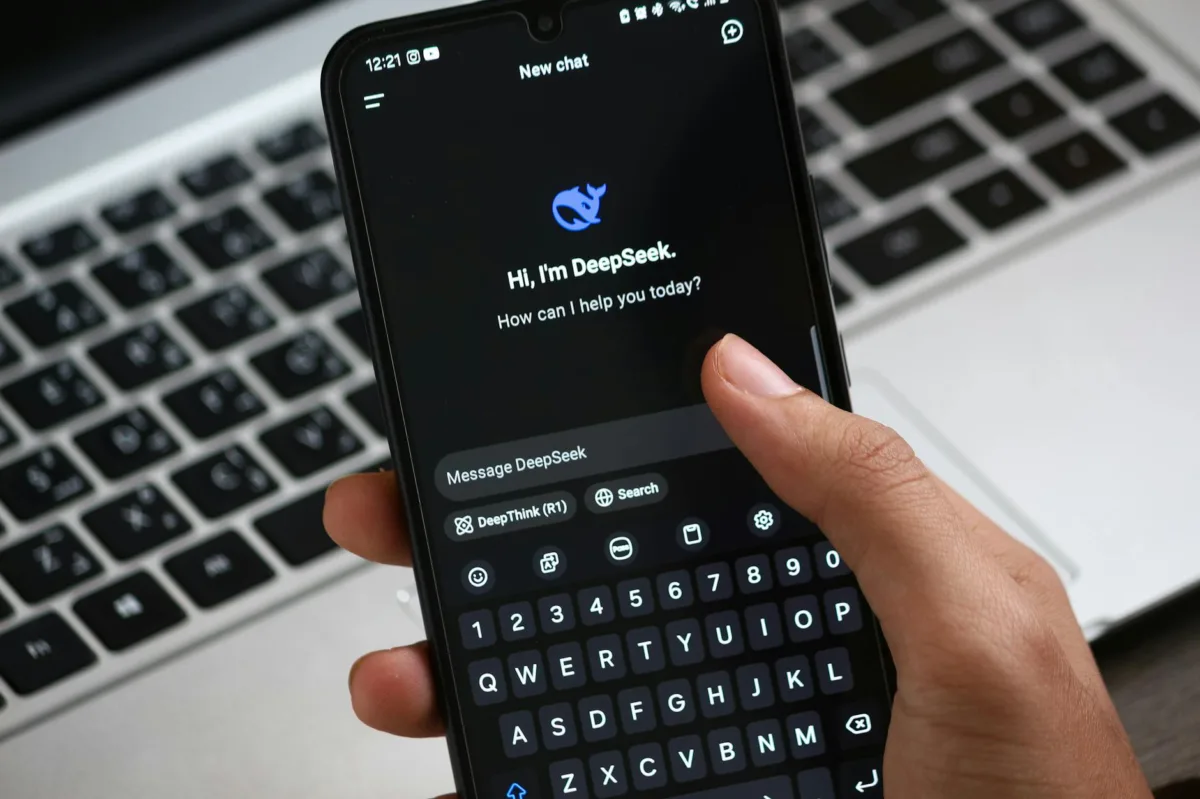
Young adults across China are increasingly turning to generative artificial intelligence to simulate conversations with former romantic partners, a trend that has rapidly gained traction on social media platforms like Xiaohongshu and Weibo throughout early 2024. By inputting chat logs and personal details into Large Language Models (LLMs), users are creating digital avatars capable of mimicking the speech patterns and personality traits of their exes, seeking either emotional closure or a temporary reprieve from loneliness.
The Evolution of Digital Companionship
The phenomenon emerges from China’s mature ecosystem of AI-driven social companions, which previously focused on idealised virtual partners. While platforms like Baidu’s ‘Wenye’ or various open-source models allow for general companionship, the shift toward re-creating specific past relationships represents a significant psychological pivot. This trend is facilitated by the widespread availability of low-cost, accessible AI tools that require minimal technical expertise to configure.
Psychological Motivations and Technical Methods
Users typically provide the AI with specific context, including past arguments, shared memories, and emotional triggers, to train the model to respond in a way that feels authentic to the departed partner. Proponents of the practice argue that it provides a controlled environment to process unresolved grievances or to ‘say goodbye’ in a way that the real-world partner may have denied them. However, critics point to the potential for emotional dependency, noting that the AI, by design, is programmed to be agreeable and attentive, which may distort the memory of the original relationship.
Expert Perspectives on AI Interaction
Psychologists warn that relying on simulated interactions may impede the natural grieving process associated with breakups. Dr. Chen Wei, a behavioral researcher based in Shanghai, notes that while these tools offer immediate comfort, they risk creating a ‘feedback loop’ where the user becomes addicted to a sanitized, predictable version of a person rather than engaging with reality. Data from recent industry reports suggest that over 30% of users engaging with these “grief-tech” tools report using them as a temporary coping mechanism, though long-term psychological impacts remain largely unstudied.
Industry and Ethical Implications
The rise of these simulations raises urgent questions regarding data privacy and the ethics of digital resurrection. Many of these AI platforms operate with minimal oversight, raising concerns about how intimate personal data—often including private chat transcripts—is stored and potentially utilized for model training. Furthermore, the practice raises the ethical issue of consent, as the AI is effectively simulating the identity of a real person without their knowledge or permission.
The Future of Digital Mourning
As AI technology becomes more sophisticated, the line between memory and simulation will continue to blur. Industry analysts expect to see more dedicated apps specifically designed for ‘relationship closure’ as developers recognize the market potential for emotional support tools. Observers are now watching to see if regulators will intervene to establish guidelines on the use of personal data in identity simulation, or if the market will remain largely self-regulated as it continues to expand into the private lives of millions.