








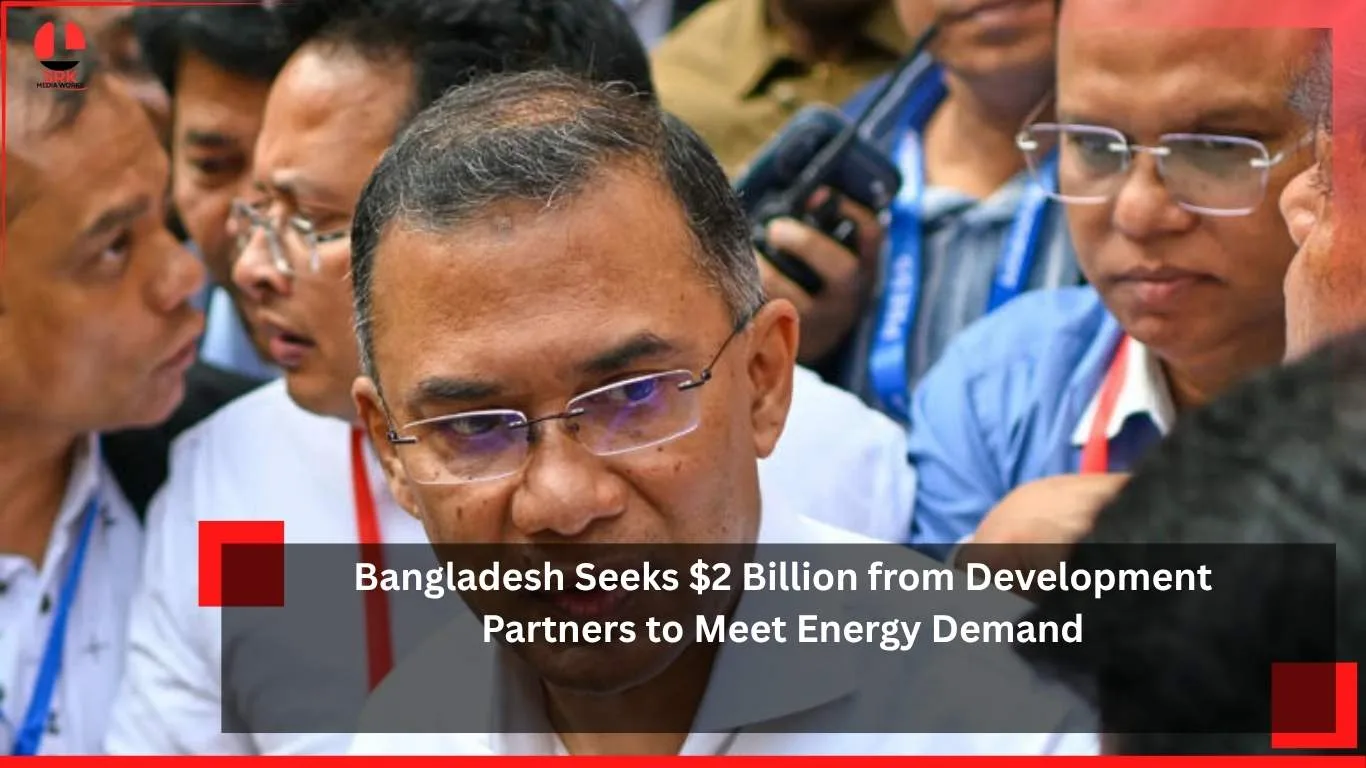
Bangladesh has formally approached international development partners for $2 billion in financial assistance to address its growing energy demand. The South Asian nation, with a rapidly expanding economy and industrial base, faces mounting pressure to secure reliable energy supplies to sustain growth, stabilize industries, and meet the needs of its population. This request underscores the urgency of energy financing in a country where electricity demand has surged due to industrialization, urbanization, and rising living standards.
Rising Energy Demand in Bangladesh
Bangladesh’s energy demand has been increasing at an annual rate of nearly 10%. Industrial expansion, particularly in textiles, garments, and manufacturing, has placed immense pressure on the national grid. The government has prioritized energy security as a cornerstone of its development agenda, recognizing that without adequate power supply, economic growth could stall.
The country’s energy mix is heavily dependent on natural gas, which accounts for more than 60% of electricity generation. However, domestic gas reserves are depleting, forcing the government to import liquefied natural gas (LNG) at high costs. This has created fiscal challenges, especially in the wake of global energy price volatility.
Why Bangladesh Needs $2 Billion
The $2 billion request is aimed at financing multiple energy-related projects, including:
- Expansion of LNG import facilities
- Investment in renewable energy projects such as solar and wind
- Modernization of power plants to improve efficiency
- Strengthening transmission and distribution networks
- Subsidizing energy costs to protect vulnerable households
This funding is expected to bridge the gap between current supply and projected demand, ensuring that industries remain competitive and households have access to affordable electricity.
Government’s Energy Strategy
Bangladesh has set ambitious targets to diversify its energy sources. By 2030, the government aims to generate at least 40% of electricity from renewable sources. Solar power projects are being rolled out across rural areas, while wind energy initiatives are being explored along coastal regions. Additionally, the government is considering regional energy cooperation with neighboring countries to import electricity.
Key Focus Areas:
- Renewable Energy Expansion: Large-scale solar parks and rooftop solar installations.
- Gas and LNG Infrastructure: New terminals to secure imports.
- Coal and Nuclear Projects: Long-term diversification strategies.
- Energy Efficiency Programs: Reducing wastage in industrial and household consumption.
Economic Implications
Energy shortages have already impacted Bangladesh’s economy. Frequent power outages disrupt industrial production, leading to reduced exports and loss of competitiveness. The garment industry, which contributes over 80% of export earnings, is particularly vulnerable. Securing $2 billion in funding would help stabilize energy supply, boost investor confidence, and sustain economic growth.
Impact on Key Sectors:
- Textiles and Garments: Reliable energy ensures uninterrupted production.
- Agriculture: Electricity is vital for irrigation and food processing.
- Technology and Services: Stable power supports digital transformation.
- Households: Affordable electricity improves living standards.
Comparative Energy Financing in South Asia
Bangladesh’s request for $2 billion aligns with regional trends. Neighboring countries like India and Pakistan have also sought international financing to meet energy challenges. The pivot towards renewable energy is a common theme across South Asia, driven by climate commitments and the need to reduce dependence on fossil fuels.
Comparative Overview
| Country | Recent Energy Financing Request | Focus Areas |
|---|---|---|
| Bangladesh | $2 Billion | LNG, renewables, transmission |
| India | $10 Billion | Solar, wind, green hydrogen |
| Pakistan | $3 Billion | LNG, hydropower, coal modernization |
| Nepal | $1 Billion | Hydropower, cross-border electricity |
Energy Financing Breakdown
The proposed $2 billion funding for Bangladesh is expected to be allocated across different sectors.
| Sector | Allocation (USD) | Purpose |
|---|---|---|
| LNG Infrastructure | $600 Million | Import terminals, storage facilities |
| Renewable Energy | $500 Million | Solar, wind, hybrid projects |
| Power Plant Modernization | $400 Million | Efficiency upgrades, emission control |
| Transmission Networks | $300 Million | Grid expansion, smart systems |
| Subsidies & Social Safety | $200 Million | Protecting vulnerable households |
This structured allocation reflects the government’s balanced approach to both immediate and long-term energy needs.
Challenges Ahead
While Bangladesh’s energy financing request is timely, several challenges remain:
- Global Energy Price Volatility: Rising LNG prices could strain budgets.
- Climate Commitments: Balancing fossil fuel imports with renewable expansion.
- Debt Sustainability: Ensuring that external borrowing does not burden future generations.
- Implementation Capacity: Efficient project execution is critical to success.
International Response
Development partners, including the World Bank, Asian Development Bank, and bilateral donors, are expected to evaluate Bangladesh’s request. Given the country’s strategic importance in South Asia and its role as a fast-growing economy, international partners may view this as an opportunity to support sustainable development while advancing global climate goals.
Future Outlook
Bangladesh’s energy demand will continue to rise as its economy grows. Securing $2 billion in financing is not just about meeting immediate needs but also about laying the foundation for long-term energy security. The government’s focus on renewables, efficiency, and regional cooperation suggests a forward-looking strategy that balances growth with sustainability.
Disclaimer
This article is a comprehensive news analysis prepared for informational purposes only. It is not an official government statement or financial advice. Readers are encouraged to verify details from authoritative sources before drawing conclusions. The content aims to provide insights into Bangladesh’s energy financing request and its broader economic implications.