





New Visa Pathways for Cultural Enthusiasts
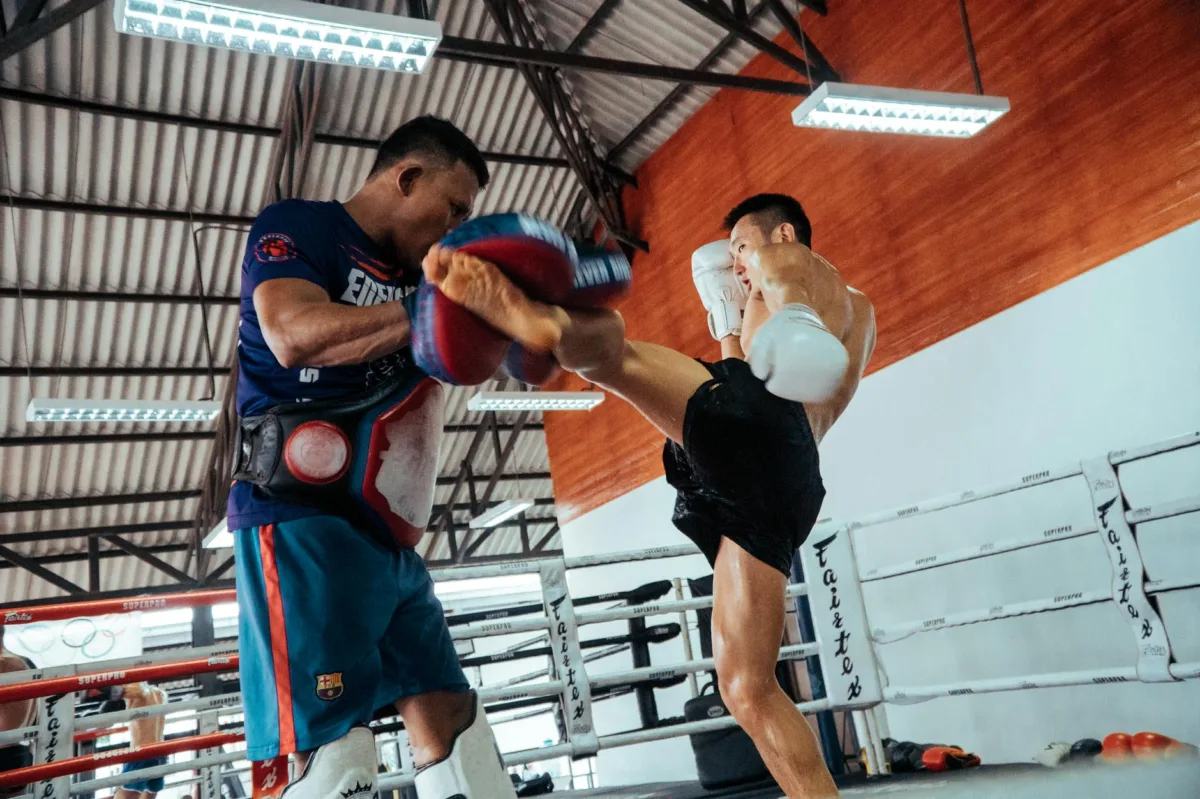
The Thai government has officially introduced a specialized visa program allowing international visitors to stay in the country for up to five years by enrolling in Muay Thai training programs. This initiative, launched by the Ministry of Foreign Affairs and the Tourism Authority of Thailand, aims to leverage the nation’s traditional martial arts as a primary pillar of its “soft power” strategy to attract long-term residents.
Previously, travelers looking for extended stays in Thailand were often restricted to 60-day tourist visas or complex business and retirement permits. By reclassifying Muay Thai instruction as a legitimate educational activity, the government has created a legal pathway for enthusiasts to reside in the country while engaging in cultural immersion.
The Evolution of Soft Power Diplomacy
Thailand has long sought to diversify its tourism sector beyond the traditional “sun and sand” model. In 2023, the government launched the “Soft Power Strategy,” identifying five key pillars—Food, Film, Fashion, Fighting (Muay Thai), and Festivals—to promote Thai culture globally.
The Muay Thai visa is the most tangible result of this policy shift. It reflects an effort to formalize the status of “sport tourism,” which has seen steady growth over the last decade. Muay Thai gyms in cities like Bangkok, Chiang Mai, and Phuket have reported a 25% increase in international students since the policy was first discussed by the cabinet late last year.
Program Requirements and Training Realities
Contrary to the image of grueling professional fight camps, the visa program is designed for students of all levels. Applicants do not need to be professional fighters or even participate in sparring sessions to qualify for the extended stay.
“The goal is cultural exchange and fitness, not necessarily competitive combat,” says Dr. Somchai Prasert, a policy analyst at the Tourism Council of Thailand. “Participants must show proof of enrollment at an accredited gym and maintain a record of attendance, but the training is tailored to the individual’s physical capability and interest.”
Data from the Ministry of Tourism suggests that long-stay visitors contribute significantly more to the local economy than short-term tourists. On average, a long-term student visa holder spends approximately 40% more per month on housing, nutrition, and local services compared to the average backpacker.
Industry and Economic Implications
For the Thai tourism industry, this policy represents a pivot toward “quality tourism.” By encouraging visitors to stay for months or years, the government hopes to stabilize the hospitality sector and reduce the environmental strain caused by high-volume, short-term tourism.
Local gyms are now undergoing a period of rapid professionalization to meet the requirements of the new visa scheme. Gym operators are required to register with the Ministry of Education and provide structured curriculums to ensure that visa holders are genuinely engaged in learning the martial art.
However, the influx of long-term residents may also place pressure on local housing markets in popular training hubs. Concerns regarding the saturation of urban centers have prompted the government to encourage training centers in secondary provinces to participate in the program, potentially decentralizing the economic benefits of the visa scheme.
What to Watch Next
As the first wave of visa holders begins to settle into Thai training camps, industry observers will be watching to see if the government expands the policy to include other “soft power” sectors, such as traditional Thai cooking or massage therapy. The long-term success of the program will likely depend on the ability of local gyms to maintain high educational standards and the government’s capacity to monitor the legitimacy of participating institutions.