








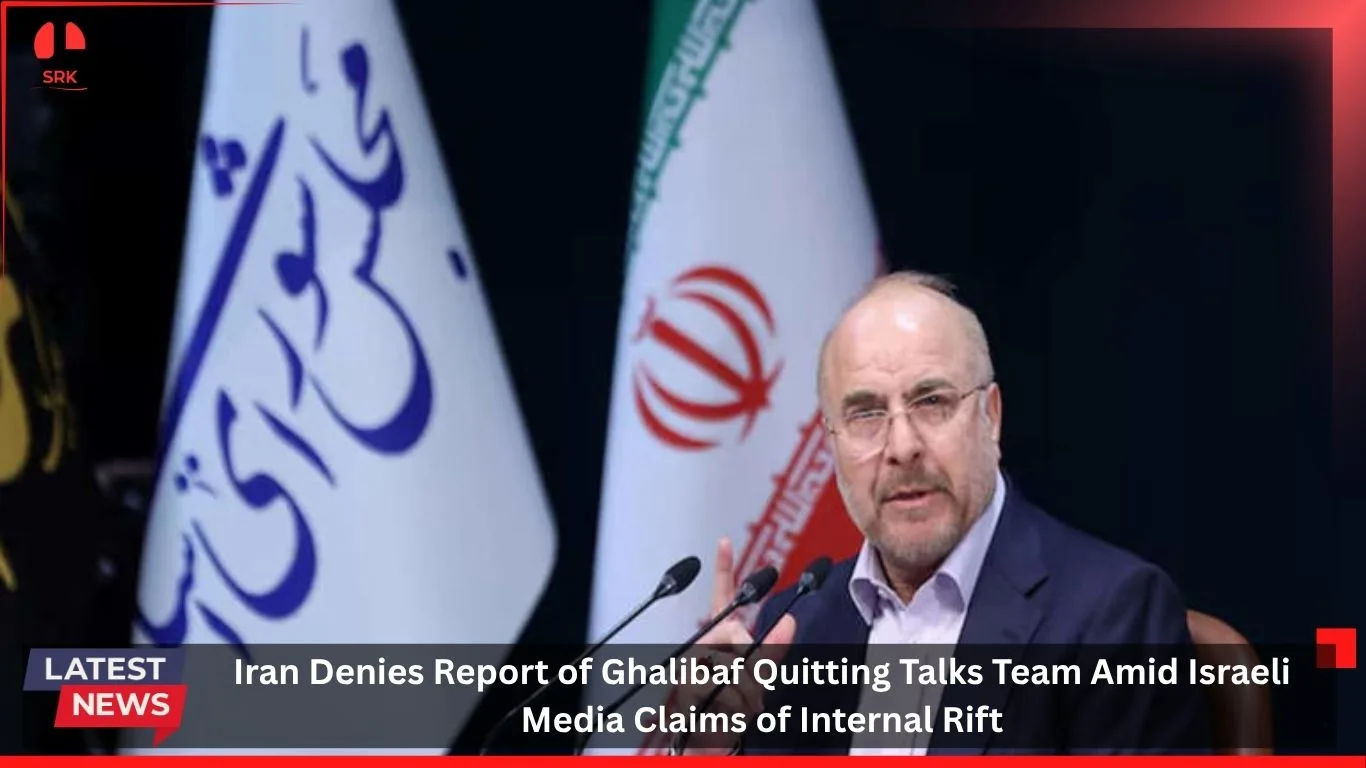
Iran has firmly rejected reports circulating in Israeli media that Mohammad Bagher Ghalibaf, Speaker of Iran’s Parliament, has stepped down from the country’s negotiation team. Officials in Tehran dismissed the claims as baseless, emphasizing that there is no internal rift within the leadership regarding ongoing diplomatic talks.
Iran’s Official Response
Iranian authorities clarified that Ghalibaf continues to play a significant role in the political and diplomatic framework. They accused Israeli outlets of attempting to spread misinformation to undermine Iran’s position in negotiations.
- Denial of Resignation: Iranian officials confirmed Ghalibaf remains part of the leadership team.
- Accusation of Propaganda: Tehran labeled the reports as deliberate attempts to sow discord.
- Unified Front: Iran stressed that its negotiation team operates with cohesion and strategic alignment.
Israeli Media Claims
Israeli media outlets suggested that Ghalibaf had quit due to disagreements within Iran’s leadership. These reports alleged tensions between hardliners and moderates over the direction of talks.
- Claimed Rift: Reports pointed to internal divisions.
- Focus on Negotiations: Suggested disputes over strategy in regional diplomacy.
- Iran’s Rebuttal: Officials dismissed the claims as fabricated.
Background on Ghalibaf
Mohammad Bagher Ghalibaf is a prominent Iranian politician with a history of leadership roles:
| Position | Tenure | Role |
|---|---|---|
| Mayor of Tehran | 2005–2017 | Oversaw urban development |
| Presidential Candidate | Multiple elections | Represented conservative bloc |
| Speaker of Parliament | 2020–present | Key figure in legislative leadership |
His continued presence in Iran’s political landscape makes reports of his resignation particularly significant, hence the strong denial.
Implications for Negotiations
The rumors and subsequent denial highlight the sensitivity of Iran’s diplomatic engagements:
- Regional Diplomacy: Iran remains engaged in talks with global powers over security and economic issues.
- Internal Unity: Denial of rift signals Iran’s intent to project stability.
- External Perception: Israeli media reports may aim to weaken confidence in Iran’s negotiation stance.
Expert Opinions
- Middle East Analysts: “Reports of internal rifts are often exaggerated to influence negotiations.”
- Political Commentators: “Iran’s denial reflects its desire to maintain a strong image internationally.”
- Diplomatic Observers: “Media narratives can shape perceptions, but official statements carry weight in diplomacy.”
Historical Context of Similar Claims
| Year | Claim | Outcome |
|---|---|---|
| 2015 | Reports of divisions during nuclear deal talks | Iran denied, deal finalized |
| 2021 | Alleged rift over regional security talks | Denied, negotiations continued |
| 2026 | Ghalibaf quitting talks team | Denied, leadership remains intact |
This pattern shows that rumors of internal divisions often surface during critical negotiations but are consistently denied by Iranian authorities.
Public Sentiment
Within Iran, the denial has been met with support from political allies who emphasize national unity. On social media, many Iranians criticized foreign media for attempting to destabilize perceptions of their leadership.
Conclusion
Iran’s denial of reports claiming Ghalibaf’s resignation underscores its determination to project unity and stability in the face of external narratives. While Israeli media suggested internal rifts, Tehran’s response highlights its commitment to maintaining a cohesive negotiation team. The incident reflects the broader battle of narratives that often accompanies high-stakes diplomacy in the Middle East.
Disclaimer
This article is based on publicly available information and commentary regarding Israeli media reports and Iran’s official denial of claims about Mohammad Bagher Ghalibaf. It is intended for informational purposes only and does not represent official statements from governments or political parties. Readers should rely on official sources for verified updates.