




A Cultural Ascent at the Roof of the World
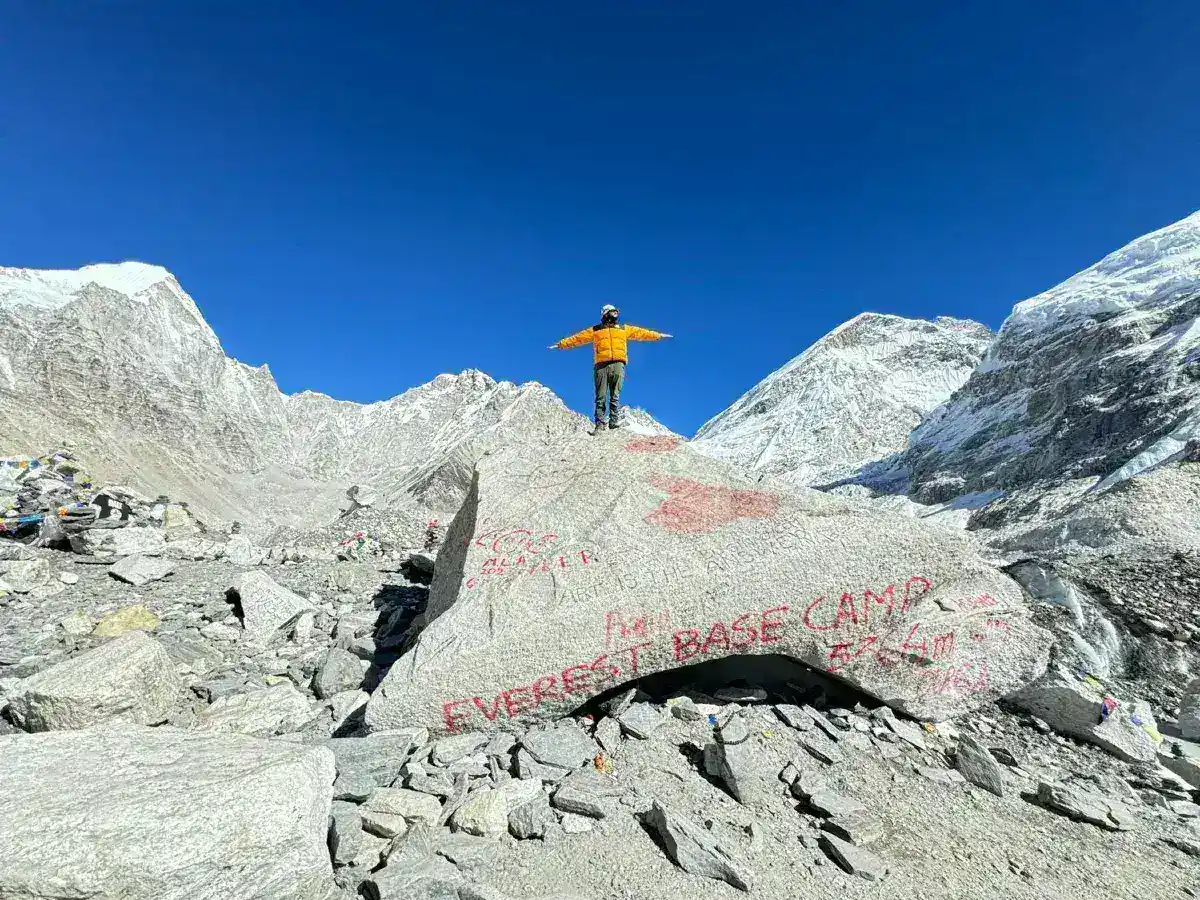
Indian mountaineer Arushi Nishank recently captivated a global audience by performing a graceful Bharatnatyam dance at the foothills of Mount Everest, marking a unique intersection of high-altitude exploration and traditional performing arts. The performance, which took place earlier this week at the Everest Base Camp, served as a tribute to both the resilience of the human spirit and the rich cultural heritage of India, drawing widespread praise across social media platforms.
The Intersection of Art and Altitude
Bharatnatyam is one of the oldest classical dance forms in India, traditionally performed in temples and characterized by intricate footwork, expressive mudras, and rhythmic precision. Performing such a physically demanding art form at an altitude of approximately 17,598 feet presents significant physiological challenges, including reduced oxygen levels and extreme cold. Nishank’s decision to undertake this performance at such an elevation highlights the growing trend of ‘performance activism’ where individuals leverage extreme environments to draw attention to cultural preservation and personal endurance.
Challenging Physical Boundaries
Medical experts note that performing high-intensity physical activity at Everest Base Camp is rarely attempted due to the risk of Acute Mountain Sickness (AMS) and the physical exhaustion associated with trekking. The climber’s ability to maintain the balance and coordination required for Bharatnatyam while acclimating to the thin air demonstrates months of rigorous physical conditioning and respiratory training. This feat follows a broader shift in mountaineering culture, where athletes are increasingly seeking to combine personal milestones with artistic or humanitarian expressions rather than focusing solely on summiting peaks.
Cultural Diplomacy and Global Reach
The viral nature of the performance underscores the power of digital connectivity in promoting cultural heritage on the world stage. By showcasing a traditional Indian art form against the backdrop of the Himalayas, Nishank has sparked a renewed interest in classical dance among younger demographics who primarily consume content through short-form video platforms. Industry analysts suggest that this type of organic content creation is becoming an essential tool for cultural diplomacy, allowing individuals to reach millions without the need for traditional media gatekeepers.
Future Implications for High-Altitude Tourism
As the trend of combining extreme sports with niche performances gains momentum, tourism operators in the Khumbu region are observing a shift in visitor demographics. Travelers are increasingly seeking ‘experiential value’ that goes beyond simple trekking, looking to document unique skills or artistic performances in iconic locations. This evolution suggests that the future of high-altitude tourism will likely involve more curated, content-driven experiences that prioritize personal expression. Observers should watch for how regulatory bodies in Nepal manage the increasing pressure for such performances, as they must balance the desire for creative freedom with the need to preserve the sanctity and environmental integrity of the Everest region.