


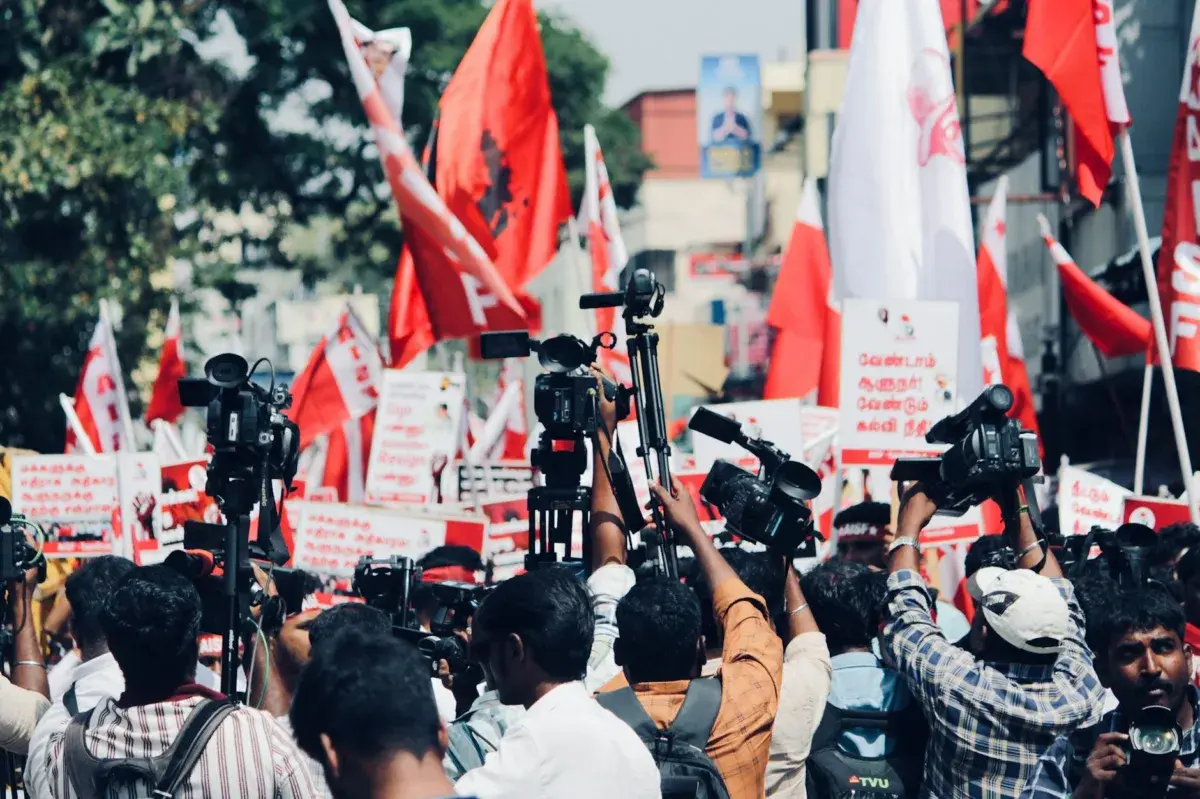
Reporters Without Borders (RSF) recently released its annual Press Freedom Index for 2026, revealing a concerning global landscape where media freedom continues to erode in many nations. The report highlighted a significant shift in South Asia, with India notably ranking below its neighbors Nepal and Pakistan, signaling a worsening environment for journalists and independent media within the world’s largest democracy.
Context: The Pillars of Press Freedom Under Strain
Press freedom is a cornerstone of any functioning democracy, enabling citizens to make informed decisions and holding power accountable. Organizations like RSF assess this freedom by evaluating various indicators, including the legal framework, media independence, safety of journalists, economic context, socio-cultural environment, and political context in 180 countries and territories.
Globally, the trend over the past decade has largely been one of decline, with increasing digital surveillance, economic pressures on media outlets, and the spread of disinformation challenging traditional journalism. The 2026 index reflects these persistent pressures, compounded by new forms of censorship and harassment.
India’s Steep Decline: A Closer Look
India’s ranking below Nepal and Pakistan marks a critical juncture, indicating a sustained deterioration in its press freedom environment. Analysts point to a confluence of factors contributing to this decline, including increasing pressure from government authorities, the weaponization of legal frameworks against journalists, and a rise in online harassment campaigns.
Reports from various media advocacy groups indicate a surge in sedition charges and other restrictive laws being invoked against journalists critical of the government. This has fostered an environment of self-censorship, where media outlets and individual reporters often refrain from covering sensitive topics to avoid legal repercussions or physical threats.
Economically, many independent media houses in India face significant challenges, with advertising revenues often influenced by government relations. This financial vulnerability further compromises editorial independence, leading to a landscape dominated by pro-establishment narratives.
Regional Dynamics: Nepal and Pakistan’s Relative Positions
While Nepal and Pakistan still face their own considerable challenges regarding press freedom, their relatively better standing compared to India suggests specific dynamics at play. In Nepal, improvements have been attributed to a more robust legal framework protecting journalists and a less overtly hostile political climate towards independent media.
Pakistan, despite its history of military interventions and challenges, has seen some civil society efforts and judicial interventions that have occasionally offered respite to journalists. However, both nations continue to grapple with issues like digital censorship, violence against journalists, and the influence of powerful non-state actors.
The comparison underscores that press freedom is not a static condition but a dynamic struggle, influenced by political will, judicial independence, and the resilience of civil society.
Global Picture: Best and Worst Performers
The 2026 index once again highlighted Nordic countries like Norway, Denmark, and Sweden among the top performers, lauded for their strong legal protections, transparent governance, and public trust in media. These nations consistently demonstrate robust support for independent journalism and critical reporting.
Conversely, countries like Eritrea, North Korea, China, and Vietnam remained at the bottom of the rankings, characterized by authoritarian regimes that exert absolute control over information, systematically imprison journalists, and suppress any form of dissent. These nations represent extreme examples of media suppression, where the state dictates public discourse.
Expert Perspectives and Data Points
Dr. Anya Sharma, a media ethics professor at the University of Global Studies, commented, “India’s slide is particularly alarming because it undermines the very foundations of its democratic identity. When the fourth estate is compromised, public discourse becomes impoverished, and accountability suffers.” She added that data suggests a direct correlation between declining press freedom and the rise of populism and misinformation.
According to a report by the Committee to Protect Journalists (CPJ) for the period leading up to 2026, there was a 15% increase in arrests of journalists on ‘national security’ grounds globally, with a significant portion occurring in countries experiencing democratic backsliding, including India.
Implications and What to Watch Next
The declining press freedom in a country as populous and influential as India carries profound implications, not just for its own citizens but for the global democratic order. It signals a weakening check on power, potentially leading to increased corruption, human rights abuses, and a less informed electorate.
For media organizations, the challenge lies in finding sustainable business models that do not compromise editorial independence, while also ensuring the safety and security of their journalists. International bodies and civil society groups will likely intensify their advocacy efforts, urging governments to uphold their commitments to freedom of expression.
Going forward, observers will be watching for legislative reforms related to media, the outcomes of legal cases involving journalists, and the broader political climate in India. The resilience of independent media and the public’s demand for credible information will be crucial in determining whether this downward trend can be reversed.