




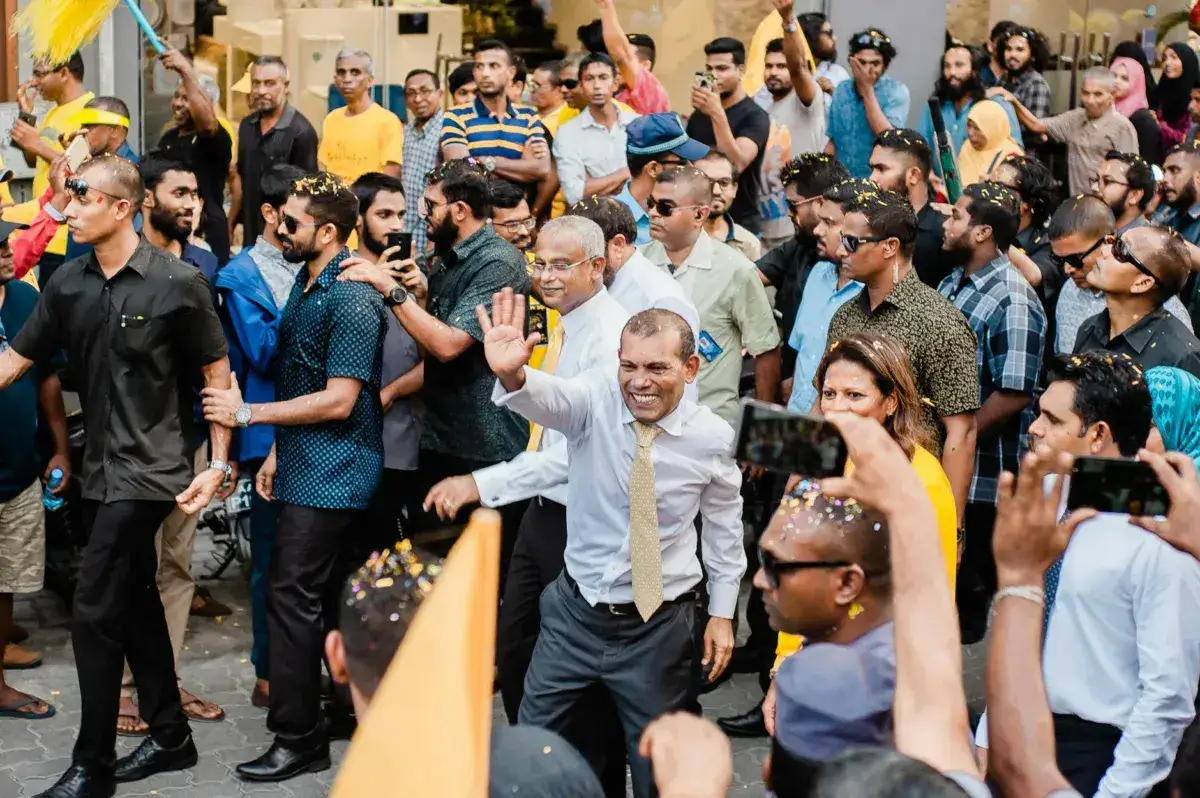
West Bengal is bracing for a high-stakes political showdown in 2026, as Chief Minister Mamata Banerjee’s Trinamool Congress (TMC) and the Bharatiya Janata Party (BJP), led by Leader of Opposition Suvendu Adhikari, prepare to lock horns in the upcoming state assembly elections. With the electoral cycle gaining momentum, political analysts are closely monitoring shifting voter demographics and organizational realignments that could determine the future trajectory of the state’s governance.
The Political Landscape
The 2026 assembly elections represent a critical juncture for West Bengal, a state that has been defined by a fierce binary competition between the ruling TMC and the rising BJP influence over the last decade. Mamata Banerjee, seeking to consolidate her position, faces the dual challenge of addressing anti-incumbency sentiments while managing internal party dynamics.
Conversely, the BJP, under Suvendu Adhikari’s leadership, is aggressively positioning itself as the primary alternative. Adhikari, who moved from the TMC to the BJP, remains a pivotal figure whose knowledge of TMC’s grassroots machinery has historically played a significant role in the saffron party’s electoral strategy.
Strategic Shifts and Key Issues
Data from previous electoral cycles suggests that the margin of victory in key districts often hinges on a blend of social welfare schemes and identity-based voting patterns. The TMC’s reliance on schemes like ‘Lakshmir Bhandar’ serves as a cornerstone of their outreach, aimed at securing the women’s vote, which has historically been a stronghold for the party.
Political analyst Dr. Anirban Ghosh notes that the 2026 contest will likely pivot on economic performance and infrastructure development. “The discourse is shifting from purely identity-based narratives to tangible issues like employment and industrial growth, which will test both the state’s current delivery mechanisms and the opposition’s ability to offer a credible economic roadmap,” says Ghosh.
The Role of Leadership
The confrontation between Mamata Banerjee and Suvendu Adhikari is more than just a clash of parties; it is a battle for the political narrative of West Bengal. Banerjee’s brand of populist politics remains a formidable force, yet the BJP’s focus on central government interventions and national security themes continues to find resonance in border districts and urban centers.
Organizational strength will prove decisive. Both parties are currently engaged in extensive restructuring at the booth level to ensure voter turnout. The Election Commission of India is expected to announce the formal schedule in early 2026, but the informal campaign trail is already crowded with rallies and public outreach programs.
Looking Ahead
As the state moves toward the 2026 polls, observers should watch for the emergence of third-party alliances and the impact of potential coalition building. The ability of either party to sway undecided voters in the suburban belt will be the ultimate decider of the legislative majority. Furthermore, the handling of upcoming legal challenges and administrative performance in the next twelve months will likely influence the final electoral outcome, setting the stage for a dramatic shift in West Bengal’s political landscape.