




A British travel vlogger, recently injured during her travels in Kerala, India, has publicly challenged prevailing negative online stereotypes about the region. She recounted how local residents immediately rushed to her aid in an act of unexpected kindness that starkly contrasted with the often-negative narratives she encountered online, sparking a conversation about the authenticity of digital travel portrayals.
The Digital Divide: Online Perceptions vs. Ground Reality
Travel vlogging has rapidly become a dominant force in shaping global perceptions of destinations, offering captivating glimpses into diverse cultures and landscapes. However, this powerful medium also frequently features sensationalized content or focuses on isolated negative incidents, sometimes inadvertently perpetuating harmful stereotypes about certain locales or their inhabitants. India, a perennially popular yet frequently misrepresented travel destination, often faces a spectrum of online commentary, ranging from awe-inspiring beauty to concerns over safety and local interactions.
An Incident of Injury and Immediate Aid
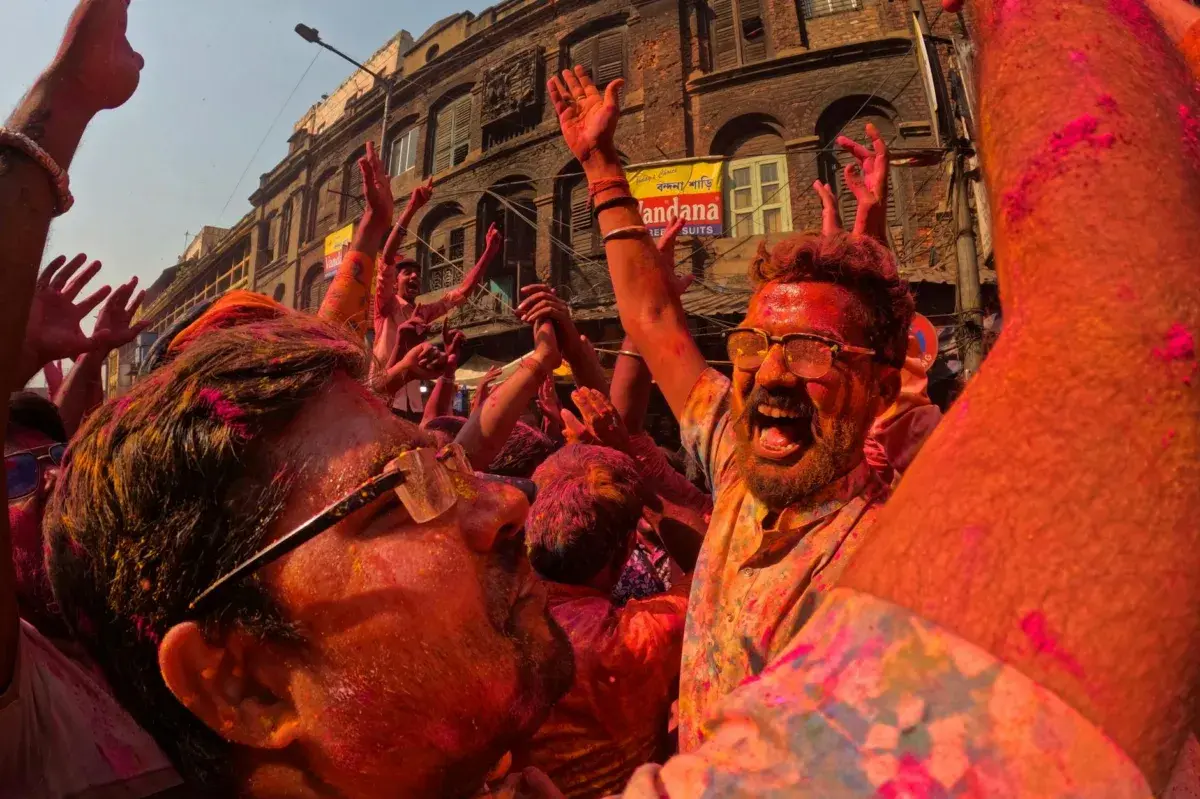
The incident in Kerala saw the unnamed British vlogger sustain an injury during her travels, prompting an immediate and overwhelming response from the local community. Rather than encountering indifference or hostility, as some online narratives might suggest, she experienced an outpouring of support. Residents actively assisted her, offering first aid, arranging transportation, and ensuring her well-being with genuine concern, transforming a potentially distressing situation into a profound testament to local compassion. This firsthand experience led her to articulate a powerful counter-narrative, stating, “I’m not seeing the India you see online,” directly confronting the pervasive disconnect between virtual portrayals and lived reality.
Her testimony highlights a critical issue in the digital age: the potential for online content to create an echo chamber of misinformation or skewed perspectives. While social media platforms offer unparalleled access to travel experiences, they often present a curated, often exaggerated, or even sensationalized version of reality. Negative incidents, though rare, can gain disproportionate visibility, overshadowing countless positive interactions. The vlogger’s account serves as a timely reminder that personal encounters can often defy preconceived notions fueled by sensational headlines or isolated incidents shared widely online. It underscores the importance of critical media literacy when consuming travel content.
This event further underscores the nuanced reality of travel, where genuine human connection often transcends cultural barriers and online generalizations. Many seasoned travelers and tourism professionals consistently advocate for immersive experiences that allow visitors to engage directly with local communities, fostering mutual understanding and actively dispelling misconceptions. Such interactions often reveal the true character of a place, far beyond what algorithms or viral videos might suggest.
Expert Perspectives and the Battle Against Misinformation
While specific empirical data on the direct impact of individual vlogger experiences on national perception might vary, travel industry analysts frequently point to the significant, albeit often disproportionate, influence of viral content—both positive and negative—on destination perception. Reports from organizations like the World Tourism Organization (UNWTO) consistently emphasize the role of digital media in shaping traveler choices and expectations. Tourism boards globally, including those in India, often grapple with managing online reputations, investing substantially in campaigns that highlight authentic cultural experiences, local hospitality, and community engagement to proactively counteract adverse narratives. The vlogger’s story, though anecdotal, strongly resonates with a broader push for responsible travel content creation that accurately reflects the true diversity, warmth, and inherent kindness found in communities worldwide.
It also aligns with the growing trend of “slow travel” and authentic engagement, where travelers actively seek to move beyond superficial tourist attractions and engage deeply with local life, often leading to more profound, positive, and nuanced perspectives that challenge broad generalizations. This individual experience serves as a powerful case study in the ongoing battle against online misinformation in the travel sphere, demonstrating the power of personal narratives to shift public perception.
Implications for Travelers and Content Creators
This incident offers invaluable lessons for both prospective travelers and content creators. For travelers, it profoundly emphasizes the importance of approaching new destinations with an open mind, seeking diverse sources of information beyond a single social media feed, and prioritizing direct, respectful engagement with local cultures over solely relying on potentially biased or exaggerated online content. It encourages a deeper, more empathetic form of exploration that values genuine human connection and cultural exchange above all else, fostering richer and more meaningful journeys.
For content creators and influencers, the British vlogger’s experience serves as a powerful call to heightened responsibility, urging them to portray destinations and communities with accuracy, respect, and nuance, recognizing the profound and far-reaching impact their narratives can have on global perceptions and local economies. Moving forward, the global travel industry, alongside individual travelers and digital storytellers, will continue to navigate the complex and evolving interplay between digital narratives and on-the-ground realities. Authentic personal stories like this one from Kerala are increasingly crucial in shaping a more informed, empathetic, and equitable understanding of the world, fostering a travel landscape where real-life experiences can triumph over online stereotypes.