



The digital platform TheNeVibes has launched a campaign titled #ChaloTravelTomorrow, an initiative designed to bolster the tourism industry in Northeast India by encouraging travelers to secure future bookings today. As of this month, the campaign aims to provide immediate financial relief to local drivers, tour guides, and homestay operators who have faced significant economic instability in the region.
Contextualizing the Economic Shift
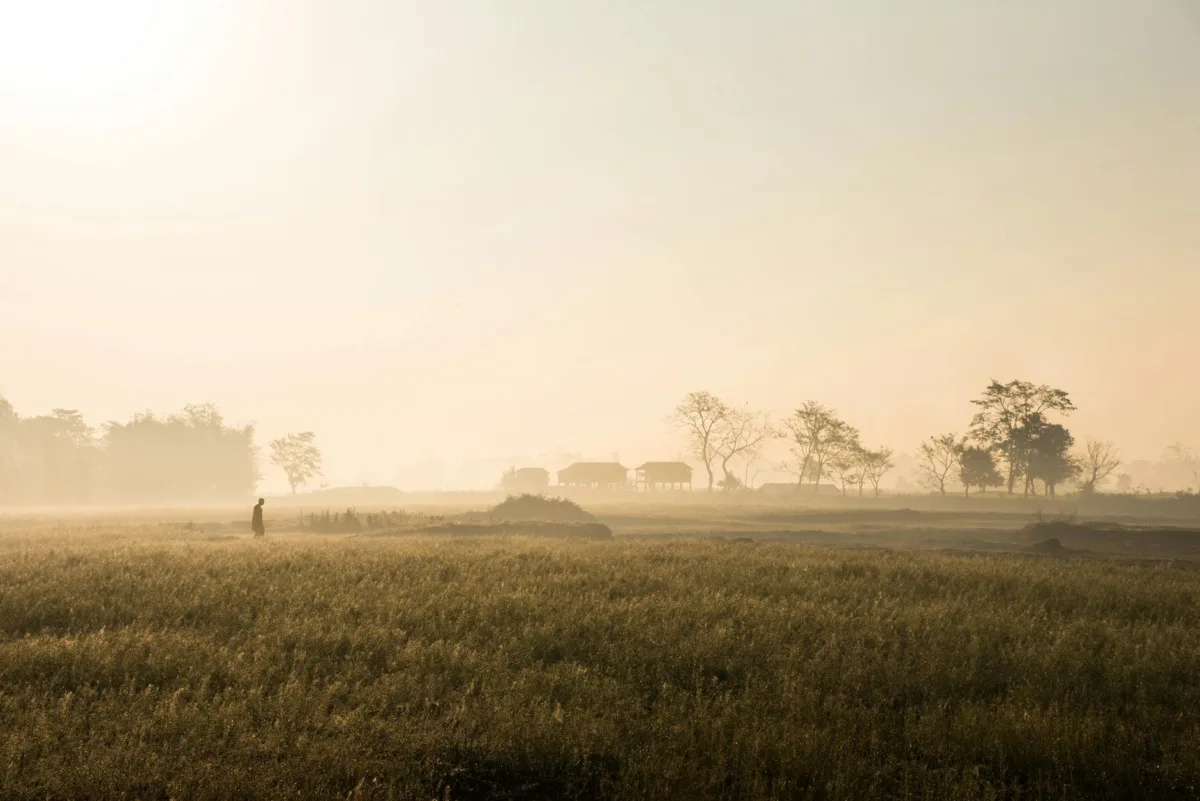
Northeast India has long relied on its pristine landscapes, unique cultural heritage, and biodiversity to attract adventure seekers and nature enthusiasts. However, the travel sector in these remote states remains particularly vulnerable to global economic shifts and seasonal tourism fluctuations.
By shifting the focus from immediate travel to future commitments, the campaign seeks to stabilize the income streams of small-scale entrepreneurs. This model provides the necessary liquidity for local operators to maintain their infrastructure during off-peak or challenging periods.
The Mechanics of Future-Proofing Travel
The #ChaloTravelTomorrow initiative functions as a bridge between prospective tourists and local service providers. Travelers can browse curated homestay experiences and guided tours, purchasing vouchers or securing bookings at current rates for future use.
This approach minimizes the risk for the service providers, who often operate on razor-thin margins. According to recent data from the Ministry of Tourism, domestic travel remains the primary driver of economic growth in the region, accounting for over 70% of the hospitality sector’s revenue in states like Meghalaya and Sikkim.
Expert Perspectives on Sustainable Tourism
Industry analysts suggest that this pre-booking model represents a growing trend in sustainable tourism. By decentralizing the booking process, local communities retain a larger portion of the revenue, bypassing traditional large-scale intermediaries.
“Direct engagement between the traveler and the local host is the cornerstone of community-based tourism,” says a regional development consultant. “Initiatives that prioritize the financial stability of the host are essential for long-term regional development.”
Broader Industry Implications
For the average traveler, this shift offers a unique opportunity to lock in lower prices while contributing to the preservation of local livelihoods. For the industry, the success of this campaign could serve as a blueprint for other tourism-dependent regions in the Global South.
Observers should watch for whether this model scales effectively across the seven sister states. If successful, the trend could lead to a permanent shift in how remote destinations manage their booking cycles, emphasizing long-term partnerships over short-term transactional relationships.