




An African student at Aligarh Muslim University (AMU) recently captivated audiences and sparked widespread online discussion when a video of his “3 Idiots”-style speech, delivered in a mix of Hindi and English, went viral across social media platforms. The impromptu address, featuring humorous promises like “AC doonga, metro start karunga” (I will provide AC, I will start a metro), garnered immense cheers from the student body and highlighted the growing cultural fusion within Indian academic institutions.
A Hub of Diversity and Cultural Resonance
Aligarh Muslim University, a historic institution founded in 1875, has long been a melting pot of diverse cultures and academic pursuits. Known for its rich heritage and inclusive environment, AMU attracts students from across India and numerous international countries, fostering a unique blend of traditions and perspectives within its campus.
The cultural backdrop for the viral speech is equally significant. Rajkumar Hirani’s 2009 blockbuster “3 Idiots” remains one of India’s most beloved films, celebrated for its humorous yet poignant critique of the education system and its memorable dialogues. The movie’s enduring popularity ensures that references to it resonate deeply with the Indian populace, making the student’s appropriation of its style particularly impactful.
This incident also underscores a broader trend: the increasing number of international students choosing India for higher education. These students often immerse themselves in local cultures, including language and popular media, creating unique cross-cultural exchanges that frequently find their way into the public sphere.
The Speech That Charmed a Nation
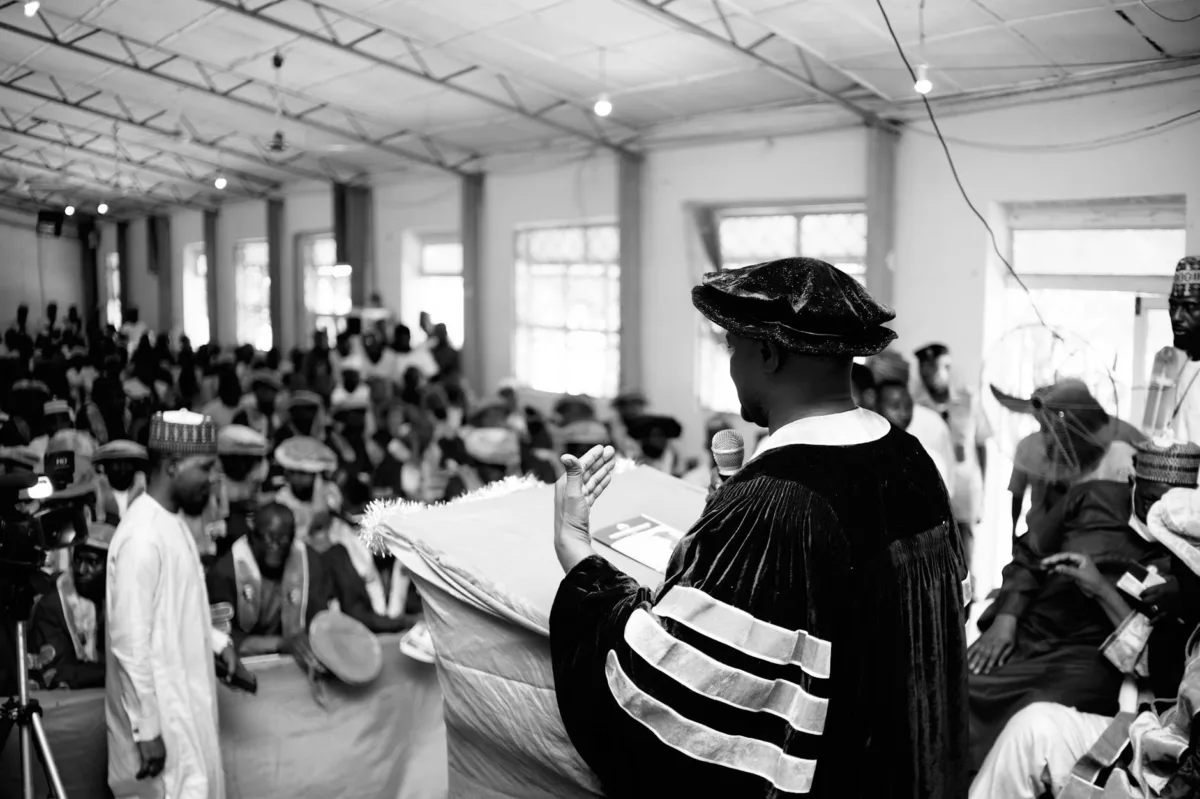
The viral clip shows the African student, whose identity was not immediately widely disclosed, confidently addressing a cheering crowd, likely during a campus event or informal gathering. His delivery was charismatic, blending fluent Hindi phrases with English, mirroring the comedic timing and aspirational tone of the “3 Idiots” protagonist, Rancho.
Key phrases like “AC doonga, metro start karunga” (I will give AC, I will start a metro) immediately struck a chord, invoking both humor and a sense of shared ambition. The audience’s enthusiastic response, marked by loud cheers and applause, underscores the speech’s immediate success in connecting with the local sensibility.
The video quickly disseminated across platforms such as X (formerly Twitter), Instagram Reels, and YouTube shorts. Its virality was fueled by several factors: the unexpected nature of an international student speaking fluent, culturally nuanced Hindi; the universally appealing humor; and the strong emotional connection Indians have with the “3 Idiots” film.
This incident transcends mere entertainment, offering a glimpse into the dynamic process of cultural assimilation and exchange. The student’s ability to not only understand but also creatively adapt Indian pop culture demonstrates a deep level of engagement and respect for his host country’s traditions.
Expert Perspectives on Cultural Fusion
“This viral moment is a powerful testament to the soft power of popular culture,” states Dr. Anya Sharma, Professor of Cultural Studies at Delhi University. “When an international student not only learns a local language but also masters its cultural nuances and comedic timing, it bridges gaps in ways formal diplomacy often cannot. It creates an instant connection and a shared sense of humor that is incredibly valuable for cross-cultural understanding.”
The incident also highlights the linguistic adaptability of international students. “Learning a new language is one thing, but adopting its specific idioms and pop culture references requires deep immersion,” explains Dr. Rohan Kapoor, Head of the Department of Linguistics at Jawaharlal Nehru University. “The student’s use of phrases from ‘3 Idiots’ indicates a profound engagement with Hindi cinema, which serves as a significant cultural conduit in India.”
Data from the Ministry of External Affairs reinforces the growing presence of international students. According to recent reports, India hosted over 25,000 students from various African nations in the 2022-23 academic year, marking a steady increase over the past decade. These student communities often become informal ambassadors, facilitating deeper connections between their home countries and India.
Implications: A New Era of Cross-Cultural Engagement
The viral AMU speech signifies more than just a fleeting internet sensation; it points towards a burgeoning era of cross-cultural engagement facilitated by academic exchange and digital platforms. Such moments serve as powerful illustrations of how international students are not just recipients of education but active contributors to India’s diverse cultural fabric.
For Indian universities, this incident can be a powerful recruitment tool, showcasing an inclusive and welcoming environment where international students can thrive and even become cultural icons. It reinforces the image of India as a global educational hub that offers both academic rigor and a rich cultural experience.
Looking ahead, we can anticipate more such instances of cultural fusion emerging from India’s campuses. Social media will continue to play a crucial role in amplifying these organic moments, turning local interactions into global conversations. This trend suggests a future where cultural understanding is increasingly fostered through shared pop culture references and genuine human connection, transcending geographical and linguistic barriers.
The success of this speech also underscores the potential for deeper India-Africa ties, built not just on economic or political grounds, but on shared cultural experiences and mutual appreciation. Future interactions may see more intentional efforts to integrate international student voices into campus life and public discourse, further enriching the multicultural tapestry of India.