




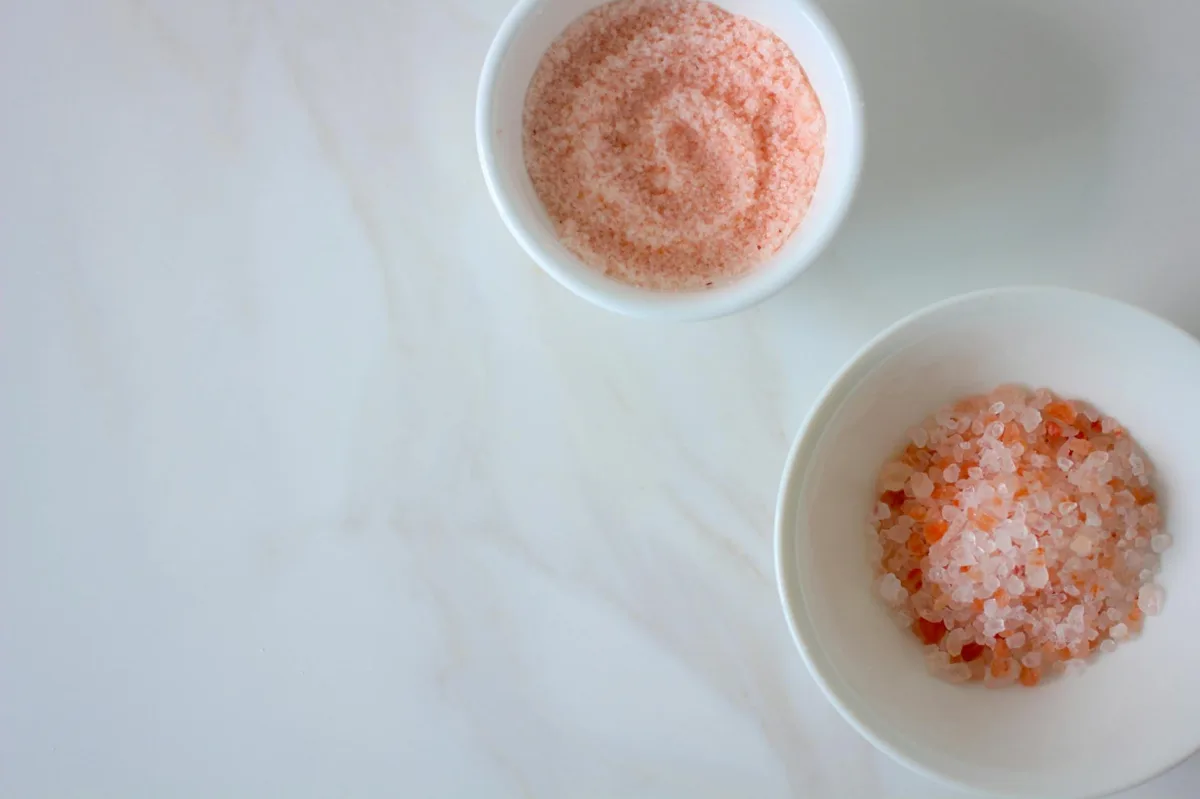
In recent years, Himalayan pink salt has surged in popularity across global markets, marketed as a superior, mineral-rich alternative to traditional table salt. However, nutrition experts, including nutritionist Dajmeet, are now cautioning consumers against replacing common white salt with its pink counterpart, citing a lack of significant health advantages.
The Marketing Myth of Mineral Content
Himalayan pink salt is harvested from the Khewra Salt Mine in Pakistan and derives its distinctive hue from trace amounts of iron oxide. While proponents often claim that these minerals provide a nutritional boost, the concentration of these elements is far too low to impact human health in standard dietary portions.
Standard table salt is typically fortified with iodine, an essential nutrient that helps prevent thyroid disorders and developmental delays. In contrast, most pink salts found in retail settings lack this fortification, meaning a wholesale switch could potentially lead to iodine deficiencies in populations relying on salt as their primary source of this mineral.
Understanding Nutritional Equivalence
From a chemical perspective, pink salt is primarily composed of sodium chloride, just like white table salt. The minor variations in trace minerals—such as potassium, magnesium, and calcium—are negligible when consumed in the small quantities recommended by health organizations like the World Health Organization.
“People often believe that because it is ‘natural’ or ‘unprocessed,’ it must be healthier,” says Dajmeet. “However, the sodium content remains virtually identical, and the health risks associated with excessive sodium intake—such as high blood pressure and cardiovascular disease—are the same regardless of the salt’s color or origin.”
Public Health Implications
The global shift toward gourmet and artisanal salts has complicated public health messaging regarding sodium reduction. While consumers may feel they are making a healthier choice by opting for pink salt, the perception of a “health halo” can lead to overconsumption.
Data from the American Heart Association indicates that the average adult consumes significantly more sodium than the recommended daily limit of 2,300 milligrams. Whether the source is pink, sea, or table salt, the physiological impact on the kidneys and arterial system remains constant.
Future Considerations for Consumers
As the market for specialty salts continues to grow, health advocates are calling for clearer labeling and more rigorous public education. Consumers should prioritize reducing their overall salt intake rather than focusing on the source of the sodium.
Looking ahead, the industry may face increased regulatory scrutiny regarding health claims made on packaging. Observers should watch for updated dietary guidelines that explicitly address the trend of substituting processed table salt with artisanal varieties, as public health officials aim to curb the rising rates of hypertension globally.