


Tourism boards across Northeast India are preparing for a surge in visitors this winter, as the region readies an extensive lineup of cultural festivals scheduled between December and February. These events, which define the socio-cultural landscape of states like Nagaland, Assam, and Meghalaya, serve as a primary draw for domestic and international travelers seeking immersive experiences in traditional music, dance, and indigenous gastronomy.
The Cultural Significance of Northeast Winter Gatherings
The winter season in Northeast India is synonymous with the harvest and the celebration of ancestral heritage. Historically, these festivals served as community anchors, bringing together various tribes and clans to offer gratitude for the year’s yield and to preserve oral histories through performance art.
In recent years, the transformation of these local traditions into structured festivals has turned the region into a global tourist destination. By blending indigenous customs with contemporary tourism infrastructure, the states have successfully leveraged their cultural capital to drive economic growth in remote areas.
Key Festivals Defining the Seasonal Calendar
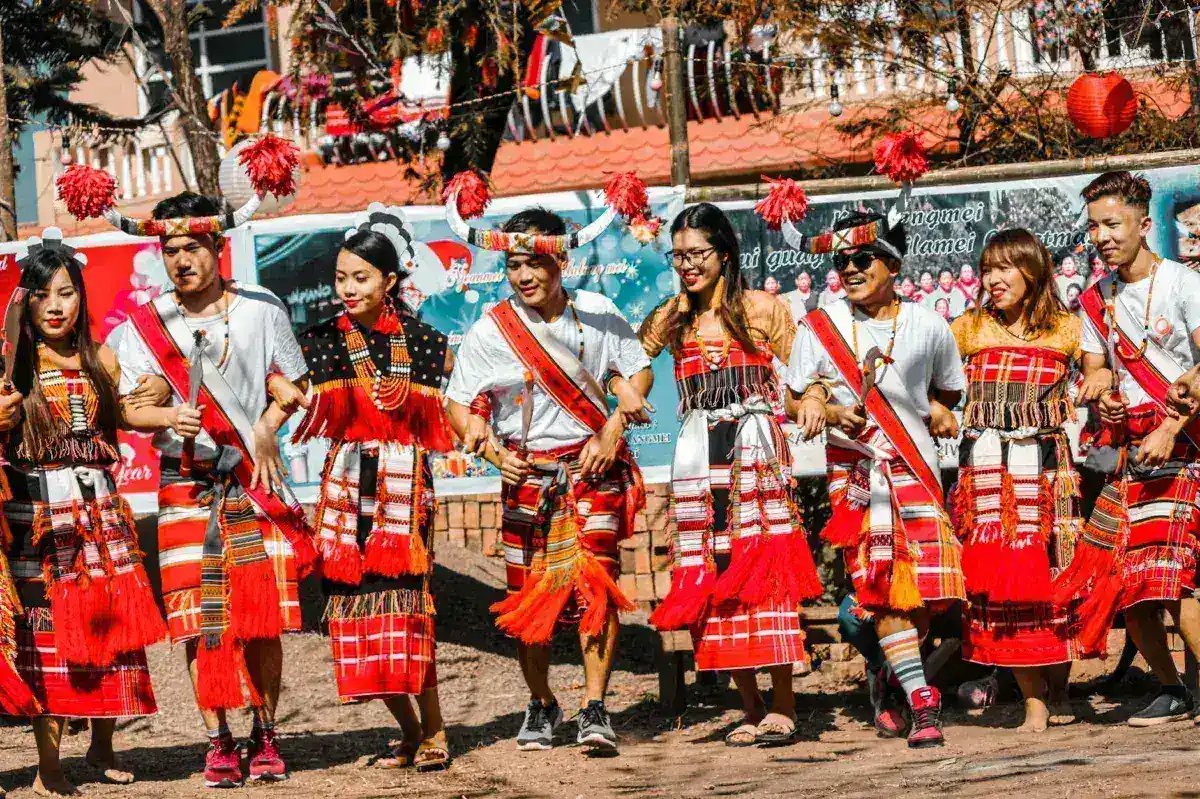
The Hornbill Festival in Nagaland, often referred to as the ‘Festival of Festivals,’ remains the centerpiece of the winter tourism calendar. Held in early December, it acts as a platform where the state’s diverse tribes showcase their martial arts, traditional dances, and intricate handicrafts to a global audience.
Beyond Nagaland, other states offer distinct cultural experiences that highlight the regional diversity. In Assam, the Magh Bihu festival in mid-January focuses on community feasts and traditional sports, while Meghalaya’s winter events frequently emphasize the state’s unique musical heritage and environmental stewardship.
Economic and Social Impact
Data from the Ministry of Tourism indicates that cultural tourism contributes significantly to the GDP of the Northeastern states. During the peak festival months, local homestays and regional transport services report occupancy rates exceeding 85%, providing a vital income stream for rural communities.
Dr. Anjali Verma, a researcher in regional sociology, notes that these festivals provide more than just economic benefits. ‘These gatherings act as a vital mechanism for cultural preservation, encouraging younger generations to engage with their linguistic and artistic roots,’ she stated.
Future Outlook and Sustainability
As the region braces for the influx of winter travelers, authorities are increasingly focused on the sustainability of these events. There is a growing emphasis on waste management and the promotion of eco-friendly tourism practices to ensure that the increased footfall does not degrade the pristine natural landscapes of the Himalayas and the surrounding valleys.
Looking ahead, industry experts suggest that the trend toward ‘experiential travel’ will likely drive further growth for the region. Stakeholders are now watching for shifts in government policy regarding infrastructure development, specifically the expansion of regional airports and road connectivity, which will determine the scale of festival attendance in the coming years.