




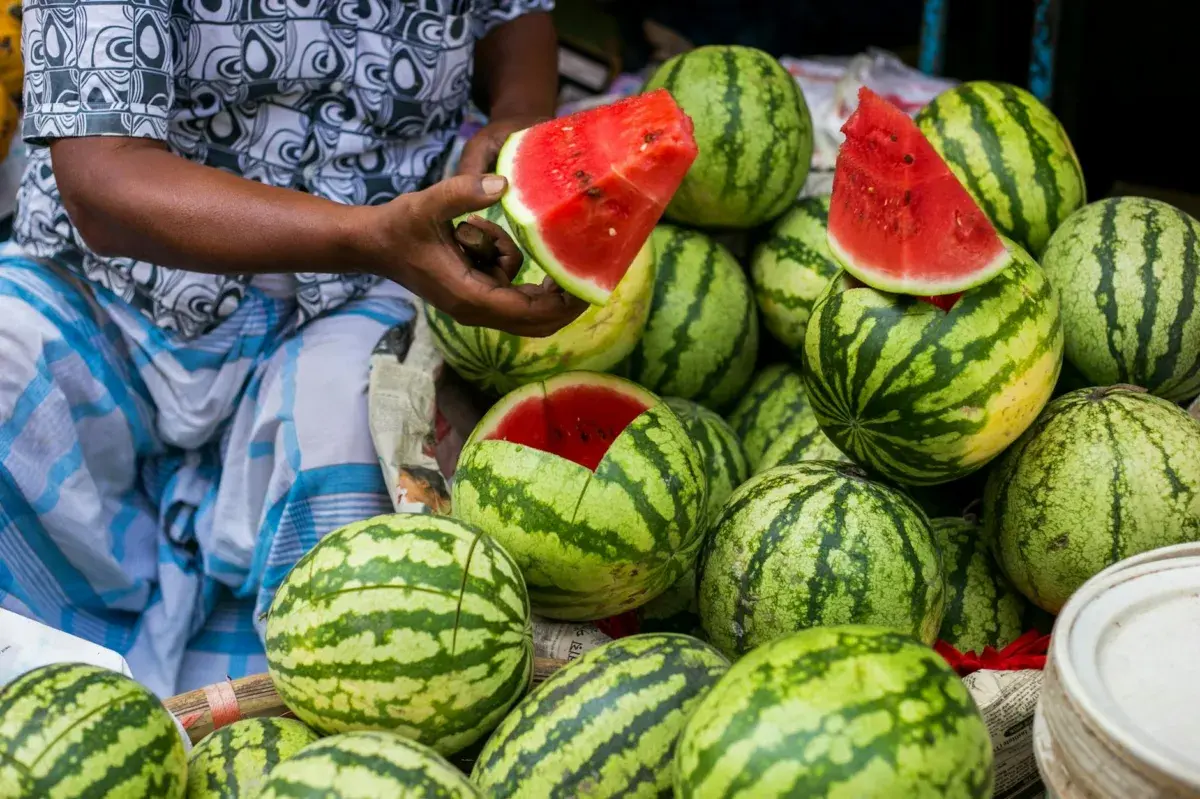
In response to suspected illnesses linked to watermelon consumption, India’s Food Safety and Standards Authority of India (FSSAI) has directed all states and union territories to intensify fruit safety checks. This nationwide crackdown, initiated this week, aims to bolster inspections, increase sampling, and prevent the use of harmful chemicals in summer fruits, particularly watermelons, to safeguard public health.
Context: A Summer Fruit Under Scrutiny
Watermelon, a beloved summer staple in India, has recently come under intense scrutiny following reports of potential health issues. While specific details of the illnesses remain under investigation, the FSSAI’s swift action indicates a serious concern about contamination or adulteration. The timing of this directive, as the peak summer season approaches, underscores the urgency to ensure the safety of fruits that are widely consumed across the country.
Concerns often arise around the improper use of chemicals during fruit cultivation and storage. These can include artificial ripening agents, pesticides, and preservatives that, when used excessively or without regulation, pose significant health risks. The FSSAI, as the apex food regulator, plays a critical role in setting standards and enforcing food safety laws to protect consumers from such hazards.
FSSAI Directs States to Ramp Up Surveillance
The FSSAI has issued a formal directive to all state food safety commissioners, urging them to enhance surveillance measures for fruits, with a specific focus on watermelons. The authority has emphasized the need for increased sampling and testing of fruits from mandis, wholesale markets, and retail outlets to detect any adulteration or contamination.
States have been asked to mobilize their enforcement machinery to conduct rigorous inspections of fruit vendors, storage facilities, and transportation chains. The objective is to identify and penalize any malpractices that could compromise the safety of the produce reaching consumers. This includes checking for the presence of unauthorized pesticides, heavy metals, and prohibited artificial ripening agents.
Furthermore, the FSSAI has stressed the importance of creating awareness among farmers and traders about safe agricultural practices and the detrimental effects of using harmful chemicals. The authority believes that a multi-pronged approach, involving strict enforcement and education, is crucial to addressing the issue effectively.
Focus on Harmful Chemicals and Artificial Ripening
A primary concern driving this crackdown is the suspected use of harmful chemicals, particularly for artificial ripening and enhancing the appearance of fruits. Calcium carbide, a commonly used but banned substance for ripening fruits, can release arsenic and phosphorus, leading to serious health problems including neurological disorders, digestive issues, and even cancer.
The FSSAI’s directive specifically calls for vigilance against such practices. States are expected to conduct random checks to ensure that fruits are ripened naturally and not through chemical means. This involves inspecting storage facilities where fruits are kept and checking the practices adopted by traders to accelerate the ripening process.
Beyond artificial ripening, the directive also covers the monitoring of pesticide residues. While pesticides are essential in agriculture, excessive or improper use can leave harmful residues on fruits. The FSSAI has set Maximum Residue Limits (MRLs) for various pesticides, and states are tasked with ensuring that fruit samples comply with these standards.
Increased Sampling and Testing Protocols
To support the intensified surveillance, states have been directed to significantly increase the frequency and number of fruit samples collected for testing. These samples will be sent to accredited food testing laboratories for comprehensive analysis.
The testing protocols will include checks for chemical contaminants, pesticide residues, heavy metals, and microbial contamination. The aim is to build a robust data set on the safety profile of fruits in the market, enabling targeted interventions where necessary.
The FSSAI has also advised states to collaborate with agricultural universities and research institutions to enhance their testing capabilities and stay updated on emerging threats related to food adulteration.
Industry and Consumer Reactions
The FSSAI’s proactive stance has been welcomed by consumer rights groups and public health advocates. They have long been calling for stricter regulations and enforcement to curb food adulteration, especially concerning fruits and vegetables that form a significant part of the Indian diet.
However, the crackdown also raises concerns among fruit vendors and farmers who might face increased scrutiny and potential harassment. Industry bodies have called for clear guidelines and fair enforcement practices to avoid undue burden on legitimate businesses. They also emphasize the need for education and support for farmers to adopt safer and more sustainable agricultural practices.
Consumers, while reassured by the regulatory action, are also advised to exercise caution. They can look for signs of artificial ripening, such as uneven coloring or a lack of natural aroma, and wash fruits thoroughly before consumption. Choosing fruits from reputable vendors and seeking out organic options can also mitigate risks.
Expert Perspectives on Food Safety
Dr. K.V. Rao, a food safety expert, commented, “The FSSAI’s directive is a timely intervention. The unregulated use of chemicals in fruits can have long-term health consequences. Enhanced surveillance and stringent testing are paramount to ensure that the food we consume is safe.”
According to a report by the National Crime Records Bureau (NCRB) on Food Adulteration Cases, there has been a persistent issue with adulteration in food products across India. While specific data for fruit adulteration is not always segregated, the overall trend highlights the need for continuous regulatory oversight. The FSSAI’s current action aligns with the government’s broader agenda to improve food safety standards nationwide.
Another food technologist, Priya Sharma, added, “Educating the entire supply chain, from the farm to the consumer, is as important as enforcement. Farmers need to be aware of the risks associated with chemical usage, and consumers need to be informed about safe consumption practices.”
Implications for Consumers and the Market
For consumers, this heightened regulatory activity means a potentially safer supply of fruits in the coming months. The increased checks are expected to deter unscrupulous practices and ensure that fruits available in the market adhere to safety standards.
However, consumers might also experience temporary price fluctuations or reduced availability of certain fruits if the crackdown leads to the seizure of adulterated stock or if vendors adopt more cautious (and potentially slower) sourcing methods. It is crucial for consumers to remain vigilant and report any suspicious produce to the authorities.
For the fruit industry, the implications are significant. This crackdown serves as a strong signal that compliance with food safety regulations will be strictly enforced. Businesses involved in the fruit trade, from growers to retailers, must ensure their practices align with FSSAI guidelines. This could lead to increased investments in quality control and traceability systems.
What to Watch Next
The effectiveness of this crackdown will depend on the diligent implementation by state authorities. It will be important to monitor the number of samples tested, the detection rates of adulteration, and the enforcement actions taken against offenders. Consumer feedback and the response from the industry will also provide key indicators of the initiative’s success.
Further actions could include public awareness campaigns to educate consumers about identifying safe fruits and reporting malpractices. The FSSAI may also revisit and strengthen existing regulations based on the findings from this intensified surveillance. The long-term goal is to foster a culture of food safety and integrity across the entire fruit supply chain in India.