



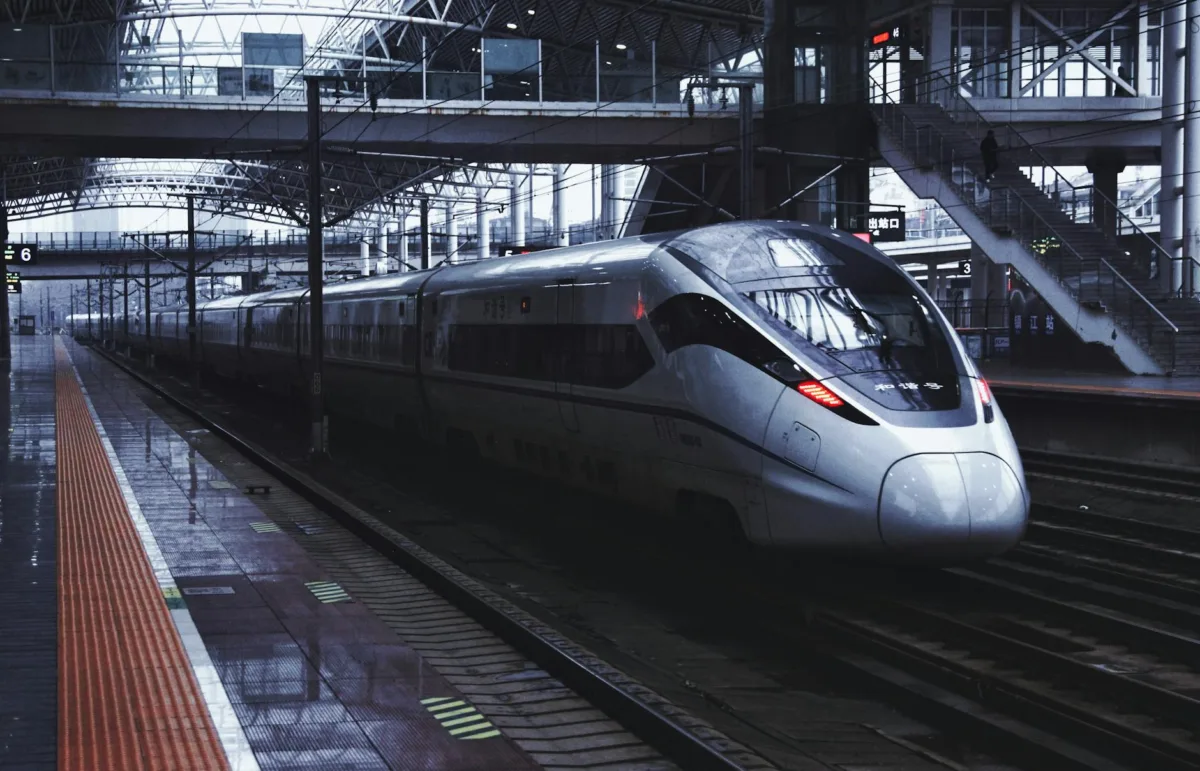
Indian Railways officially reached a historic infrastructure milestone this week by rolling out the 100th Vande Bharat train from the Modern Coach Factory in Raebareli. This achievement signals a rapid acceleration in the national fleet modernization program, which seeks to replace aging rolling stock with high-speed, indigenous technology across the country’s vast rail network.
A Rapid Expansion of Rail Infrastructure
The Vande Bharat project debuted in 2018 with the launch of the first two semi-high-speed trainsets, setting a new benchmark for passenger comfort and operational efficiency in India. Since that inaugural launch, the program has evolved from a pilot initiative into the cornerstone of the government’s ‘Make in India’ manufacturing strategy.
The newly minted 16-coach trainset is currently slated for rigorous safety and performance trials. These tests ensure the electrical systems, braking mechanisms, and structural integrity meet the exacting standards required for high-speed operation on diverse track conditions.
Engineering Advancements and Safety Upgrades
Each iteration of the Vande Bharat train has incorporated incremental improvements based on real-world data gathered from previous models. Engineers have focused on enhanced braking systems, improved aerodynamic profiles to reduce energy consumption, and more robust passenger information systems.
Safety remains a primary driver for these updates. Modern safety features, including collision avoidance systems and reinforced coach designs, reflect a shift toward prioritizing passenger security alongside speed. The Raebareli facility has played a critical role in this, utilizing automation and precision manufacturing to meet the increasing demand for rapid production.
Economic and Industrial Impact
Industry analysts point to the 100-train milestone as a significant boost for the domestic manufacturing sector. By localizing the production of complex components, Indian Railways has reduced dependence on international supply chains and lowered the per-unit cost over time.
According to recent government data, the average travel time between major metropolitan hubs has decreased significantly with the introduction of these trainsets. This increased connectivity serves as a catalyst for local economic development, allowing for faster transit of both commuters and goods across key corridors.
Future Trajectory and Passenger Expectations
For the average passenger, the rollout translates to a more reliable travel experience. The inclusion of modern amenities, such as automatic doors, onboard Wi-Fi, and ergonomic seating, has helped the Vande Bharat series maintain high occupancy rates despite higher fare structures compared to traditional mail or express trains.
Looking ahead, the focus will likely shift toward the introduction of the Vande Bharat Sleeper variants, designed for long-distance overnight travel. Observers should monitor upcoming tenders for further production capacity, as the Ministry of Railways aims to expand the network to include tier-two and tier-three cities, effectively decentralizing the high-speed rail footprint across the nation.