








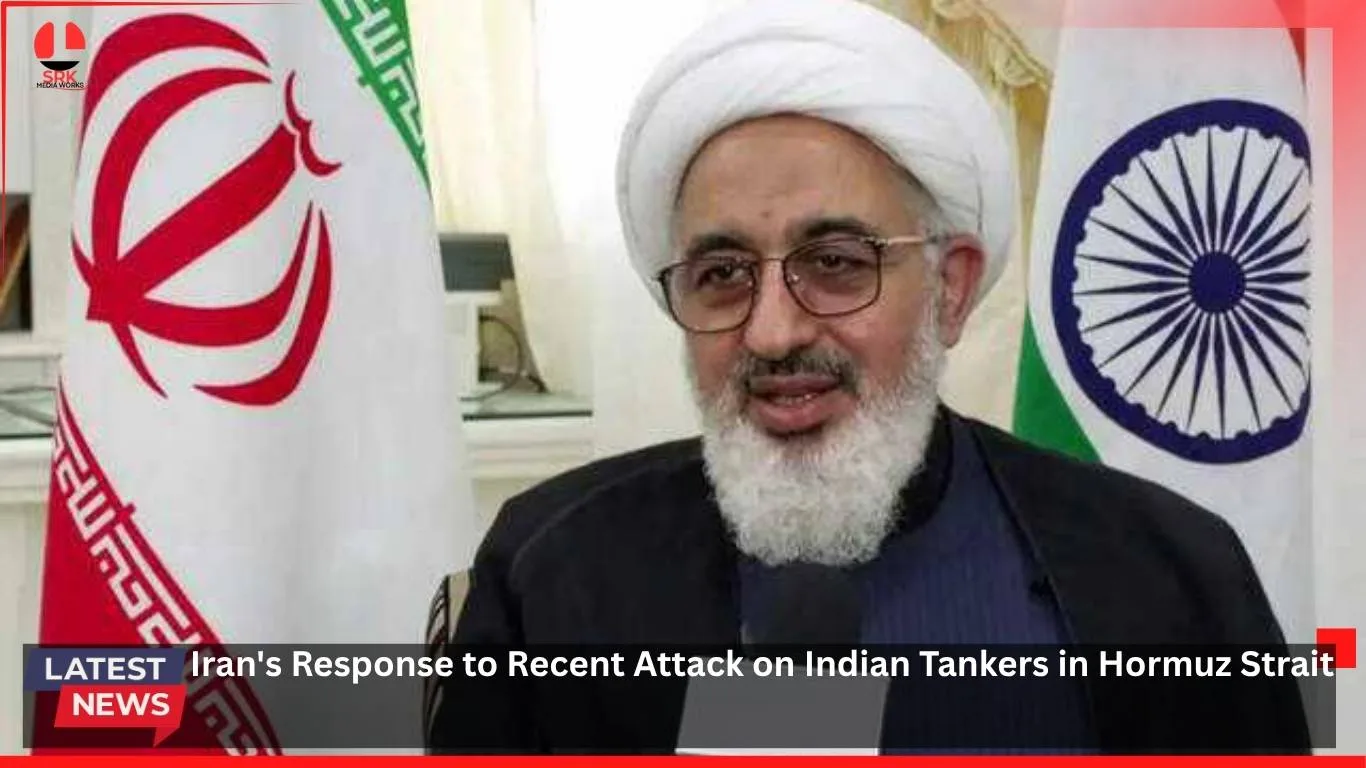
Iran has issued a cautious response following reports that its naval forces fired upon two Indian oil tankers in the Strait of Hormuz. While New Delhi lodged a strong protest and warned of consequences, Tehran emphasized that ties with India remain strong and sought to downplay the incident. The episode has reignited global concerns about maritime safety in one of the world’s busiest energy corridors, where nearly 20% of global oil shipments pass through daily.
Incident Overview
- Date of Incident: Mid-April 2026
- Location: Strait of Hormuz, near Qeshm Island
- Ships Involved: Jag Arnav and Sanmar Herald, both Indian-flagged crude oil tankers
- Nature of Attack: Gunfire from Iranian Revolutionary Guard Corps (IRGC) patrol boats despite clearance being given
- Damage Reported: Minor — shattered cabin glass, no casualties
India’s Response
India reacted sharply to the incident, summoning the Iranian envoy in New Delhi and demanding assurances for the safety of its vessels.
- Formal Protest: India conveyed its displeasure through diplomatic channels.
- Warning Issued: Officials stated that such actions would have “consequences.”
- Energy Security Concerns: India stressed the importance of uninterrupted crude oil supply.
Iran’s Position
Iranian officials attempted to soften the fallout, stressing that bilateral relations with India remain strong despite the incident.
- Diplomatic Statement: Iran’s envoy highlighted the importance of India-Iran ties.
- Contextual Justification: Tehran claimed increased vigilance in Hormuz was necessary for regional security.
- Strategic Messaging: Iran sought to frame the incident as part of its broader assertion of sovereignty over the strait.
Maritime Impact
The Strait of Hormuz is a critical chokepoint for global energy flows. Any disruption here can have immediate consequences for oil prices and shipping safety.
| Factor | Impact on India | Impact on Global Markets |
|---|---|---|
| Energy Security | Threat to crude imports | Risk of price volatility |
| Shipping Safety | Crew safety concerns | Insurance premiums rise |
| Diplomatic Relations | Strained with Iran | Heightened geopolitical tension |
Analytical Pivot
| Dimension | India’s Perspective | Iran’s Perspective |
|---|---|---|
| Security | Protect maritime traffic | Assert control over Hormuz |
| Diplomacy | Strong protest, demand assurances | Downplay incident, stress ties |
| Economy | Safeguard crude imports | Use leverage in regional disputes |
| Future Outlook | Seek international support | Resist external pressure |
Strategic Implications
- For India: Ensuring uninterrupted crude supply is critical; may explore alternative suppliers or routes.
- For Iran: Balances assertion of sovereignty with risk of alienating a key partner.
- For Global Powers: U.S. and Gulf states monitor closely, wary of escalation.
- For Shipping Industry: Rising risks may force rerouting or higher costs.
Reactions
- Indian Officials: Expressed strong displeasure and demanded accountability.
- Iranian Diplomats: Emphasized that ties remain strong despite the incident.
- Global Analysts: Warned that the attack could destabilize energy markets.
- Public Sentiment: Concerns over crew safety and rising oil prices.
Broader Context
The Strait of Hormuz has long been a flashpoint in global geopolitics. Iran’s control of the strait gives it leverage in regional disputes, but incidents like the attack on Indian tankers highlight the risks of miscalculation. India, as a major importer of crude oil, is particularly vulnerable to disruptions in this corridor.
Challenges Ahead
- Diplomatic Deadlock: India demands assurances, while Iran seeks to maintain sovereignty.
- Economic Strain: Rising oil prices could impact India’s economy.
- Regional Tensions: Proxy conflicts and maritime disputes may intensify.
- Global Security Risks: Potential for escalation remains high.
Future Outlook
The future of India-Iran relations will depend on how both sides manage the fallout. India may seek international support to ensure maritime safety, while Iran will likely continue asserting control over Hormuz. The incident underscores the fragile balance in West Asia, where energy security and geopolitical rivalry intersect.
Conclusion
Iran’s response to the attack on Indian tankers in the Strait of Hormuz reflects a delicate balancing act: asserting sovereignty while trying to preserve ties with India. For New Delhi, the incident is a reminder of vulnerabilities in energy security and the need for robust diplomatic and maritime strategies. The Strait of Hormuz remains a volatile chokepoint where any misstep can ripple across global markets.
Disclaimer
This article is based on publicly available reports and official statements. It does not represent government positions. The content is intended for informational purposes only, highlighting geopolitical developments and their implications. Readers are encouraged to consult multiple sources for a comprehensive understanding of the subject matter.